Introduction: Why EVA and PU Are the Two Core Midsole Materials
In footwear and orthotic insole manufacturing, EVA (Ethylene Vinyl Acetate) and PU (Polyurethane) are two of the most commonly used foam materials. You will find them in everything from athletic shoe midsoles to orthotic insoles and work footwear.
For B2B buyers, choosing between EVA and PU is rarely a simple material decision. It affects how the product feels, how long it lasts, and where it sits in the market in terms of price and positioning.
In practice, the right choice depends on how the material behaves in real use—not just what it looks like on a specification sheet.
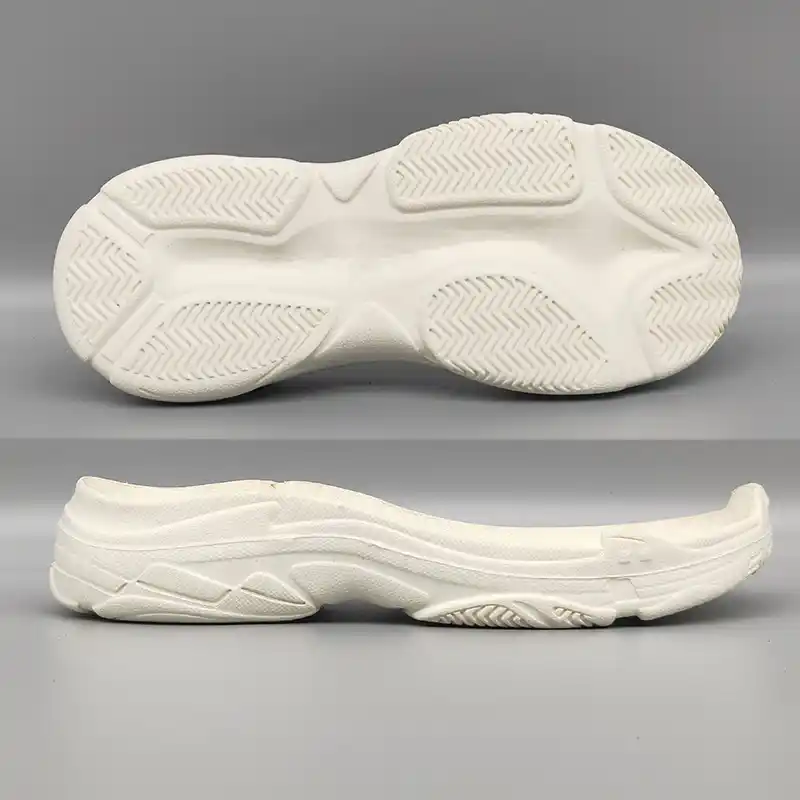
What Is EVA Midsole? Structure and Practical Performance
Material Overview
EVA is a lightweight foam material with a closed-cell structure. It is widely used in midsoles and cushioning layers because it is easy to process and cost-efficient.
How EVA Performs in Real Applications
- Lightweight, suitable for reducing overall shoe weight
- Soft initial cushioning and comfortable first step feel
- Easy to mold, ideal for high-volume OEM production
- Cost-effective for mass-market product lines
Where EVA Shows Limitations
- Cushioning performance decreases with long-term use
- Compression set can lead to shape loss over time
- Limited structural support for corrective or medical applications
Typical Use Cases
- Daily comfort insoles
- Entry-level sports footwear
- Cost-sensitive OEM programs
What Is PU Midsole? Structure and Performance Behavior
Material Overview
PU (Polyurethane) is a high-performance foam material that offers stronger resilience and structural stability compared to EVA. It is widely used in premium footwear and orthotic products.
How PU Performs in Real Applications
- More stable cushioning over long-term use
- Better energy return and rebound consistency
- Higher resistance to compression fatigue
- Suitable for continuous walking or standing environments
Trade-Offs of PU
- Higher material and production cost
- More complex manufacturing process
- Slightly heavier depending on formulation
Typical Use Cases
- Medical-grade orthotic insoles
- High-end athletic footwear
- Industrial and safety footwear
EVA vs PU: Performance Comparison in Real Use
Cushioning Experience
EVA feels softer at first step, which is why it is widely used in comfort-focused products. However, its cushioning tends to weaken over time. PU feels more controlled and remains stable even after extended use.
Durability
EVA performs well in short- to medium-term use. PU is more resistant to long-term compression and maintains structure under repeated stress.
Weight
EVA is generally lighter and helps reduce overall shoe weight. PU is slightly denser but offers better structural consistency.
Cost
EVA is more cost-friendly and suitable for large-scale production. PU costs more but delivers higher performance value, especially in premium or medical segments.
Support Characteristics
EVA mainly provides cushioning. PU, depending on formulation, can also contribute to structural support, making it more suitable for orthotic applications.
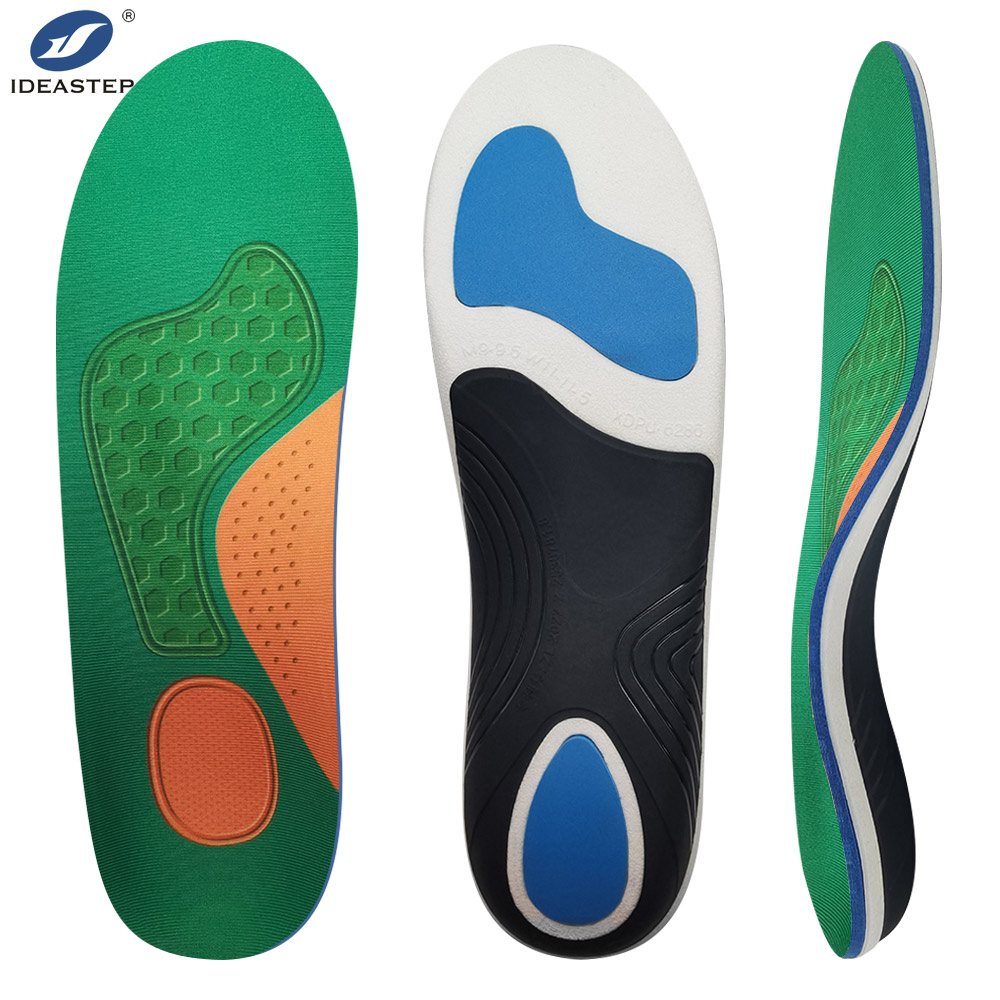
How EVA and PU Are Used in Orthotic Insoles
EVA in Insole Design
In orthotic insoles, EVA is usually used as a cushioning or base material. It helps keep production costs under control while providing basic comfort for everyday wear.
PU in Insole Design
PU is more commonly used in higher-performance orthotic systems. It supports long-term stability and helps maintain consistent biomechanical correction during use.
How B2B Buyers Should Choose Between EVA and PU
When EVA Is the Better Choice
- Cost-driven product development
- High-volume OEM orders
- Basic comfort-focused footwear lines
When PU Makes More Sense
- Premium or medical product positioning
- Long-duration wear scenarios
- Products requiring higher stability and support
Hybrid Approach: Combining EVA and PU
In many modern designs, EVA and PU are used together in a layered structure. EVA provides lightweight cushioning, while PU improves durability and structural stability.
This combination is now widely used in OEM orthotic insoles because it balances performance and cost more effectively than a single-material approach.
Industry Trend: Why Hybrid Midsole Systems Are Becoming Standard
In real production, relying on a single material is becoming less common. Market demand now requires more balanced performance across comfort, durability, and cost.
As a result, layered systems combining EVA and PU are increasingly the standard approach.
- EVA focuses on lightweight comfort and cost control
- PU provides long-term stability and durability
This functional separation allows manufacturers to fine-tune performance without significantly increasing production complexity.
Key Factors in OEM/ODM Customization
- Material density and hardness control
- Compression set resistance over time
- Energy return and rebound performance
- Structural layering design
- Application-specific tuning (sports, medical, work footwear)
In modern orthotic and footwear development, performance depends more on system design than on a single material choice.
Conclusion: The Right Choice Depends on the Application
EVA and PU are not competing materials in a strict sense. They simply serve different roles in footwear and orthotic design.
EVA is better suited for lightweight and cost-sensitive products. PU is more suitable for long-term performance, medical use, and premium applications.
In most professional OEM projects, the most effective solution is not choosing one over the other, but combining them into a well-designed structure that matches the target market.
Ultimately, the right material system is the one that fits the application—not the one that looks best on paper.
Related product links: https://www.aideastep.com/product/xd-6286-multi-layer-comfort-insoles-putpuporonevafabric/.