Introduction
In orthotic insole manufacturing, performance does not come from a single material. It comes from how different functional layers are engineered and combined into one system.
For B2B buyers—whether you are a footwear brand, orthopedic clinic, distributor, or safety footwear supplier—understanding insole structure is essential. It directly affects comfort, durability, and how well the product performs in real use.
Most professional orthotic insoles today are built with a multi-layer structure. Each layer has a clear function: cushioning, support, pressure distribution, or moisture control. When designed correctly, these layers work together as a complete biomechanical system.
What Is a Multi-Layer Orthotic Insole?
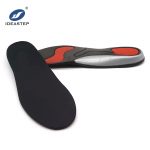
A multi-layer orthotic insole is a structured product made of different material layers, each designed for a specific function.
Compared with single-layer EVA insoles, multi-layer designs offer more control over performance. They are widely used in medical orthotics, sports footwear, diabetic footwear, and industrial work shoes.
- Better impact absorption
- More stable arch support
- Improved pressure distribution
- Longer service life
- Application-specific performance tuning
Typical Structure of a Professional Orthotic Insole
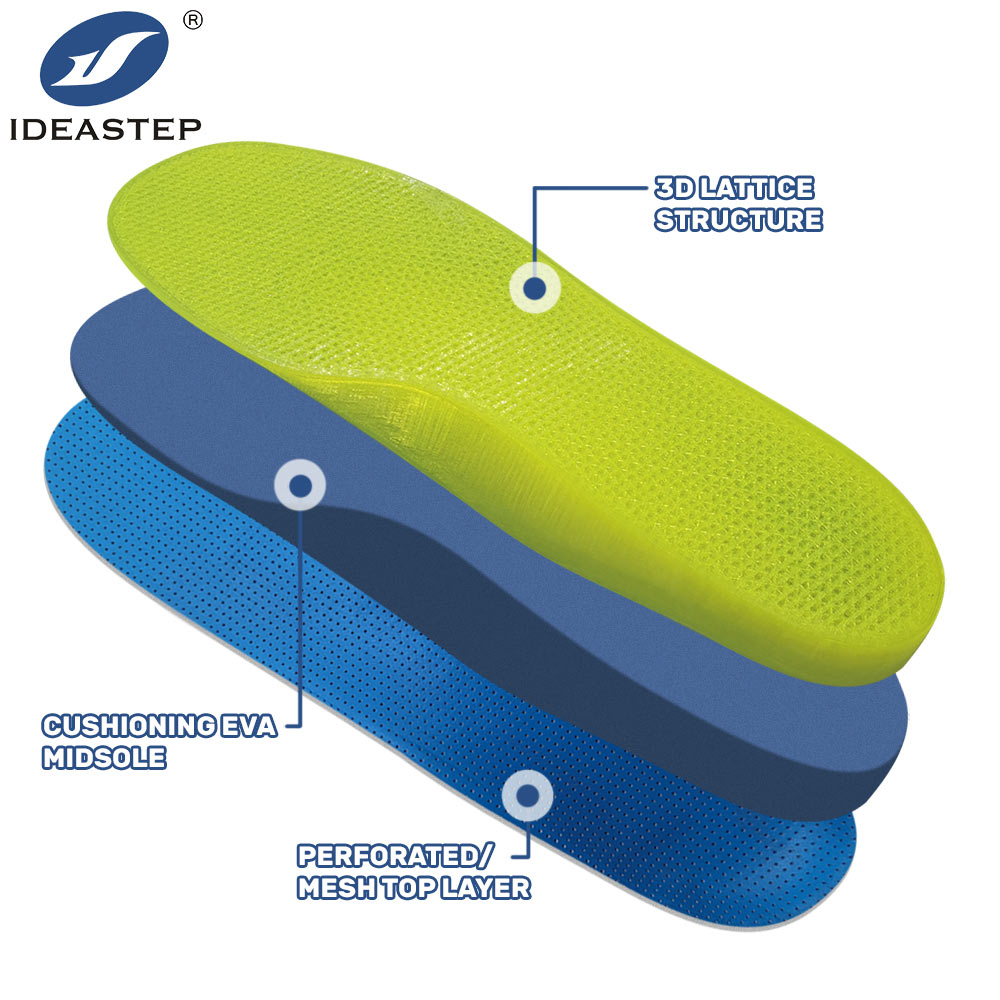
A professional orthotic insole usually consists of four functional layers.
Top Cover Layer – Comfort and Moisture Control
This is the layer in direct contact with the foot. It does not provide structural support, but it has a strong impact on comfort and hygiene.
Common materials include microfiber, velvet, mesh, or functional textiles.
Main functions:
- Skin-friendly surface for long wear
- Moisture absorption and quick drying
- Breathability and odor control
- Surface durability
In medical products, softer and antimicrobial fabrics are often preferred. In sports models, breathability usually takes priority.
Cushioning Layer – Impact Absorption
This layer absorbs ground impact during walking or running.
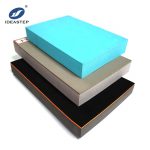
Common materials include EVA, PU foam, PORON, and latex foam.
Each material behaves differently:
- EVA: lightweight and cost-efficient, widely used in OEM production
- PU foam: higher resilience and better long-term rebound
- PORON: high-end shock absorption for medical or premium applications
Density and hardness matter more than material alone. Even small adjustments can significantly change the walking feel and fatigue level.
Support Layer – Arch Stability and Motion Control
This is the core functional layer of an orthotic insole. It controls foot alignment and supports biomechanical correction.
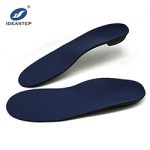
Typical materials include TPU shells, nylon plates, polypropylene, and carbon fiber.
Support levels:
- Rigid: strong correction, medical use
- Semi-rigid: balance between support and comfort
- Flexible: light control for daily wear
This layer is critical for managing overpronation, flat feet, and general posture alignment.
Bottom Layer – Stability and Durability
The bottom layer reinforces the overall structure and helps maintain shape under long-term use.
Common materials include high-density EVA, rubber, or cork composites.
Its role includes:
- Load distribution
- Anti-slip performance inside the shoe
- Structural stability
- Wear resistance over time
In OEM projects, this layer is often adjusted based on footwear type, such as work boots or running shoes.
Why Material Combination Matters More Than Single Materials
One of the most common misunderstandings in sourcing is focusing only on whether EVA or PU is used.
In reality, performance depends on how layers are combined.
- EVA + TPU → lightweight structure with stable support
- PU + carbon fiber → high-performance medical stability
- EVA + PORON → balanced cushioning with cost efficiency
- microfiber + EVA + TPU → comfort plus structural correction
There is no universal “best material.” The right combination depends on the application and target market.

How Multi-Layer Design Improves Performance
Pressure Distribution
Reduces localized pressure points and spreads load more evenly across the foot.
Shock Absorption
Multiple layers absorb impact more effectively than a single-density structure.
Arch Support Stability
Support structures maintain shape and function even after long-term compression.
Product Lifespan
Layer separation reduces material fatigue and extends usable life.
Customization Flexibility
Each layer can be adjusted in density, hardness, thickness, and material selection.
Choosing the Right Structure for Different Markets
- Sports footwear: EVA + TPU + breathable mesh for lightweight performance
- Medical use: PU + TPU + microfiber for stability and comfort
- Diabetic footwear: multi-density EVA with soft pressure-relief top layer
- Work boots: high-density EVA + reinforced TPU for durability
- Children’s orthotics: semi-rigid support with controlled correction
- Daily comfort: EVA + textile for cost-effective cushioning
The structure should always match the end-use scenario, not just material preference.
Key Questions B2B Buyers Should Ask
- What materials are used in each layer?
- Can density and hardness be adjusted per layer?
- What type of support shell is used?
- How are the layers bonded together?
- Can the structure be adapted for different foot conditions?
- What testing standards are applied for durability and compression?
These questions help avoid generic products and ensure real performance control.
How OEM Orthotic Insoles Are Customized
- Market and usage requirement analysis
- Foot biomechanics considerations
- Material selection by layer
- Structural design planning
- Mold and tooling development
- Sample production
- Performance testing and adjustment
- Mass production with quality control
This is where real differentiation happens—not in branding, but in structure design.
Conclusion
Multi-layer orthotic insoles are not just a material upgrade. They are a structural engineering approach to foot support.
For B2B buyers, understanding how each layer works is more important than focusing on a single material or cost. The right structure improves comfort, durability, and biomechanical performance across different applications.
If you are developing your own orthotic insole line, we can support OEM/ODM customization based on your market requirements, performance targets, and budget level.
Contact us to discuss your project or request samples for evaluation.