Introduction: EVA Is a Functional Choice, Not a “Best Material” Choice
In real footwear manufacturing, EVA foam outsoles are not selected because they outperform every other material. They are chosen because they solve a very specific engineering problem: reducing shoe weight while maintaining reliable cushioning in mass production.
In actual factory development, outsole design is never based on a single material. EVA is typically integrated into a multi-material system where each layer has a clear mechanical role.
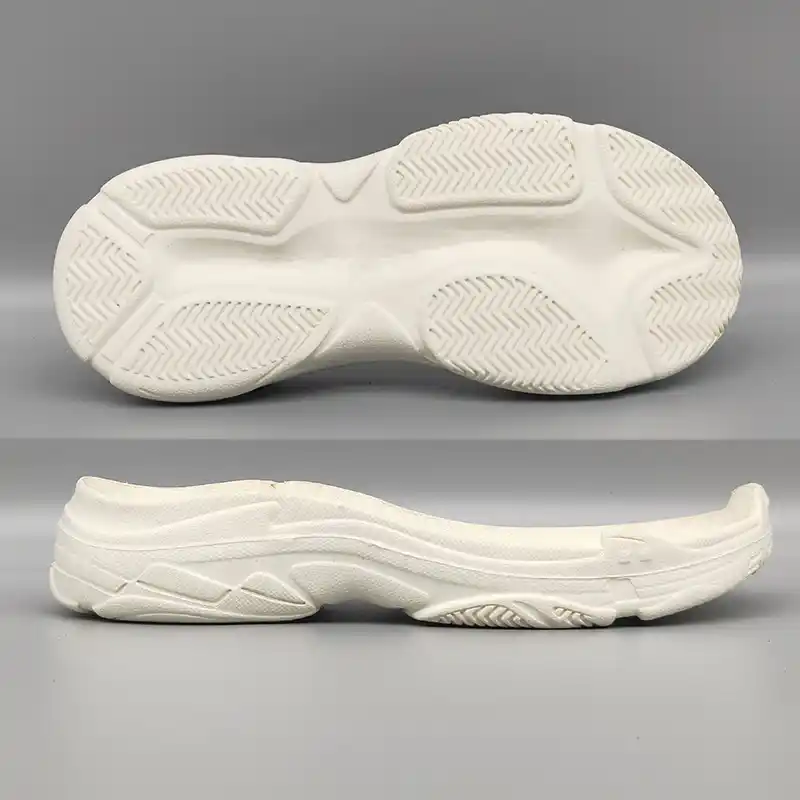
What Is an EVA Foam Outsole in Footwear Production?
EVA (Ethylene Vinyl Acetate) foam is a lightweight, closed-cell polymer material used widely in footwear outsoles and midsoles. During the foaming process, air cells form inside the material, creating a compressible structure that absorbs impact during walking or running.
In production systems, EVA is mainly used for:
- Cushioning layers in performance footwear
- Midsole-outsole integrated structures
- Lightweight sole platforms for casual and sports shoes
How EVA Foam Outsoles Perform in Real Use Conditions
Impact Absorption Under Repeated Load
When the foot strikes the ground, EVA compresses and disperses impact energy across its foam structure. This reduces peak pressure on the heel and forefoot areas, especially during repetitive walking or running cycles.
Weight Reduction in Footwear Design
Compared to rubber-based materials, EVA significantly reduces outsole weight. In real product development, this weight reduction directly improves walking efficiency and reduces long-term fatigue in both sports and daily-use footwear.
Comfort Behavior During Daily Wear
EVA provides a soft and flexible response under foot pressure. This makes it suitable for users who prioritize step-in comfort and lightweight walking experience rather than high-abrasion durability.
Why Footwear Engineers Use EVA Foam Outsoles
Functional Cushioning Layer in System Design
In professional footwear design, EVA is rarely used alone. Engineers treat it as a cushioning layer inside a structured outsole system rather than a complete sole solution.
Adjustable Density for Different Product Needs
EVA performance is controlled through density adjustment. Lower density improves softness and comfort, while higher density improves stability but reduces cushioning feel. This allows manufacturers to tune performance based on product positioning.
Efficient Mass Production Capability
EVA supports stable compression molding and foaming processes, which makes it suitable for large-scale OEM footwear production with consistent output quality.
Limitations of EVA Foam Outsoles in Long-Term Use
Compression Set in High-Load Conditions
In repeated loading environments, EVA gradually loses part of its elastic recovery. This phenomenon, known as compression set, reduces cushioning performance over time in high-stress zones.
Lower Wear Resistance Compared to Rubber
EVA does not provide the same abrasion resistance as rubber. In real outdoor or heavy-use conditions, surface wear becomes a limiting factor for EVA-only outsole designs.
Single-Material EVA Outsoles Are Rare in Performance Products
Because of its limitations, EVA is rarely used as the only outsole material in durable footwear. Most performance shoes combine EVA with rubber or TPU to balance comfort and durability.
Where EVA Foam Outsoles Are Commonly Used
Running and Athletic Shoes
EVA is widely used in running shoes where lightweight cushioning and shock absorption are more important than extreme abrasion resistance.
Casual and Lifestyle Footwear
In everyday shoes, EVA improves walking comfort and reduces fatigue during long periods of standing or walking.
Work and Standing-Use Footwear
For users who stand for long hours, EVA helps reduce cumulative pressure on the plantar surface and improves overall comfort.
OEM and Private Label Footwear Development
Footwear brands use EVA foam outsoles in OEM development because it allows flexible design adjustments and cost-effective scaling for different markets.
EVA Foam vs Rubber, PU, and TPU in Real Manufacturing Decisions
EVA vs Rubber
EVA focuses on cushioning and weight reduction, while rubber is used for traction and abrasion resistance. In real outsole systems, rubber is usually applied in high-wear contact zones.
EVA vs PU
PU provides stronger long-term durability and structural stability, while EVA offers a softer feel and lighter construction for comfort-oriented products.
EVA vs TPU
TPU is used when structural control and energy return are required. EVA is used when cushioning and lightweight performance are the priority.
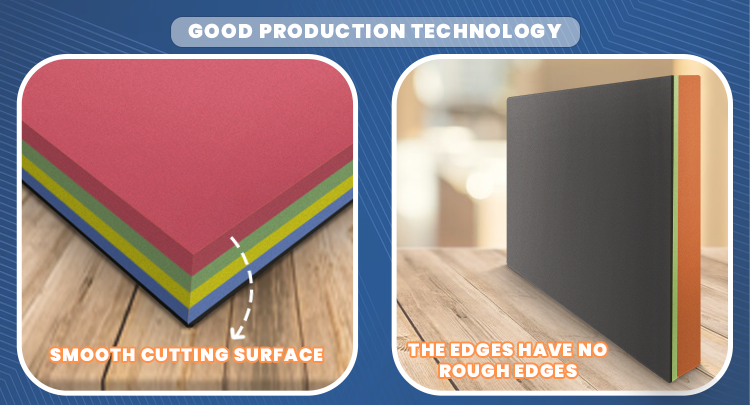
How EVA Is Used in Multi-Layer Outsole Systems
In modern footwear engineering, EVA is rarely treated as a standalone solution. Instead, it is integrated into layered structures where each material performs a specific function.
A typical system includes:
- Top layer for foot comfort and contact softness
- EVA layer for impact absorption and cushioning
- Rubber or TPU layer for wear resistance and stability
This structure ensures that no single material is responsible for all performance requirements.
OEM Manufacturing Perspective: Why EVA Remains a Core Material
From a manufacturing perspective, EVA remains widely used because it fits well into scalable production systems. It allows factories to maintain consistent quality while offering flexible design adjustments for different footwear categories.
In OEM development, EVA is often selected not as a final solution, but as a reliable component within a larger outsole engineering system.
Industry Trends in EVA Foam Outsole Development
EVA outsole technology continues to evolve alongside footwear innovation trends:
- Recyclable and eco-friendly EVA formulations
- High-rebound EVA compounds for improved energy response
- Hybrid EVA + TPU outsole architectures
- Lightweight performance-driven sole systems
Conclusion: Why EVA Foam Outsoles Remain a Strategic Material Choice
EVA foam outsoles are widely used in footwear manufacturing because they provide a practical balance between cushioning, weight reduction, and production efficiency. However, they are not designed to replace high-durability materials like rubber or TPU.
In real engineering practice, EVA works best as part of a multi-material outsole system. It handles cushioning, while other materials manage wear resistance and structural stability.
This system-based approach explains why EVA continues to play a key role in modern footwear design and global OEM production, rather than being a standalone “best material” solution.
Related Post: EVA Foam Outsole Solutions for High-Quality Footwear: Cushioning, Durability and Cost Efficiency.