Introduction: Orthotic Insoles Are Not Just a Product, But an Engineering Outcome
In medical footwear and orthotic manufacturing, the final performance of an insole is never determined by a single material or process. It is the result of how well biomechanics, material behavior, and manufacturing precision are balanced in real production conditions.
A professional medical orthotic insoles factory does not simply “produce insoles.” It builds functional support systems designed to influence foot alignment, pressure distribution, and long-term wearing comfort across different user groups.
What Defines a Medical Orthotic Insoles Factory?
A true orthotic insoles factory focuses on functional foot support products rather than general cushioning footwear components. In practice, this means the factory must integrate biomechanical understanding with scalable manufacturing capability.
In most professional production environments, engineers and technicians focus on three core outputs:
- Foot pressure redistribution through structural design
- Arch support control based on gait behavior
- Stable mass production for OEM and global distribution
This combination is what separates orthotic manufacturing from standard foam or footwear production.
How Orthotic Insoles Are Actually Developed in Manufacturing Practice
1. Foot Data Is Collected, Not Assumed
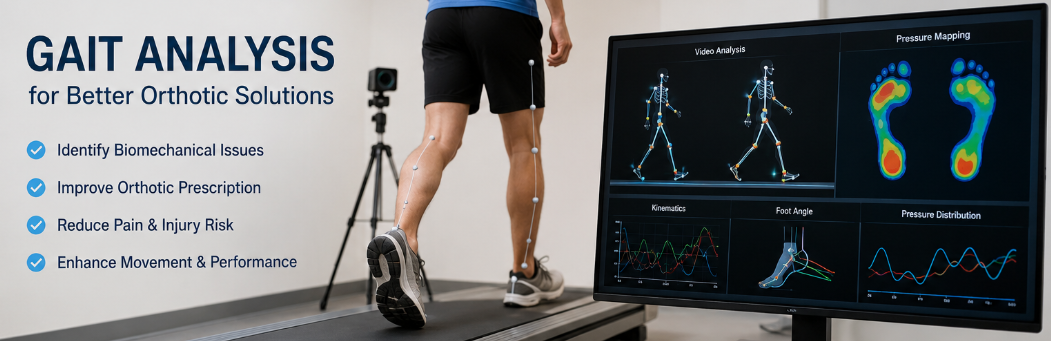
Production begins with real foot data, often captured through 3D scanning or pressure mapping systems. This data reveals how load is distributed during walking, standing, and movement phases.
2. Design Is Built Around Biomechanics, Not Shape Alone
Engineers translate foot data into functional structures using CAD systems. At this stage, decisions are made about arch height, heel control, and pressure zones based on biomechanical behavior rather than visual symmetry.
3. Materials Are Selected Based on Functional Role
In orthotic systems, material selection is always function-driven. Common choices include:
- EVA for cushioning and impact absorption
- TPU for structural control and arch stability
- Composite multi-layer systems for balanced performance
Each material serves a specific mechanical function rather than general comfort alone.
4. Manufacturing Methods Depend on Product Purpose
Factories apply different production methods depending on product type. Compression molding is often used for mass production, while CNC cutting or additive manufacturing supports customized orthotic solutions.
5. Performance Is Verified Under Real Load Conditions
Before shipment, products are evaluated based on real-use factors such as compression resistance, arch stability, and pressure distribution consistency under repeated load cycles.
Core Product Categories in Orthotic Insole Manufacturing
Medical Orthotic Insoles
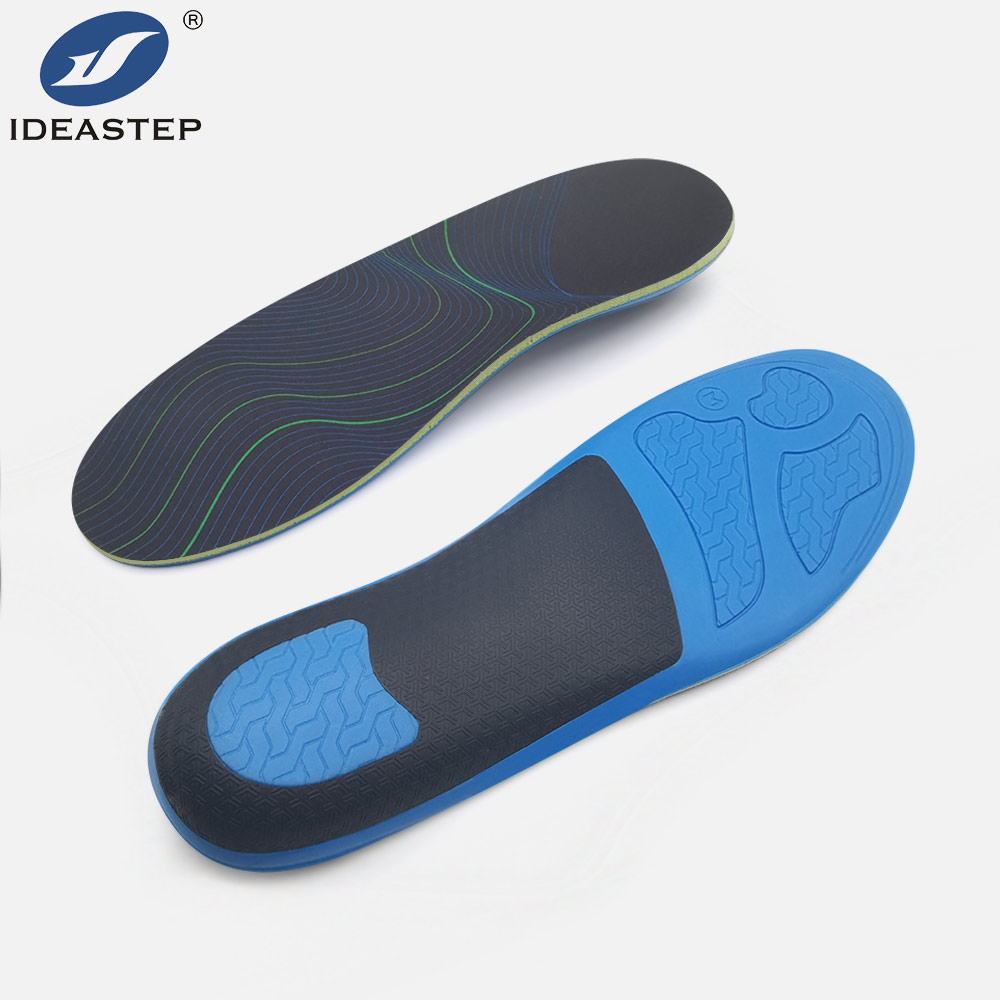
Medical orthotic insoles support users with structural foot issues such as flat feet, high arches, and plantar fasciitis. Their function is to improve alignment and reduce abnormal pressure concentration.
Custom Orthotic Insoles (OEM/ODM)
Custom orthotic solutions are developed for brands, clinics, and distributors that require product adaptation based on specific biomechanical or market requirements.
Sports Orthotic Insoles
In sports applications, the focus shifts toward dynamic stability. These insoles help manage impact forces and improve foot control during high-intensity movement.
Work Boot Orthotic Insoles
For long-hour standing environments, such as industrial and healthcare settings, orthotic insoles reduce cumulative plantar pressure and improve fatigue resistance.
Material Engineering Logic Behind Orthotic Insoles
EVA as a Cushioning Control Layer
EVA is commonly used as a cushioning layer because it absorbs impact effectively. However, in engineering terms, it cannot provide structural correction alone. It works best when integrated into a multi-layer system.
TPU as Structural Support Material
TPU provides controlled stiffness and helps maintain arch structure during dynamic movement. Without proper design balance, TPU can feel overly rigid, especially in long-term wear.
Multi-Layer System Design
Most advanced orthotic insoles rely on layered construction:
- Top layer for comfort and skin contact
- Middle EVA layer for shock absorption
- Bottom TPU layer for structural stability
This structure balances comfort, control, and durability instead of relying on a single material.
OEM and ODM Manufacturing for Global B2B Markets
In global orthotic supply chains, factories are evaluated not only by production capacity but also by their ability to support long-term OEM and ODM cooperation.
OEM production focuses on consistent replication under brand specifications, while ODM development involves full product engineering support, including design, material selection, and prototype development.
Export-oriented factories typically serve markets in Europe, North America, and other regions where medical and performance footwear standards require stable quality control and documentation support.
Medical and Clinical Application Context
Orthotic insoles are widely used in both preventive and corrective scenarios. In clinical practice, they are often applied to manage conditions such as:
- Flat feet and overpronation
- High arch foot structure
- Plantar fasciitis and heel pain
In real clinical use, the goal is not only pain relief but also improving gait efficiency and reducing abnormal stress accumulation over time.
Quality Control in Professional Manufacturing
Reliable orthotic insole production requires consistent quality systems rather than one-time testing. Factories typically monitor:
- Material consistency across batches
- Structural stability under repeated compression
- Pressure distribution uniformity
- Long-term deformation resistance
Global Export and Supply Chain Capability
A professional orthotic insoles factory must support stable global delivery. This includes scalable production planning, packaging customization, and coordination with international logistics systems.
In B2B markets, consistency in delivery and product performance often matters more than isolated product innovation.
Industry Direction: Where Orthotic Insole Manufacturing Is Heading
The orthotic insole industry is gradually shifting toward data-driven and hybrid manufacturing systems.
- 3D scanning integrated with automated design systems
- AI-assisted gait and pressure analysis
- Hybrid material systems combining EVA, TPU, and foams
- Greater adoption of 3D printing for custom orthotics
Conclusion: Why Factory Selection Determines Product Performance
In orthotic insole manufacturing, technology alone does not determine performance. Real-world effectiveness depends on how well biomechanics, material selection, and production execution are integrated.
EVA improves comfort but cannot control structure alone. TPU improves stability but requires careful design to avoid excessive rigidity. 3D scanning improves accuracy but does not guarantee functional performance without proper engineering interpretation.
This is why experienced manufacturers avoid relying on a single technology. Instead, they build integrated systems that adapt to clinical needs, daily wear conditions, and industrial use scenarios.
For global brands, clinics, and distributors, selecting the right orthotic insoles factory directly influences product reliability, user satisfaction, and long-term market competitiveness.