Introduction: Why Concrete Surfaces Demand More Than Comfort Insoles
Walking or standing on concrete for 8–12 hours a day is one of the most demanding conditions for the human foot. Unlike natural ground, concrete offers no energy return and very limited shock absorption. Every step sends a direct impact force through the heel, arch, and forefoot, and that load accumulates throughout the day.
From an orthotic design perspective, the real issue is not just discomfort—it is repeated mechanical overload. In practice, this is why many workers experience progressive fatigue even when wearing standard “cushioned” insoles.
Why Walking on Concrete Causes Foot Pain and Fatigue
Concrete is a rigid, non-compliant surface, meaning it does not deform to absorb impact. As a result, the body must handle nearly all ground reaction forces internally.
Over time, this leads to:
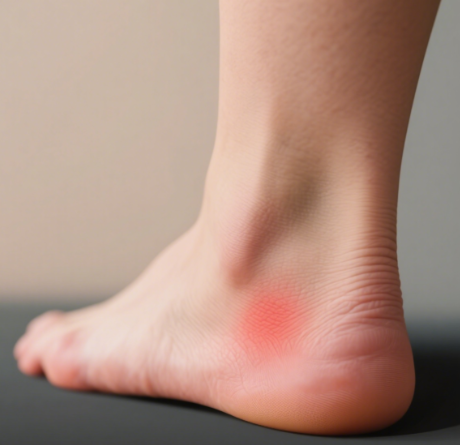
- Heel overload and localized pressure buildup
- Plantar fascia strain from continuous tension
- Calf muscle fatigue due to constant stabilization
- Knee and lower back compensation patterns
It is not uncommon to see workers report increasing discomfort as their shift progresses, especially in environments where movement is repetitive and unavoidable.
What Happens to Your Feet During Long Hours on Hard Floors
When standing or walking continuously on concrete, the foot enters a fatigue cycle. The soft tissues responsible for shock absorption—such as the plantar fascia and surrounding musculature—gradually lose efficiency under repeated load.
In many cases, circulation in the lower limbs also slows during prolonged static standing, which can contribute to swelling and heaviness.
If this pattern continues daily, it may increase the risk of plantar fasciitis, metatarsalgia, shin splints, and even secondary joint stress in the knees and hips.
Why Regular Insoles Often Fail in Industrial Work Environments
Most off-the-shelf insoles are designed for short-term comfort rather than sustained occupational use. While they may feel soft at the beginning of a shift, their structure often collapses under continuous load.
Once compression occurs, the foot effectively returns to a near-rigid surface, and the protective function is significantly reduced.
From a biomechanical standpoint, cushioning alone cannot control how force is distributed. Without structural support, the same stress zones—especially the heel and forefoot—continue to absorb repeated impact.
This is why many users describe a common pattern: initial comfort, followed by rapid loss of effectiveness after prolonged use.
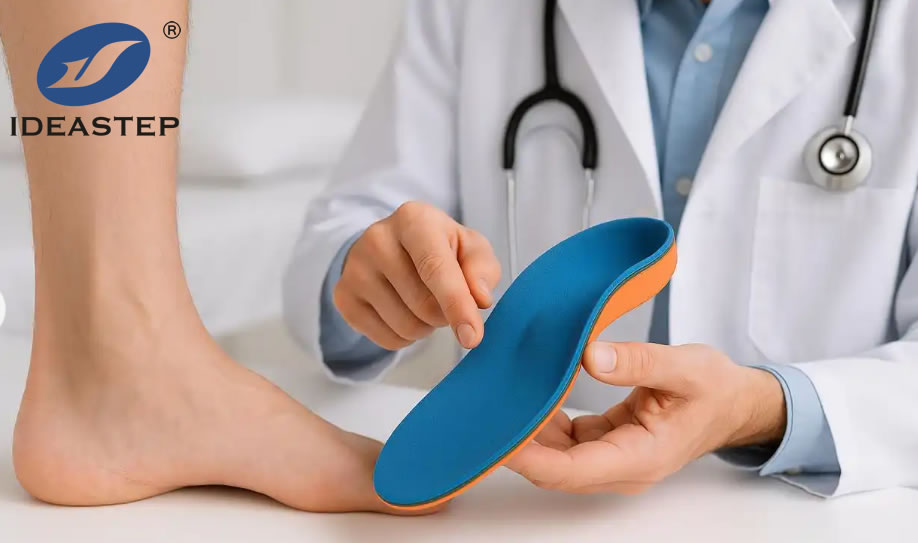
What Makes the Best Insoles for Walking All Day on Concrete
Shock Absorption System
A proper work insole must include a controlled shock absorption layer. Multi-density EVA or PU materials are commonly used because they can reduce heel strike impact while maintaining long-term resilience under repeated compression cycles.
Structural Arch Support
Arch support is not just about comfort—it is about load distribution. A stable arch structure helps reduce excessive strain on the plantar fascia and prevents midfoot collapse during long hours of standing or walking.
Heel Stability and Cushioning Cup
A deep heel cup helps stabilize the rearfoot during impact. This reduces excessive lateral movement and improves alignment during the heel strike phase, which is critical on hard surfaces.
Pressure Redistribution Design
Instead of concentrating force on a single zone, a well-designed insole spreads pressure across the entire plantar surface. This reduces localized overload and improves long-term comfort during extended shifts.
Durability for Long-Term Use
In occupational environments, durability is as important as comfort. A quality insole must maintain its structure under continuous loading without collapsing or losing rebound performance too quickly.
Best Insoles for Different Types of Work Environments
Warehouse and Factory Workers
These users experience long periods of standing combined with lifting and repetitive movement. They benefit most from strong heel cushioning and firm arch support to reduce cumulative fatigue.
Retail and Service Industry Staff
Retail workers alternate between standing and walking. A balanced insole design with moderate flexibility helps maintain comfort during constant movement shifts.
Healthcare Professionals
Doctors and nurses often walk quickly on hard floors throughout long shifts. Lightweight insoles with shock absorption and stability control are particularly important in this environment.
Construction and Industrial Workers
This group faces uneven load conditions and prolonged exposure to hard ground. They require more durable, high-density support systems that maintain structure under heavy use.
Orthotic Engineering Insight: Why Concrete Is So Demanding
Concrete is one of the most challenging walking surfaces because it provides zero energy return. Each step generates a ground reaction force that must be fully absorbed by the musculoskeletal system.
Unlike natural terrain, which allows micro-adjustments and partial force dispersion, concrete creates a repetitive high-impact cycle. Over time, this leads to cumulative stress rather than isolated discomfort.
This is why modern orthotic design focuses not only on cushioning but also on controlling how forces are transmitted through the foot during gait.
EVA vs Gel vs PU: Material Performance in Work Insoles
Material selection plays a critical role in insole performance under long-term load.
- EVA: Widely used in orthotic applications due to its balance of shock absorption, resilience, and structural stability in multi-density configurations.
- Gel: Provides immediate softness but tends to lose stability under prolonged industrial use.
- PU: Offers high durability and support but can feel heavier depending on density and formulation.
In professional orthotic manufacturing, multi-layer EVA systems are often preferred because they maintain performance consistency over extended wear cycles.
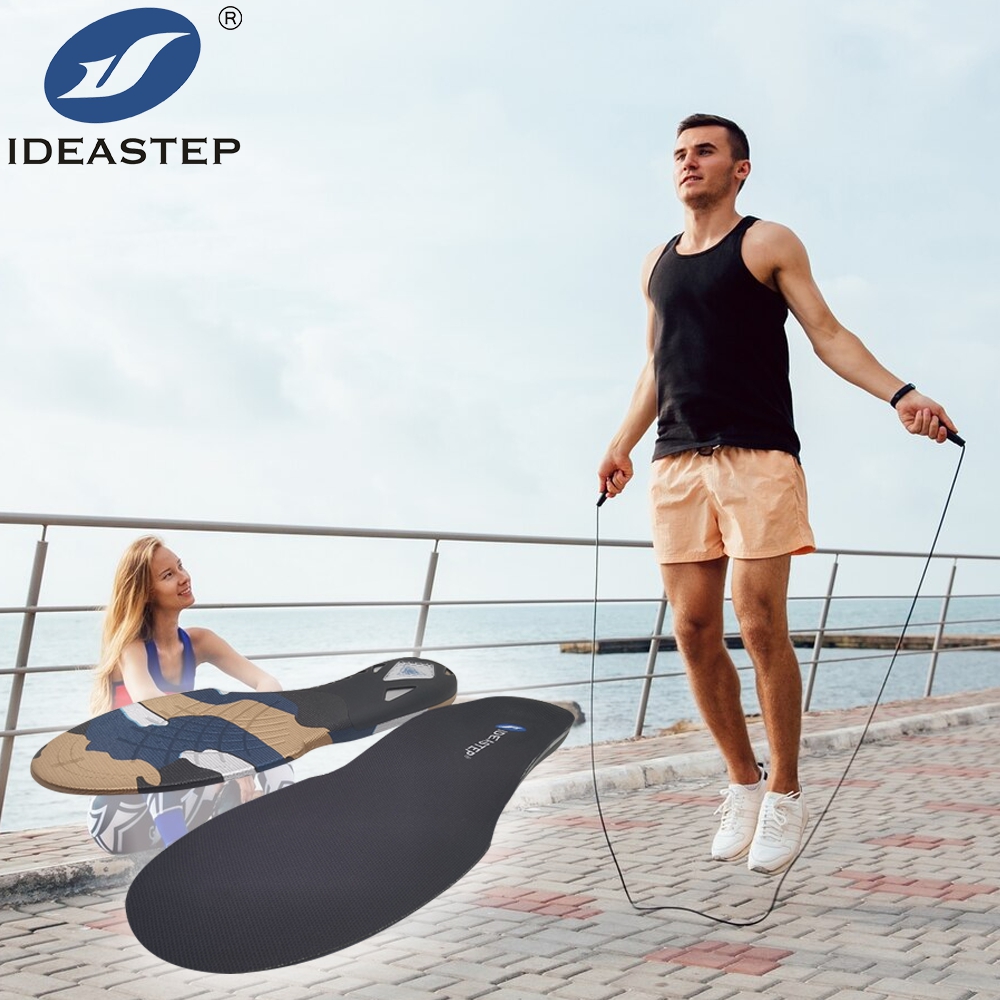
How Orthotic Insoles Improve Long Shift Comfort
Well-designed insoles influence how the foot interacts with the ground across each phase of movement:
- Heel strike: Reduces impact force through controlled cushioning and stabilization
- Midstance: Distributes pressure more evenly across the midfoot
- Toe-off: Improves propulsion efficiency and reduces muscular overload
In practice, this may help delay fatigue onset during long shifts, especially in environments where standing and walking are continuous.
When to Replace Work Insoles
Even high-performance insoles have a limited functional lifespan under daily occupational use. Signs of degradation include visible compression, uneven wear patterns, and reduced shock absorption response.
In heavy-use environments, performance loss is usually gradual, so regular inspection is recommended to maintain consistent support levels.
Conclusion: Choosing the Right Insoles for Concrete Work Environments
The best insoles for walking all day on concrete are not defined by softness alone, but by how effectively they combine shock absorption, structural support, and pressure redistribution under long-term load.
From an orthotic perspective, the goal is not temporary comfort, but sustained biomechanical support that reduces cumulative stress on the lower limbs.
For workers in demanding environments, selecting the right insole can make a meaningful difference in daily fatigue levels and long-term musculoskeletal health.
Related product links: https://www.aideastep.com/product/forefoot-pressure-relief-insoles/.