Introduction: Why Supination Needs More Than Just Cushioning
Supination (also called underpronation) is a biomechanical pattern where the foot tends to roll outward during walking or running. While it may sound like a minor variation in gait, in practice it changes how ground reaction forces travel through the lower limb. Instead of being distributed across the entire foot, pressure is concentrated on the outer edge.
In orthotic practice, this is not just a comfort issue. It is a load distribution problem that, over time, may affect ankle stability, muscle fatigue, and joint alignment. Supination insoles are designed to address this structural imbalance rather than simply provide softness underfoot.
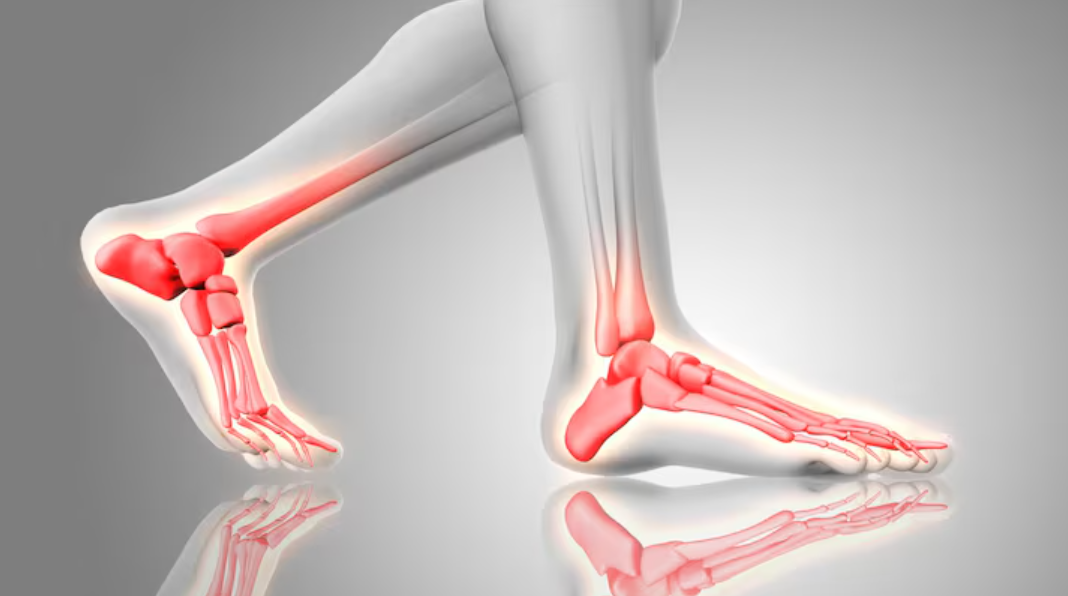
What Is Supination (Underpronation)?
Supination occurs when the natural inward roll of the foot during the gait cycle is reduced. In a neutral gait, the foot slightly pronates to absorb shock and distribute pressure evenly. When supination happens, the body loses part of this shock absorption mechanism.
Common signs include:
- Wear concentrated on the outer edge of shoes
- Frequent ankle instability or mild sprains
- Reduced shock absorption during impact
- Discomfort along the lateral foot or calf
In many cases, individuals do not realize they supinate until pain or uneven shoe wear becomes noticeable.
What Causes Supination?
Supination is usually structural rather than temporary. Several factors contribute to it:
- High arch foot structure: Less midfoot contact with the ground reduces load distribution.
- Muscle imbalance: Tight or weak lower-leg muscles can alter gait mechanics.
- Genetic factors: Foot structure is often inherited.
- Footwear selection: Shoes with insufficient support can reinforce lateral loading patterns.
- Repetitive stress: Long-distance running or prolonged standing may intensify symptoms.
Why Regular Insoles Often Fail for Supination
Most standard insoles on the market are designed primarily for cushioning. While this may improve short-term comfort, it does not necessarily correct load distribution.
From a biomechanical standpoint, overly soft materials can sometimes allow the foot to continue rolling outward without sufficient resistance. This means the underlying supination pattern remains unchanged.
Effective correction requires structured support that guides the heel and midfoot toward a more neutral loading path, rather than simply absorbing impact.
How Supination Insoles Work
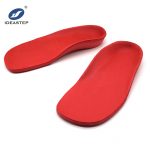
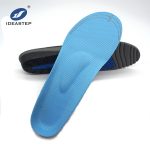
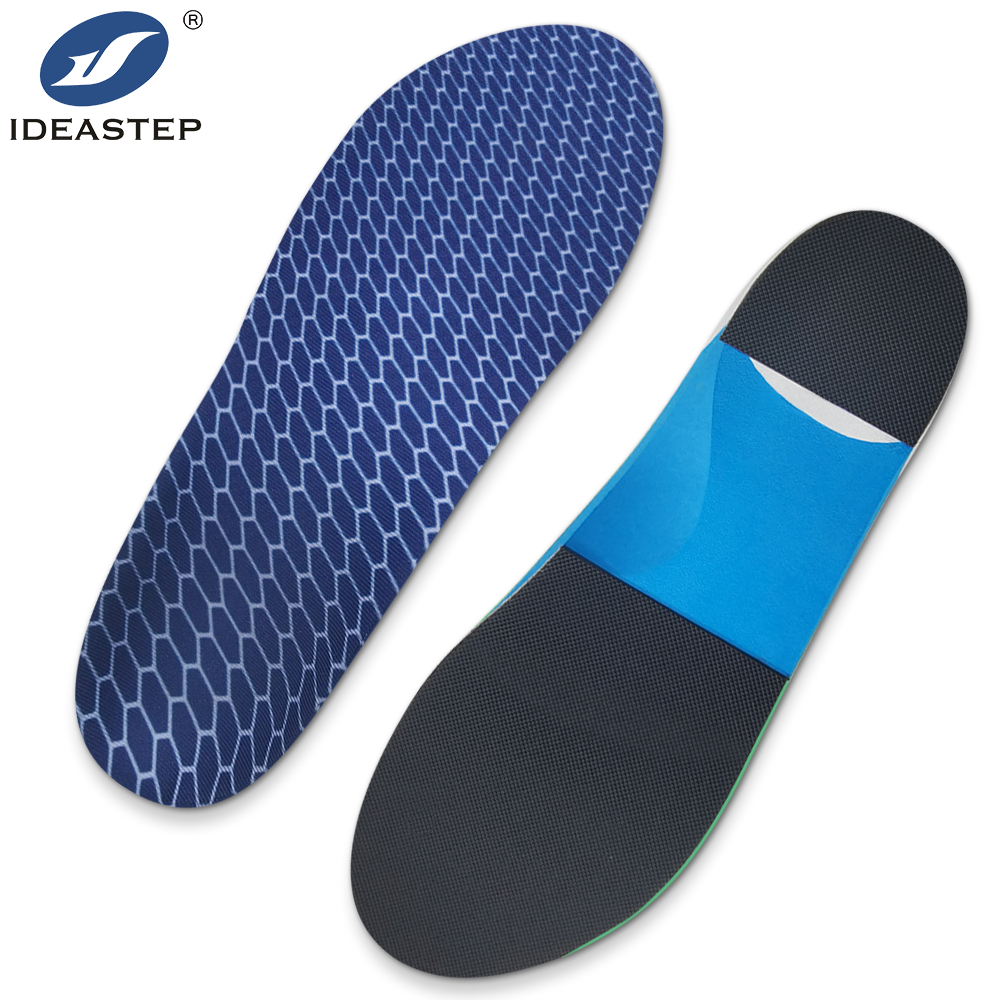
Supination insoles are engineered to influence foot mechanics during the stance phase of gait. Instead of acting as passive cushioning, they provide controlled structural guidance.
Key functional elements include:
- Arch stabilization: Helps maintain a more balanced midfoot position.
- Heel cup design: Improves rearfoot control and alignment.
- Lateral support structure: Reduces excessive outward roll.
- Shock-absorbing base layer: Helps manage impact forces during heel strike.
Gait phases typically improve in the following way:
- Heel strike: Better rearfoot stability reduces lateral impact.
- Midstance: Pressure is redistributed toward the center of the foot.
- Toe-off: More balanced propulsion improves efficiency.
Key Benefits of Supination Insoles
Improved Foot Alignment
Supination insoles may help guide the foot toward a more neutral loading position, reducing excessive outward deviation during movement.
Reduced Outer Foot Pressure
By redistributing ground forces, pressure on the lateral foot is generally reduced, which can help improve overall comfort during walking or standing.
Enhanced Shock Absorption
Multi-density structures, often using EVA or similar materials, help absorb impact forces and reduce repetitive stress on joints.
Improved Stability During Movement
Better rearfoot control can enhance perceived stability, especially during dynamic activities such as walking on uneven surfaces or running.
Reduced Fatigue During Long Standing
For individuals who stand for extended periods, more balanced pressure distribution may help reduce muscle fatigue in the lower legs.
Who Can Benefit from Supination Insoles?
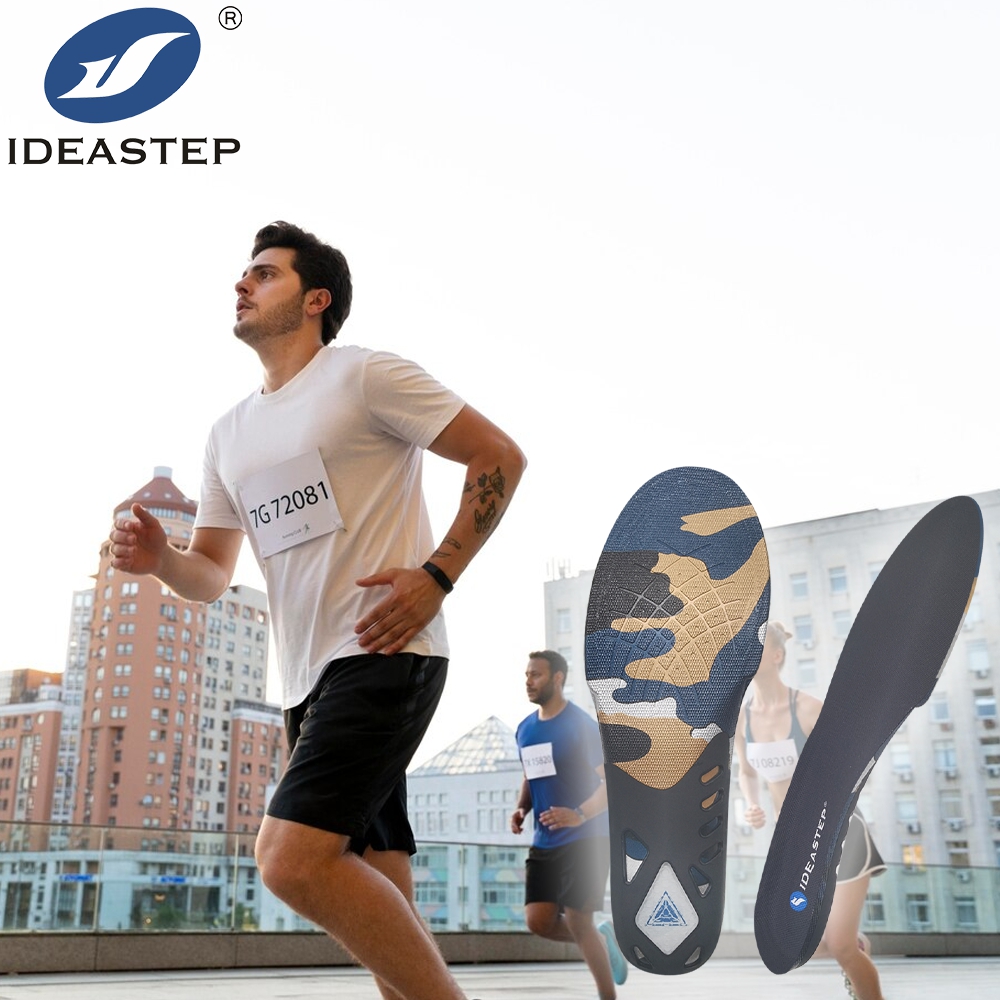
Supination insoles are commonly used in both daily support and performance environments, including:
- Individuals with high arch foot structure
- Runners and endurance athletes
- Workers who stand for long hours
- Individuals with ankle instability history
- Rehabilitation patients recovering from lower-limb injuries
Even in mild cases, early support can help reduce progressive strain on the lower limbs.
Key Features to Look For in Supination Insoles
Not all insoles provide effective correction. From an orthotic design perspective, structure is more important than softness.
- Controlled arch support: Firm enough to guide, not collapse under load
- Deep heel cup: Enhances rearfoot stability
- Multi-density EVA structure: Balances cushioning and control
- Targeted pressure zones: Improves load distribution efficiency
- Lightweight construction: Maintains natural gait mechanics
Clinical Perspective from Orthotic Practice
In orthotic design, supination is treated as a functional load distribution issue rather than a simple discomfort problem. The objective is not to force correction, but to influence how forces are transmitted through the foot during stance.
Multi-density materials such as EVA are widely used because they allow engineers to combine structural support and shock absorption within one system. If a material is too soft, it loses corrective function; if too rigid, user compliance often decreases.
Custom orthotic solutions are typically recommended in cases involving chronic symptoms or pronounced structural high arches, where standard insoles may not provide sufficient control.
Custom Supination Insoles vs Standard Insoles
Standard insoles: General fit, limited structural correction, mainly cushioning-focused.
Custom orthotics: Personalized geometry, higher biomechanical precision, and multi-zone support systems.
In clinical and professional environments, custom solutions are generally preferred when long-term correction is required.
Conclusion: Why Proper Foot Alignment Matters
Supination is not only a comfort-related issue but a structural biomechanical pattern that influences how the entire lower limb functions. Without proper support, uneven loading may gradually affect stability, efficiency, and joint health.
Well-designed supination insoles help guide the foot toward a more balanced position by redistributing pressure and supporting natural movement mechanics. For users with persistent symptoms or high-arch structure, orthotic-grade solutions offer more consistent long-term support than basic cushioning insoles.
In professional applications, the goal is not just comfort improvement, but controlled biomechanical correction that supports healthier movement patterns over time.
Related Post:
How do supination insoles work?
Which supination insoles company doing OBM?