Introduction: Understanding the Real Role of Memory Foam in Walking Insoles
Memory foam insoles for walking are widely used in comfort footwear because they improve the initial feeling of softness and pressure relief. However, in real-world applications, especially in OEM and industrial footwear development, memory foam should be understood as a comfort layer rather than a structural solution.
In practice, the performance of a walking insole is not determined by softness alone. Long-term comfort depends on how well cushioning, arch support, and structural stability work together under continuous load.
What Are Memory Foam Insoles for Walking?
Memory foam is a viscoelastic material that reacts to body heat and pressure. When used in insoles, it slowly adapts to the shape of the foot, creating a customized contact surface that helps reduce localized pressure points.
From a manufacturing perspective, memory foam is typically used in the top layer of an insole system. Its role is to enhance perceived comfort, while structural support is provided by materials such as EVA or PU beneath it.
In most OEM programs, memory foam is never used alone for performance-oriented walking insoles because it lacks long-term structural control under repeated loading.
How Memory Foam Improves Walking Comfort
Memory foam improves walking comfort by redistributing pressure across a wider surface area. Instead of concentrating force on the heel or forefoot, the material conforms to the foot and reduces peak pressure zones during walking.
This effect is particularly noticeable during short- to medium-duration walking, where initial comfort plays an important role in user experience.
However, under continuous use, performance may vary depending on foam density and thickness. Lower-density foam tends to compress faster, reducing long-term cushioning effectiveness.
Why Memory Foam Alone Is Not Enough for Long-Term Walking Support
From an orthotic engineering perspective, memory foam alone cannot provide stable support for prolonged walking or standing environments.
The main limitation is compression set behavior. After repeated loading, the foam gradually loses rebound ability, which reduces both cushioning and pressure distribution performance.
In real-world use, this means that while the insole may feel comfortable initially, support levels can decrease significantly over time, especially in work or travel scenarios involving long walking distances.
What Makes the Best Memory Foam Insoles for Walking
Cushioning Performance
Effective walking insoles require consistent shock absorption at heel strike. Multi-density foam structures are often used to reduce bottoming-out and improve durability under repeated impact.
Arch Support Structure
Arch support is essential for maintaining foot alignment and reducing strain on the plantar fascia. Even in comfort-focused products, a basic structural arch improves load distribution during walking.
Heel Stability Cup
A well-designed heel cup helps stabilize the rearfoot and reduces excessive movement during gait. This is particularly important for users who walk long distances on hard surfaces.
Breathability and Durability
In daily use environments, airflow and material durability directly affect long-term comfort. Poor ventilation or rapid material breakdown can significantly reduce wearing experience.
Multi-Layer Construction Design
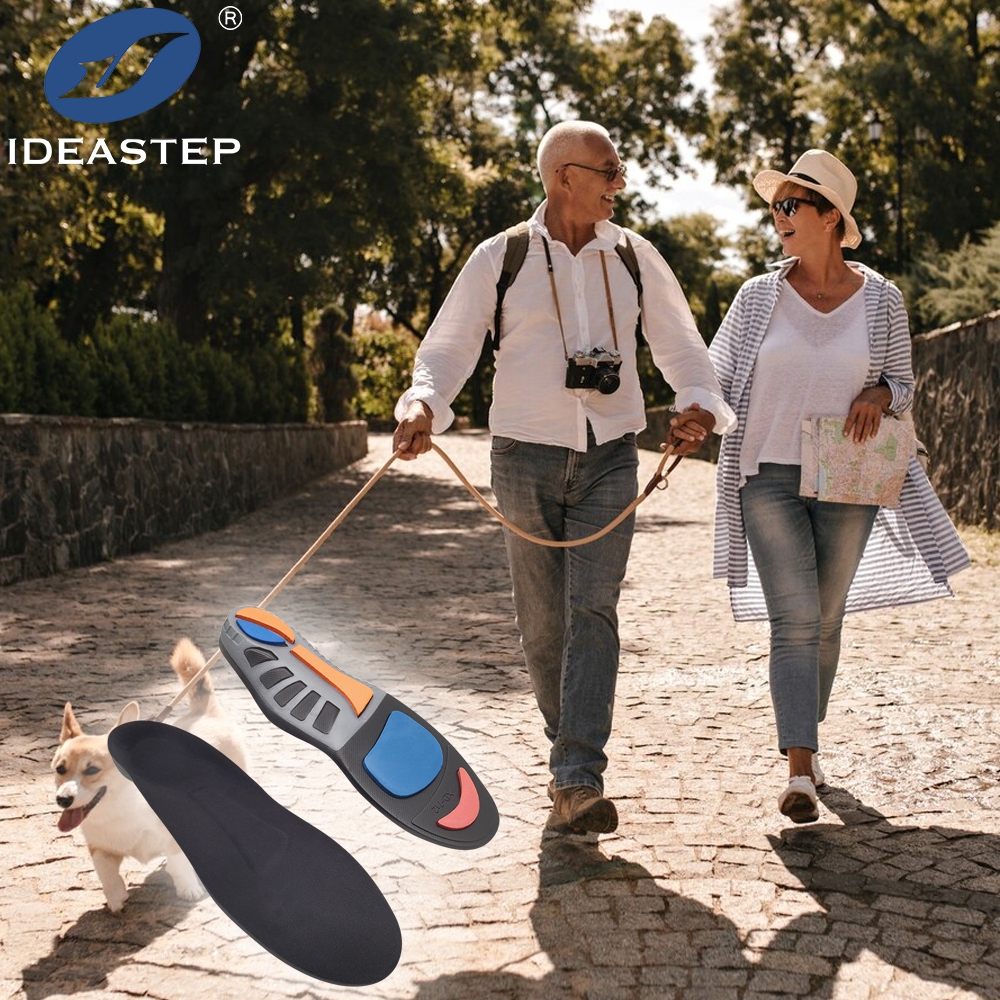
In modern insole manufacturing, the best memory foam walking insoles are typically built using a layered structure:
- Top layer: memory foam for pressure relief and comfort
- Mid layer: EVA or PU for structural support and load distribution
- Base layer: reinforced material for stability and durability
This structure allows manufacturers to balance comfort and performance across different user segments.

Best Memory Foam Insoles for Different Walking Scenarios
Daily Walking and Casual Use
For casual users, memory foam provides immediate comfort benefits and reduces pressure discomfort during short walking sessions.
Work and Standing All Day
In occupational environments, cushioning alone is not enough. Combined arch support and structural stability become more important for reducing fatigue accumulation.
Travel and Long-Distance Walking
Travel scenarios require lightweight insoles with balanced cushioning and support due to extended walking on hard surfaces such as airports and urban environments.
Mild Foot Fatigue Users
For early-stage foot fatigue or mild plantar discomfort, memory foam insoles with basic arch support may help reduce pressure buildup during daily activity.
Memory Foam Insoles vs Orthotic Insoles
Memory foam insoles are primarily designed for comfort enhancement. They improve the sensation of walking but do not actively correct foot biomechanics.
Orthotic insoles, by contrast, are designed for structural control and alignment. They are commonly used in clinical or performance-oriented applications where foot correction is required.
In B2B product development, memory foam insoles are typically positioned as comfort-grade solutions, while orthotic insoles belong to support or medical-grade categories.
Common Limitations of Low-Quality Memory Foam Insoles
In mass production and low-cost product lines, several performance issues are frequently observed:
- Rapid flattening after short-term use
- Heat retention during long walking sessions
- Lack of effective arch support structure
- Uneven pressure distribution across the footbed
These limitations highlight the importance of material selection and structural design in OEM and ODM development.
How to Choose the Right Memory Foam Insoles for Walking
Selection should be based on functional requirements rather than softness alone.
- Arch compatibility: low, medium, or high arch support levels
- Foam density: balance between comfort and durability
- Heel cup depth: affects rearfoot stability
- Usage environment: daily wear, work, or travel
- Base structure: EVA or PU reinforcement for long-term support
Expert Orthotic Perspective: OEM Design and Material Classification
From a manufacturing perspective, memory foam insoles are classified as comfort-grade products. They are designed to improve initial wearing experience rather than provide biomechanical correction.
In OEM production systems, insole products are generally divided into three categories:
- Comfort-grade: memory foam dominant structure for soft walking experience
- Support-grade: hybrid systems combining memory foam with EVA structural layers
- Orthotic-grade: engineered arch support systems with reinforced structural frames
This classification influences not only material selection but also pricing strategy, target market positioning, and product lifecycle expectations.
Where Memory Foam Insoles Are Commonly Used
Memory foam insoles are widely used in:
- Walking shoes and casual sneakers
- Work footwear in retail, hospitality, and healthcare
- Travel shoes for long-distance walking
- Everyday comfort footwear lines
Conclusion: Are Memory Foam Insoles Good for Walking?
Memory foam insoles are effective for improving walking comfort, particularly in reducing pressure points and enhancing initial cushioning. However, their performance is dependent on whether they are integrated into a properly engineered support system.
In real-world applications, they perform best as part of a layered structure that combines memory foam comfort with EVA or PU-based structural support.
For B2B buyers, footwear brands, and distributors, this category offers strong potential when developed as part of a multi-layer insole system tailored to different market segments.
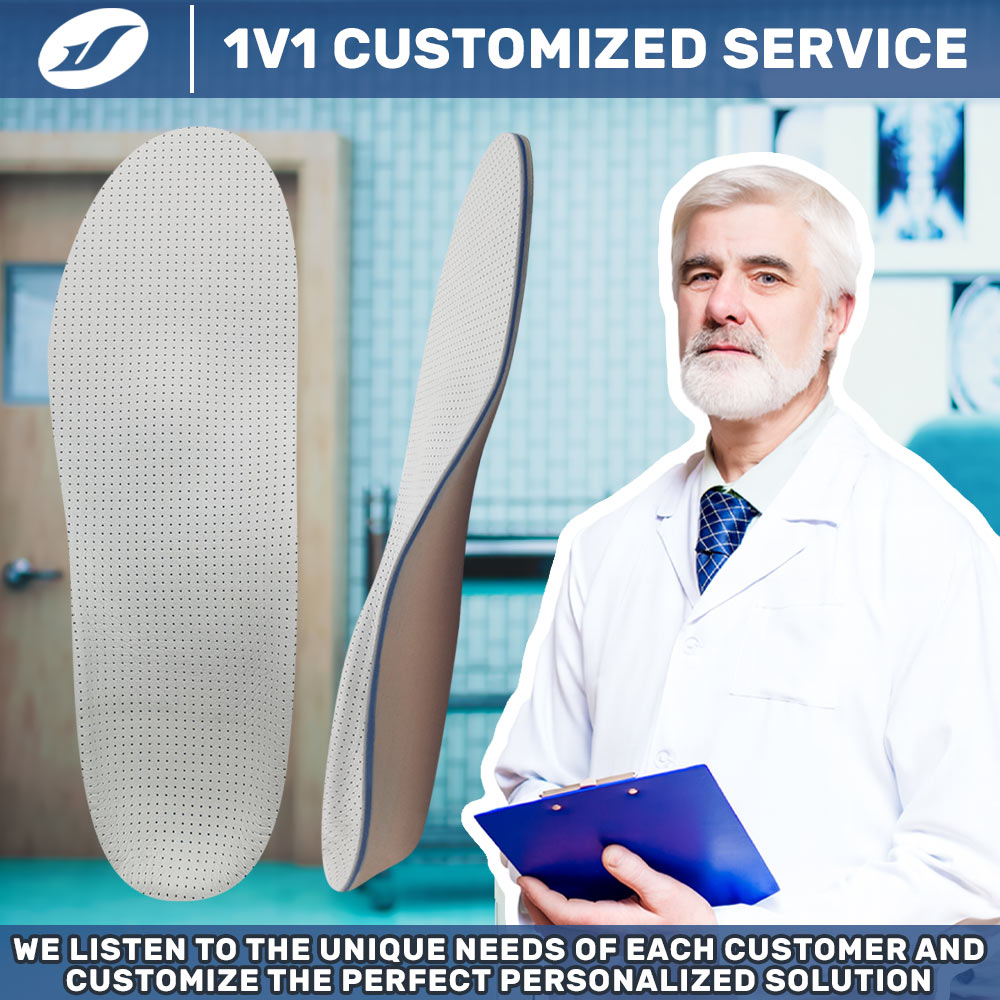
We provide OEM and ODM development for memory foam walking insoles, including material customization, density control, and multi-layer structural design. Sample validation and bulk production support are available for global footwear brands and professional distributors.
Related product links: https://www.aideastep.com/custom-orthotics-insoles/.