Introduction: Moldable Foot Insoles Are an Engineered Adaptation System, Not a Soft Comfort Product
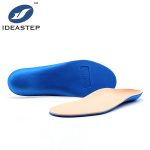
In most OEM orthotic programs, moldable foot insoles are not defined by softness or cushioning alone. They are engineered systems designed to achieve controlled deformation under pressure and, in some cases, heat activation.
The real value of this category lies in balancing adjustable comfort with stable biomechanical support during daily walking conditions, where foot pressure constantly changes across different gait phases.
Moldable vs Traditional Insoles: A Fundamental Engineering Difference
Traditional insoles rely on fixed geometry. Their support structure remains unchanged regardless of foot shape or pressure variation. This limits adaptability in real walking conditions.
Moldable orthotic insoles, by contrast, introduce controlled deformation behavior. This allows partial structural adaptation based on foot pressure distribution and material response characteristics.
In practical OEM development, this difference directly impacts comfort consistency during long-duration standing and walking scenarios.
What Defines a Moldable Foot Insole in OEM Systems?
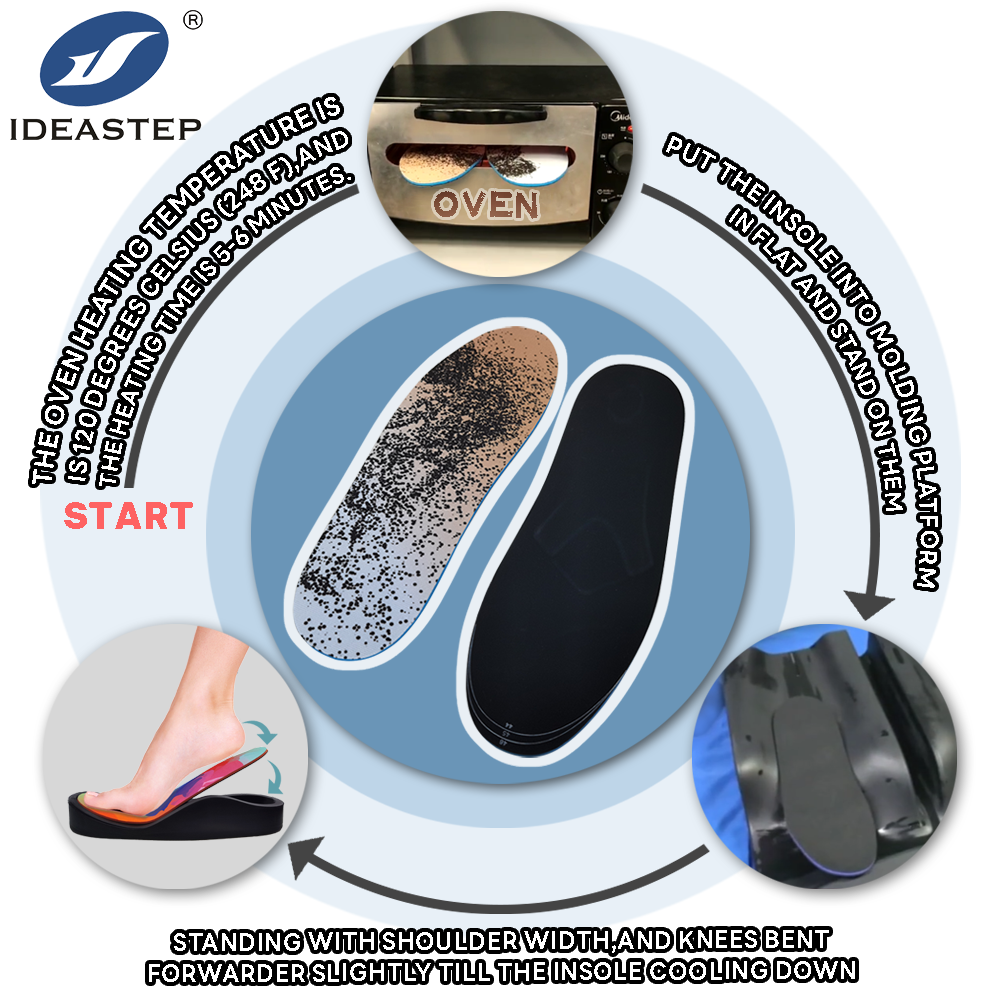
A moldable foot insole is a multi-layer structure designed to adjust its internal geometry under controlled conditions. This adjustment can occur through pressure loading, thermal activation, or combined material response.
However, in engineered production systems, moldability is not unlimited flexibility. It is a constrained deformation range defined by material density, structural zoning, and reinforcement layers.
How Moldable Insoles Deliver Adjustable Comfort
Pressure-Driven Deformation Behavior
During standing and walking, the foot applies uneven pressure across heel, arch, and forefoot zones. Moldable materials respond to this pressure by gradually deforming in high-load areas while maintaining support in structural zones.
This creates a semi-custom comfort profile that improves fit consistency without requiring full medical customization.
Heat-Activated EVA Forming Process
EVA is widely used in moldable systems due to its predictable thermal response. Under controlled heating, EVA becomes flexible and allows structural reshaping according to foot anatomy.
After cooling, the structure stabilizes. In OEM production, this process must be tightly controlled to prevent over-deformation and ensure repeatable performance across batches.
Controlled Comfort Zoning
In engineered designs, comfort is not uniform. It is distributed across functional zones:
- Heel cushioning zone for impact absorption
- Arch support zone for structural alignment
- Forefoot zone for pressure dispersion during push-off
How Moldable Insoles Improve Daily Walking Stability
Arch Control and Alignment Support
One of the core stability functions is maintaining arch alignment under load. This helps reduce excessive pronation and improves walking posture consistency.
Heel Stabilization During Impact Phase
The heel area experiences the highest impact force during initial ground contact. Moldable insoles use structured heel cups to control lateral movement and reduce instability at landing.
Gait Phase Pressure Transition Control
During walking, pressure shifts from heel strike to mid-stance and then to toe-off. Moldable systems help smooth this transition by reducing abrupt pressure peaks and improving load distribution continuity.

Material Systems Used in Moldable Orthotic Insoles
EVA: Primary Adaptive Layer
In most OEM systems, EVA serves as the primary moldable layer due to its balance of lightweight structure and thermal responsiveness.
However, EVA alone is prone to rebound loss and compression set under long-term loading conditions, making it unsuitable as a standalone structural material in high-demand applications.
PU: Structural Stability Backbone
PU provides long-term resistance to deformation. It helps maintain arch height and structural integrity even after repeated walking cycles.
In moldable systems, PU acts as the stabilizing framework that limits excessive EVA deformation and ensures durability.
TPU: Motion Control Reinforcement
TPU is applied in targeted zones where dynamic stability is required. It helps control excessive lateral movement and improves motion consistency during walking or light sports activities.
Engineering Limitations of Moldable Foot Insoles
Although moldable insoles improve adaptability, they also introduce engineering constraints that must be managed in OEM development.
If EVA thermal activation exceeds controlled limits, deformation may go beyond designed structural boundaries, leading to uneven recovery after cooling.
Another common issue is rebound degradation in EVA-only systems under repeated loading cycles, especially in long-duration walking environments.
For this reason, most professional OEM designs rely on multi-layer composite structures rather than single-material configurations.
Common Misunderstandings in Product Design
A frequent misconception is that softer materials automatically improve comfort. In real biomechanical systems, excessive softness often reduces arch stability and increases long-term fatigue.
Another misunderstanding is that moldability replaces structural engineering. In reality, controlled support architecture is essential to maintain alignment and prevent over-deformation.
OEM/ODM Development Process for Moldable Insoles
Foot Data Analysis and Biomechanical Mapping
Development begins with analyzing foot structure data, including arch height, heel angle, and plantar pressure distribution under dynamic movement.
Material Selection and Density Control
Material configuration is defined based on target performance. Density, hardness, and layer thickness are adjusted to control deformation behavior and support response.
Structural Zoning Engineering
Modern moldable insoles use zoned architecture to separate cushioning, support, and motion control functions into dedicated regions with different material properties.
Prototype Validation and Testing
Before mass production, prototypes undergo compression testing, wear simulation, and user feedback evaluation to ensure consistency across batches.
Conclusion: Adjustable Comfort Must Be Structurally Controlled
Moldable foot insoles represent an engineered balance between adaptability and structural stability. Their performance is not determined by softness, but by how precisely deformation is controlled under real-world conditions.
For OEM and ODM buyers, the key evaluation factor is not whether the product can mold, but whether it can maintain stable biomechanical support after repeated use and deformation cycles.
Brands that succeed in this category prioritize engineering consistency, material stability, and validated production systems over simple customization claims.
Related product links: https://www.aideastep.com/product/heatmoldable-sport-orthotic-insoles/.