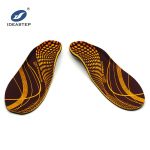
In footwear manufacturing, outsole material selection directly affects product comfort, durability, production efficiency, and market positioning. For shoe brands and manufacturers, choosing the right material is not only about improving the consumer experience but also about achieving stable production and controlling overall costs.
Among various footwear materials, EVA outsole material has become one of the most widely used solutions because of its lightweight structure, cushioning performance, flexibility, and manufacturing advantages.
From sports shoes and casual footwear to children’s shoes and comfort footwear, EVA provides manufacturers with a practical balance between performance and cost. However, selecting the right EVA material requires a clear understanding of its properties, limitations, and application requirements.
This article explains how EVA works as a shoe sole material, what factors influence its performance, and how footwear manufacturers can choose the right EVA solution for different production needs.
What Is EVA Outsole Material?
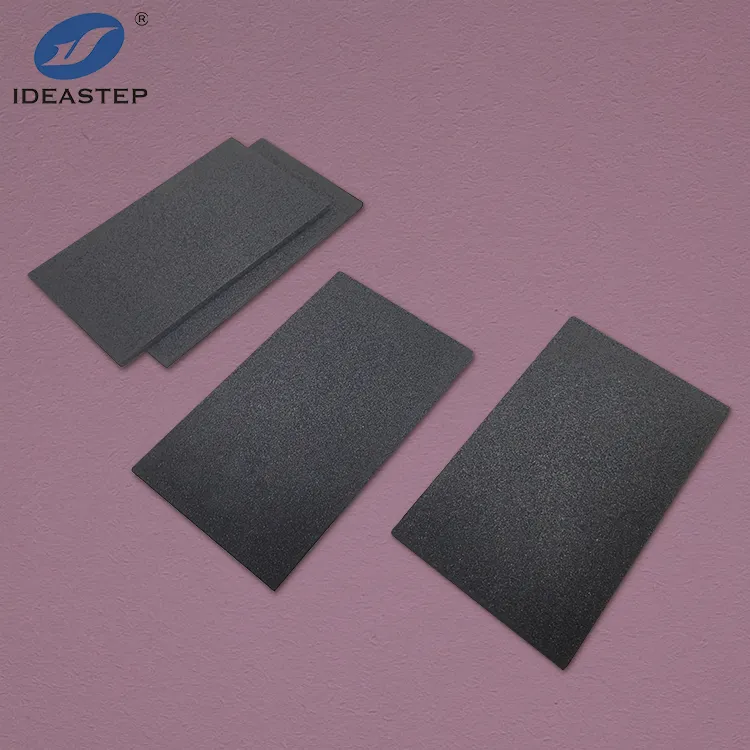
EVA (Ethylene Vinyl Acetate) is a lightweight foam material created through the copolymerization of ethylene and vinyl acetate. Due to its flexible cellular structure, EVA offers excellent cushioning, low weight, and processing flexibility, making it widely used in footwear manufacturing.
In shoe production, EVA is commonly applied in:
- Outsoles
- Midsoles
- Insoles
- Cushioning components
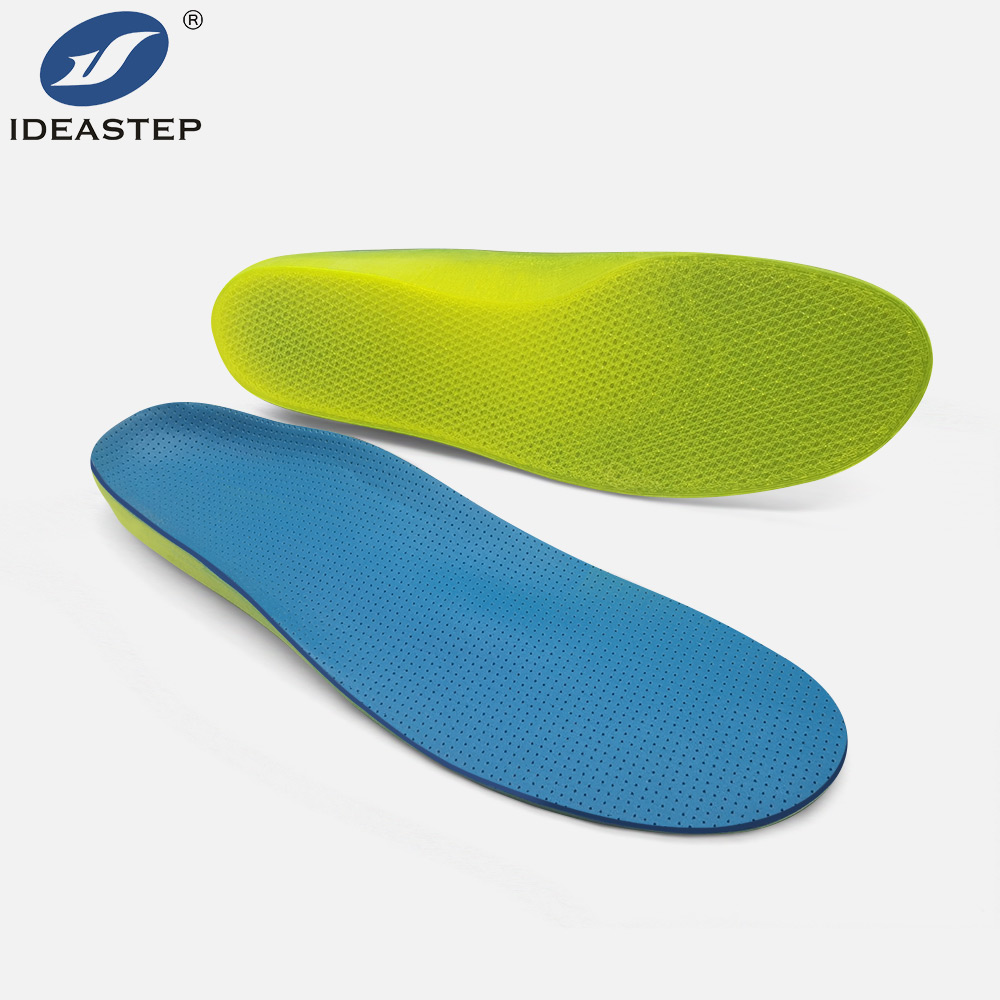
- Footwear inserts
Unlike traditional solid outsole materials, EVA foam contains numerous air cells inside its structure. These cells help reduce weight while providing cushioning performance during walking and movement.
Composition and Structure of EVA Material
The performance of EVA mainly depends on its material formulation and vinyl acetate content.
EVA consists of two main components:
- Ethylene: Provides strength, stability, and durability.
- Vinyl acetate: Improves flexibility, softness, and elasticity.
By adjusting the ratio of these components, manufacturers can develop EVA materials with different characteristics, including:
- Soft cushioning performance
- Higher structural support
- Improved resilience
- Different hardness levels
How EVA Foam Is Manufactured for Shoe Production
The performance of EVA outsole material depends not only on the raw material but also on manufacturing technology.
The typical production process includes:
- Material mixing and formulation adjustment
- Foaming process to create cellular structure
- Molding or compression processing
- Cutting and shaping according to footwear design
During production, factors such as foam expansion rate, density control, and formulation design influence the final properties of the material.
Why EVA Is Widely Used in Shoe Manufacturing
EVA has become a popular choice for footwear manufacturers because it provides a balanced combination of comfort, performance, and production efficiency.
Lightweight Performance for Comfortable Footwear
One of the biggest advantages of EVA is its lightweight structure.
Compared with heavier outsole materials, EVA helps reduce overall shoe weight, which can improve wearing comfort and reduce fatigue during long-term use.
This makes EVA especially suitable for:
- Running shoes
- Walking shoes
- Casual footwear
- Lifestyle footwear
Flexible Structure and Shock Absorption
Footwear needs to absorb repeated impact during walking and running. EVA provides effective cushioning by allowing controlled compression under pressure.
Its flexibility helps improve:
- Shock absorption
- Walking comfort
- Foot movement flexibility
For comfort-focused footwear, EVA offers a practical solution between softness and support.
Cost Efficiency for Large-Scale Production
For footwear manufacturers, production cost and efficiency are important considerations.
Compared with materials such as rubber or TPU, EVA usually provides advantages including:
- Lower material cost
- Easier processing
- Higher production efficiency
- Flexible customization options
Because of these advantages, EVA is widely used in OEM footwear projects, private label products, and large-volume shoe production.
Key Factors Affecting EVA Outsole Performance
Although EVA offers many advantages, its final performance depends heavily on material design and manufacturing control.
EVA Density
Density is one of the most important parameters affecting EVA performance.
Lower-density EVA usually provides:
- Lighter weight
- Softer cushioning
- Greater flexibility
Higher-density EVA generally provides:
- Better support
- Improved durability
- Higher structural stability
The correct density selection depends on the footwear application and expected performance requirements.
Hardness and Compression Resistance
EVA hardness affects both comfort and long-term performance.
Softer EVA can provide a more comfortable foot feel, while firmer EVA can offer stronger support and better shape retention.
For footwear manufacturers, the ideal hardness should balance:
- Cushioning
- Support
- Durability
Rebound Performance
Rebound performance describes how well EVA returns to its original shape after compression.
Good rebound properties help maintain:
- Walking comfort
- Energy response
- Long-term cushioning performance
Compression Set Resistance
Compression set refers to the ability of EVA foam to recover after being compressed for a period of time.
A material with better compression set resistance can maintain cushioning performance longer, especially in footwear designed for frequent daily use.
Common Challenges When Using EVA Outsole Materials
Although EVA is an excellent footwear material, it is not suitable for every application. Understanding its limitations helps manufacturers choose the right solution.
Lower Abrasion Resistance Compared With Rubber
Compared with rubber outsoles, EVA generally has lower abrasion resistance.
Therefore, footwear exposed to harsh environments or heavy wear may require:
- Higher-density EVA
- Material combinations
- Additional outsole protection
Long-Term Compression Considerations
Under continuous high pressure, EVA may experience changes in cushioning performance over time.
For applications requiring extended durability, manufacturers need to carefully evaluate:
- Foam density
- Material formulation
- Expected usage conditions
Heat Resistance Limitations
EVA performance can be affected under extreme temperatures.
For specialized applications involving high heat exposure, alternative materials or combined structures may be considered.
EVA vs Other Outsole Materials: What Should Manufacturers Choose?
EVA vs Rubber Outsoles
| EVA | Rubber |
|---|---|
| Lightweight | Higher abrasion resistance |
| Better cushioning | Better traction |
| Lower production cost | Higher material cost |
EVA is commonly selected for lightweight comfort footwear, while rubber is preferred for applications requiring maximum durability and grip.
EVA vs TPU Outsoles
| EVA | TPU |
|---|---|
| Better cushioning | Higher mechanical strength |
| Lower cost | Higher durability |
| Suitable for mass production | Suitable for demanding applications |
TPU is often used for premium performance footwear, while EVA remains popular for comfort-oriented and cost-sensitive products.
EVA vs PU Outsoles
Compared with PU, EVA generally offers:
- Lighter weight
- Softer cushioning
- Easier processing
PU may be preferred for applications requiring stronger wear resistance and long-term structural stability.
How to Choose the Right EVA Outsole Material for Shoe Production
Consider the Footwear Application
Different footwear categories require different EVA properties.
Manufacturers should evaluate whether the product is intended for:
- Sports footwear
- Casual shoes
- Work shoes
- Children’s footwear
Evaluate Material Specifications
Important EVA specifications include:
- Density
- Hardness
- Rebound rate
- Compression set
- Tensile strength
Understanding these parameters helps manufacturers select materials that match product requirements.
Select an Experienced EVA Material Supplier
A reliable supplier should provide more than standard EVA materials.
Important capabilities include:
- Material customization
- Technical support
- Stable quality control
- Large-volume production capability
Custom EVA Solutions for Shoe Manufacturers
Different footwear brands have different performance requirements. Professional EVA suppliers can customize materials according to product positioning.
Customization options may include:
- Custom density
- Custom hardness
- Color adjustment
- Thickness customization
- Special foam formulations
These options allow manufacturers to develop footwear products with unique performance characteristics.
Why Work With Professional EVA Material Manufacturers?
Stable Material Quality Control
Professional manufacturers should conduct testing related to:
- Density consistency
- Hardness stability
- Compression performance
- Material durability
Technical Support for Product Development
Experienced EVA suppliers can support footwear companies with:
- Material recommendations
- Prototype evaluation
- Application guidance
Reliable Bulk Production Capability
For footwear manufacturers, stable supply is essential for successful product launches.
A professional EVA supplier should be able to support:
- Large-volume orders
- Consistent production quality
- International cooperation
Ideastep provides customized EVA material solutions and footwear components for global footwear companies, helping customers develop products with reliable performance and stable supply support.
Frequently Asked Questions About EVA Outsole Material
Is EVA a good material for shoe soles?
Yes. EVA is widely used for shoe soles because it offers lightweight performance, cushioning, flexibility, and cost efficiency. However, the right EVA formulation should be selected according to the specific application.
What EVA density is commonly used for footwear?
The ideal EVA density depends on the footwear category and required performance. Sports shoes, casual shoes, and work footwear may require different density levels.
Can EVA outsole materials be customized?
Yes. EVA can be customized in terms of density, hardness, color, thickness, and foam structure to meet different footwear requirements.
Can EVA materials support OEM footwear production?
Yes. EVA is widely used in OEM footwear projects because it supports flexible customization and efficient large-scale manufacturing.
Final Thoughts: Why EVA Remains a Popular Choice for Shoe Production
EVA continues to be an important material in footwear manufacturing because it provides a practical balance between lightweight performance, flexibility, cushioning, and production efficiency.
For shoe brands and manufacturers, selecting the right EVA outsole material requires careful consideration of density, hardness, application requirements, and supplier capability.
With proper material selection and professional manufacturing support, EVA can help footwear companies develop products that deliver better comfort, reliable performance, and stronger market competitiveness.