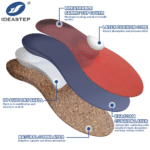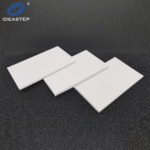
EVA material is widely used in footwear, sports equipment, medical products, packaging, and industrial applications. From shoe midsoles and insoles to protective foam components, EVA has become one of the most commonly selected foam materials.
However, when choosing materials, many buyers ask an important question: Is EVA material strong?
The answer depends on how strength is defined. EVA is not designed to compete with rigid materials such as metal or hard plastics in terms of structural strength. Instead, its advantage lies in achieving a balanced combination of flexibility, cushioning, impact resistance, and long-term durability.
For applications such as footwear and orthotic products, EVA provides sufficient support while maintaining a lightweight and comfortable structure. By adjusting density, hardness, and formulation, manufacturers can develop EVA materials for different performance requirements.
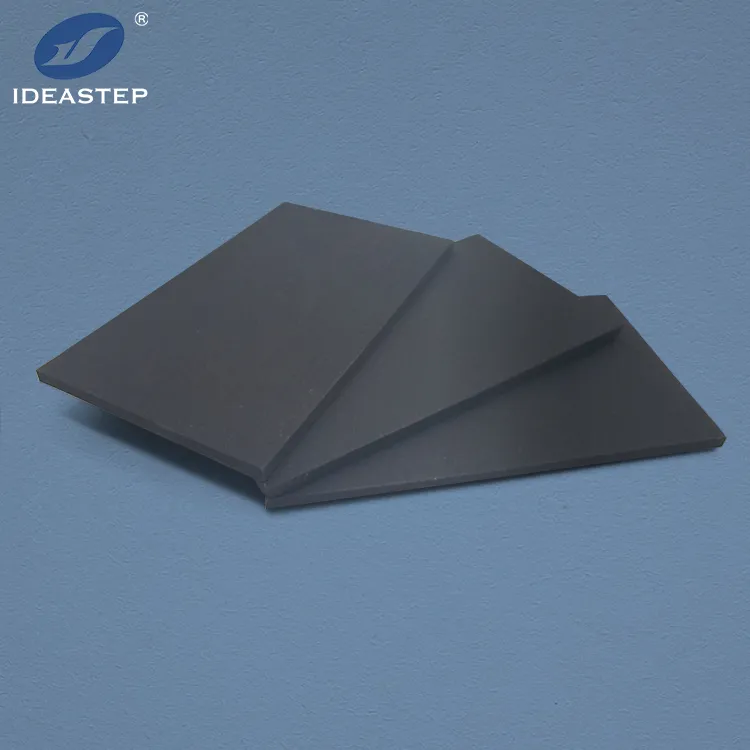
What Is EVA Material?
EVA, short for Ethylene Vinyl Acetate, is a copolymer made from ethylene and vinyl acetate. The ratio of these two components directly affects the flexibility, softness, and mechanical properties of the final material.
During production, EVA is expanded into a foam structure with numerous closed cells. These small air-filled cells give EVA its characteristic properties, including:
- Lightweight construction
- Shock absorption
- Flexible response
- Water resistance
- Thermal insulation
Unlike solid plastic materials, EVA foam relies on its cellular structure to absorb external forces. This makes it particularly suitable for products that require both comfort and mechanical performance.
How Strong Is EVA Material?
The strength of EVA foam should be evaluated through several performance indicators, including compression resistance, flexibility, impact absorption, and durability.
EVA Provides Reliable Compression Resistance
One of the most important characteristics of EVA is its ability to withstand repeated compression.
In footwear applications, EVA components experience thousands of compression cycles during walking, running, or standing. A properly formulated EVA foam can maintain its cushioning properties and structural support over extended periods.
However, EVA compression performance is closely related to its density and formulation.
Generally:
- Lower-density EVA provides a softer feel and better initial cushioning.
- Higher-density EVA offers improved support and better resistance to deformation.
This is why different footwear applications require different EVA specifications. A soft comfort insole and a supportive orthotic insert usually use different density and hardness combinations.
EVA Offers Excellent Flexibility and Fatigue Resistance
Strength is not only about hardness. For flexible products, the ability to withstand repeated movement is equally important.
EVA foam has good flexibility and fatigue resistance, allowing it to bend repeatedly without cracking under normal conditions. This characteristic makes it suitable for products exposed to continuous movement, including:
- Running shoes
- Work footwear
- Sports equipment
- Orthotic insoles
In footwear manufacturing, EVA needs to provide enough flexibility for natural foot movement while maintaining adequate support throughout the product lifespan.
EVA Provides Effective Impact Absorption
Another reason EVA is widely used in footwear is its ability to absorb impact energy.
During walking and running, the heel and forefoot experience repeated impact forces. EVA foam helps reduce these forces by compressing and distributing pressure through its cellular structure.
This property helps improve:
- Walking comfort
- Shock protection
- Long-term standing comfort
- Sports performance
For people who spend many hours on their feet, properly selected EVA materials can help reduce pressure accumulation and improve overall wearing experience.
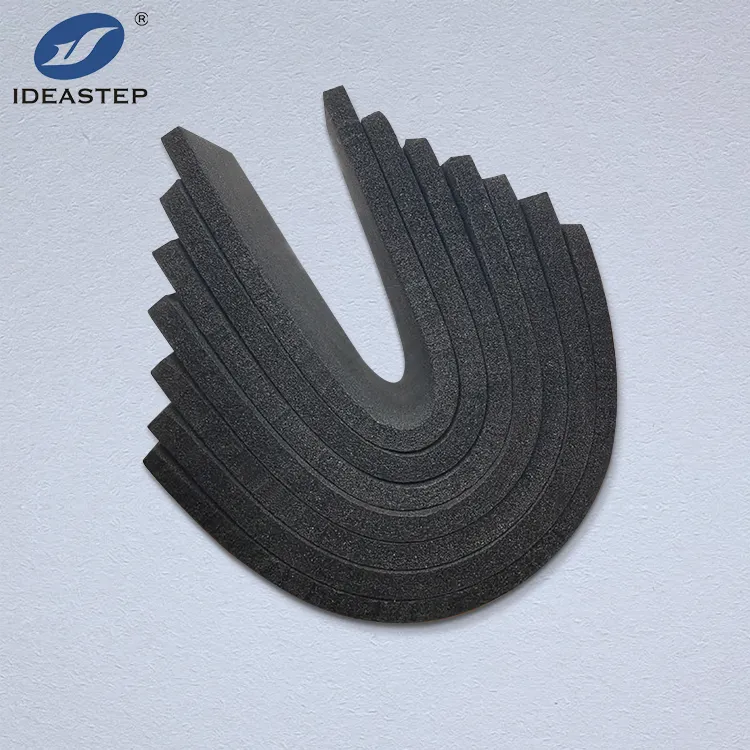
What Factors Affect EVA Material Strength?
The performance of EVA is not determined by the material name alone. Different EVA formulations can have significant differences in strength and durability.
EVA Density
Density is one of the key factors influencing EVA performance.
Higher-density EVA generally provides:
- Better structural support
- Higher compression resistance
- Improved durability
Lower-density EVA usually provides:
- Softer cushioning
- Lower weight
- Better flexibility
For example, EVA used in a casual shoe insole may prioritize softness, while EVA used in an orthotic insole requires higher density to provide long-term support.
EVA Hardness
Hardness affects the firmness and support level of EVA foam.
EVA hardness is commonly measured using Shore C hardness testing. Different hardness levels are selected according to application requirements.
Typical applications include:
- Soft EVA: Comfort cushioning and lightweight footwear.
- Medium hardness EVA: General shoe insoles and sports footwear.
- Firm EVA: Orthotic support products and applications requiring greater stability.
A higher hardness value does not always mean better performance. The correct hardness depends on the balance between comfort and support.
Foam Structure and Manufacturing Technology
The manufacturing process also plays an important role in EVA performance.
Factors such as:
- Foam cell uniformity
- Cross-linking technology
- Material formulation
- Processing control
can influence:
- Compression recovery
- Rebound performance
- Aging resistance
- Overall durability
For B2B buyers, material consistency is especially important because stable EVA quality directly affects the performance of finished products.
Is EVA Stronger Than Other Materials?
The answer depends on the application. EVA is designed for lightweight cushioning and flexibility, while other materials may perform better in specific areas.
EVA vs Rubber
| Property | EVA | Rubber |
|---|---|---|
| Weight | Lightweight | Heavier |
| Cushioning | Excellent | Moderate |
| Flexibility | High | Good |
| Abrasion Resistance | Moderate | Higher |
| Typical Use | Insoles, midsoles | Outsoles |
EVA is often selected when comfort and lightweight performance are priorities.
EVA vs PU Foam
| Property | EVA | PU Foam |
|---|---|---|
| Weight | Lightweight | Heavier |
| Cushioning | Excellent | Good |
| Flexibility | Higher | Moderate |
| Long-term Support | Good | Very Good |
| Processing | Easier | More complex |
EVA is widely preferred for sports footwear, foam insoles, and applications requiring flexibility, while PU is often chosen where higher structural stability is required.
How Durable Is EVA Material?
The service life of EVA depends on several factors:
- Material density
- Usage frequency
- Load conditions
- Environmental temperature
- Product design
For example, a lightweight EVA foam used in daily footwear may gradually lose some cushioning after continuous use. In contrast, a higher-density EVA component designed for industrial or orthopedic applications can provide longer-lasting support.
Choosing the correct EVA specification is essential for achieving the expected durability.
Advantages and Limitations of EVA Foam
Advantages of EVA
Lightweight
EVA provides cushioning performance without adding unnecessary weight.
Flexible
It supports natural movement and improves wearing comfort.
Shock Absorbing
Its cellular structure helps reduce impact forces.
Water Resistant
Closed-cell EVA foam absorbs very little moisture compared with open-cell materials.
Easy to Customize
EVA can be manufactured in different densities, thicknesses, colors, and hardness levels.
Limitations of EVA
- Lower heat resistance compared with some engineering plastics
- Compression deformation may occur under extremely high and continuous loads
- Not suitable for applications requiring very high structural strength
Therefore, material selection should always consider the actual working environment and performance requirements.
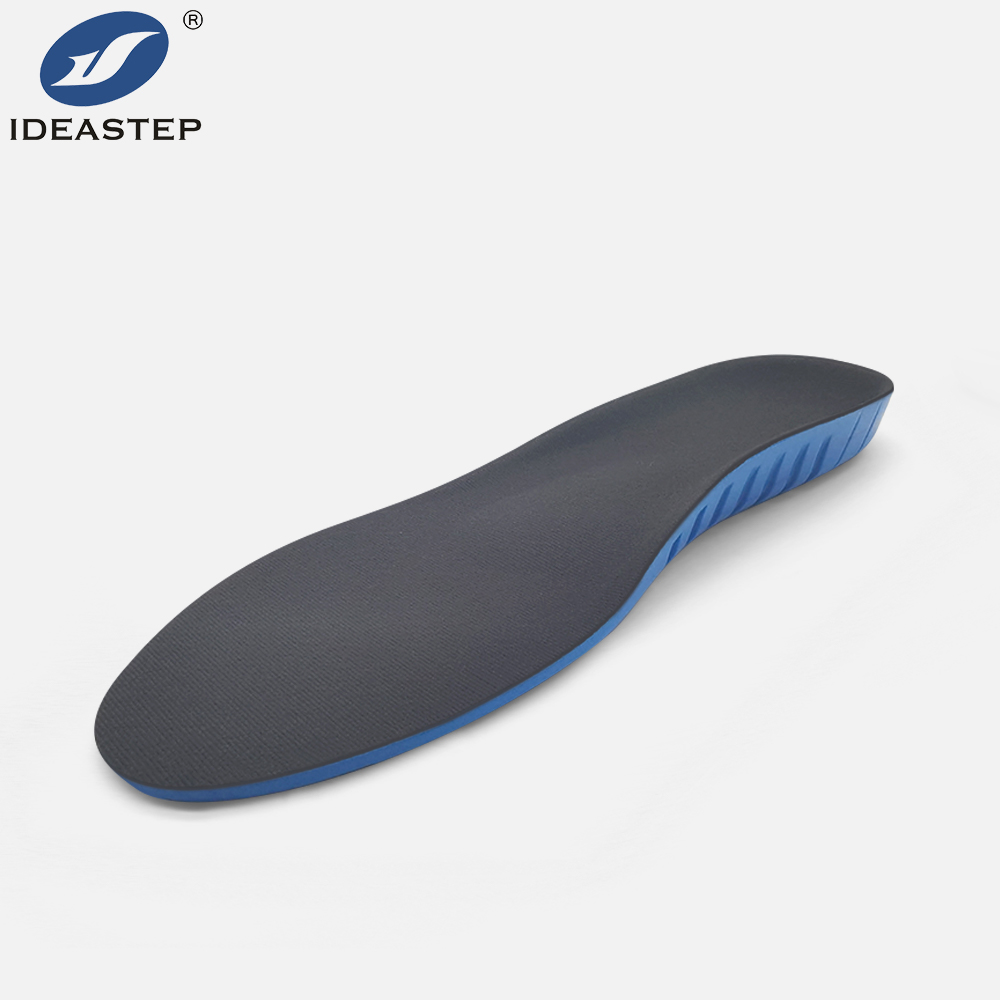
Is EVA Material Strong Enough for Footwear Applications?
For footwear manufacturing, EVA offers a practical balance between cushioning, support, and durability.
It is commonly used in:
- Running shoes
- Sports footwear
- Work boots
- Safety shoes
- Orthotic insoles
- Medical footwear
For manufacturers and distributors, the key is selecting the right EVA specification rather than simply choosing the hardest material.
A properly designed EVA structure can provide:
- Comfortable cushioning
- Stable support
- Reduced impact
- Reliable service life
How to Choose the Right EVA Material?
When sourcing EVA foam for production, buyers should evaluate:
- Density
- Hardness
- Compression resistance
- Compression set
- Rebound rate
- Thickness
- Intended application
For footwear and orthotic products, the best EVA material is not necessarily the hardest option. The ideal choice is the one that delivers the right balance of comfort, support, durability, and processing performance.
Conclusion: Is EVA Material Strong?
So, is EVA material strong?
Yes. EVA is strong enough for many applications that require lightweight construction, flexibility, cushioning, and durability. While it is not a high-strength structural material, its balanced performance makes it one of the most valuable foam materials in footwear and related industries.
For EVA insoles, midsoles, and orthotic products, selecting the appropriate density, hardness, and formulation is the key to achieving reliable performance and long-term durability.
Related product links: https://www.aideastep.com/product/ideastep-c-2-soft-eva-sheet-for-custom-orthotic-insoles-lightweight-high-comfort-foam-material/.