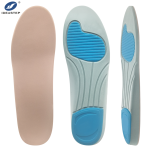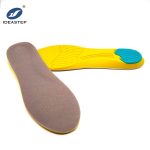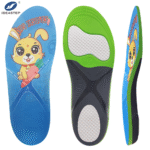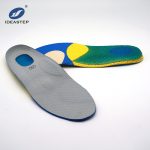
If you have flat feet, standing or walking for long periods may place additional stress on the arch and heel. Choosing the right insole is not simply about finding the softest cushioning—it is about achieving the right balance of arch support, stability, shock absorption, and comfort.
While orthotic insoles are not a treatment for plantar fasciitis, they can help improve everyday comfort by supporting the foot’s natural structure and distributing pressure more evenly. This guide explains what features matter most and how to choose an insole that suits your needs.
Why Proper Support Matters
Your foot arch acts as a natural shock absorber, helping distribute body weight and maintain stability during walking. People with flat feet often have less natural arch support, which may increase pressure on the plantar fascia and heel over time.
A well-designed orthotic insole supports the natural shape of the foot rather than forcing it into an unnatural position. By improving pressure distribution and heel stability, it can make standing and walking more comfortable throughout the day.
The goal is not to provide the highest arch possible, but to offer the right level of support for the individual foot type and daily activity.
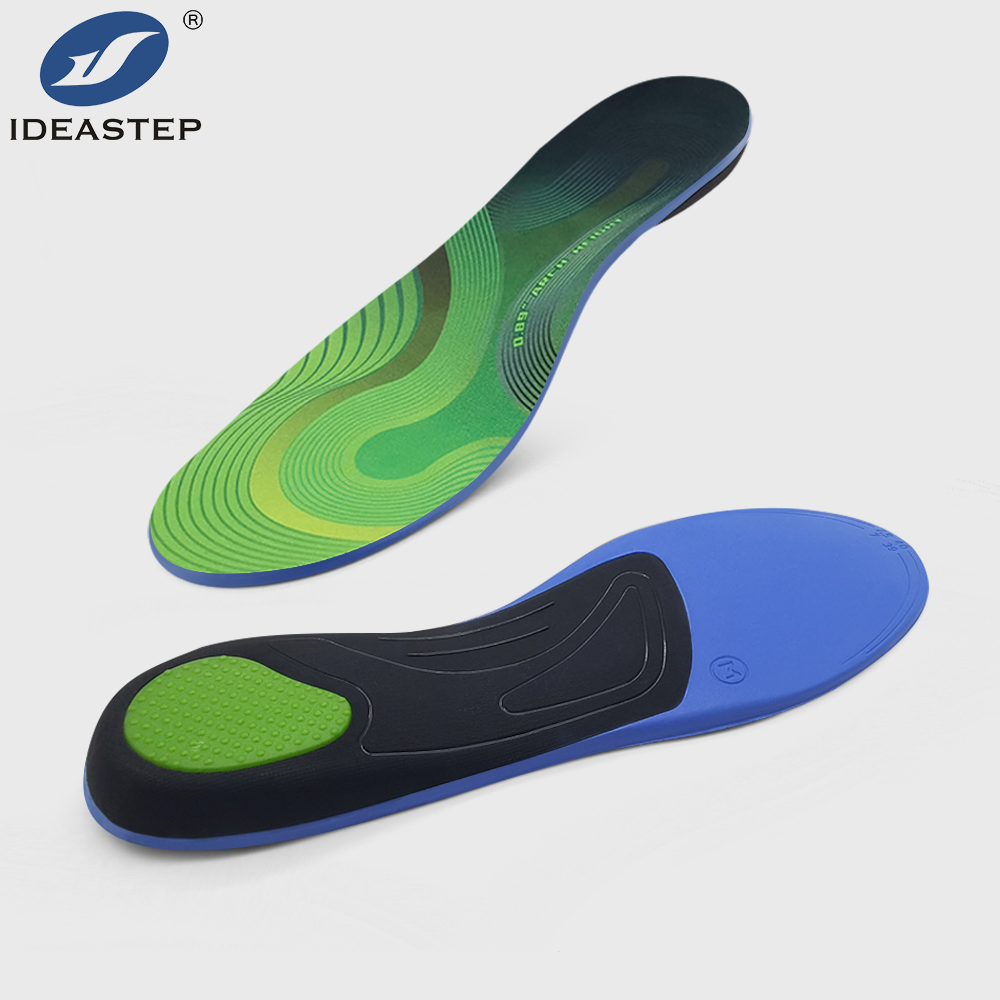
What Features Should a Good Orthotic Insole Have?
Proper Arch Support
Arch support is the core feature of an orthotic insole. A properly contoured arch helps distribute pressure more evenly, improves stability, and supports natural foot movement.
Support should match the shape of the foot. Excessive arch height may create additional pressure instead of improving comfort.
Heel Cup Stability
A deep heel cup helps keep the heel in a stable position inside the shoe. This improves weight distribution during walking and reduces unnecessary foot movement.
For people who spend long hours on their feet, heel stability is just as important as arch support.
Shock Absorption
Walking and standing generate continuous impact on the feet. Good cushioning materials help absorb part of this force, improving comfort during daily activities.
Effective shock absorption depends on both the material and the overall insole design—not simply on how soft the insole feels.
Breathable Materials
Comfort also depends on temperature and moisture control.
Breathable mesh fabrics and moisture-wicking top covers help improve airflow inside the shoe, keeping feet drier during long periods of wear.
Why EVA Is Widely Used in Orthotic Insoles
EVA (Ethylene Vinyl Acetate) is one of the most widely used materials in professional orthotic insoles because it combines lightweight performance with reliable cushioning and durability.
By adjusting its hardness and density, manufacturers can develop EVA insoles for different applications, including everyday footwear, sports shoes, work boots, and orthopedic products.
Its versatility also makes EVA an excellent choice for customized OEM and ODM insole manufacturing.
Soft Insoles vs Orthotic Insoles
| Feature | Soft Comfort Insoles | Orthotic Insoles |
|---|---|---|
| Primary Purpose | Cushioning | Support and cushioning |
| Arch Support | Limited | Structured support |
| Heel Stability | Basic | Enhanced |
| Pressure Distribution | Basic | Improved |
| Best For | Everyday comfort | Flat feet and support needs |
Soft insoles mainly provide a comfortable underfoot feel, while orthotic insoles combine cushioning with structural support to improve overall foot stability.
How to Choose the Right Insole
When selecting an insole, consider these three factors:
- Your foot type: Flat feet generally require more structured arch support than standard comfort insoles.
- Your daily activities: Walking, running, standing at work, and hiking place different demands on an insole.
- Material quality: Durable materials such as EVA provide more consistent support and cushioning over time.
Choosing an insole that matches both your foot and your footwear will usually deliver better comfort than selecting one based only on softness.
OEM and ODM Orthotic Insole Solutions
For footwear brands, distributors, and healthcare companies, choosing the right manufacturing partner is just as important as selecting the right design.
Professional manufacturers can customize:
- EVA density and hardness
- Arch support profile
- Heel cup design
- Surface materials
- Logo and packaging
Customized solutions help brands develop products that meet the needs of different markets while maintaining consistent product quality.
Frequently Asked Questions
Are arch support insoles suitable for flat feet?
Many people with flat feet choose arch support insoles because they provide additional stability and improve pressure distribution during everyday activities.
What material is best for orthotic insoles?
EVA is one of the most popular choices due to its lightweight structure, durability, cushioning performance, and flexibility for customization.
Can orthotic insoles be customized?
Yes. Manufacturers can customize the material, support level, thickness, surface fabric, branding, and packaging according to different product requirements.
Conclusion
The best insoles for flat feet and plantar fasciitis combine more than soft cushioning. A quality orthotic insole should provide proper arch support, heel stability, effective shock absorption, and breathable materials to improve everyday comfort and reduce pressure during walking or standing.
For footwear brands and distributors, partnering with an experienced manufacturer ensures access to customized insole solutions that combine ergonomic design with high-quality EVA materials. At Ideastep, we provide OEM and ODM orthotic insole manufacturing services tailored to different markets, helping customers develop reliable foot care products with consistent quality.
Related product links: https://www.aideastep.com/product/jf-1842-13-arch-support-insoles/.