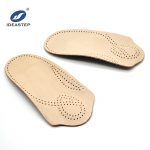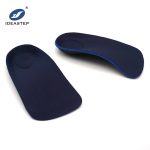
As demand for functional footwear continues to grow, footwear brands, podiatry clinics, and orthopedic product distributors are placing greater emphasis on product quality and manufacturing consistency. A high-performance orthotic insole depends not only on its design but also on how it is engineered, tested, and manufactured.
At Ideastep, we follow a structured orthotic insole manufacturing process that transforms product concepts into reliable, market-ready solutions. From material selection and prototype development to mass production and quality control, every stage is carefully managed to ensure consistent comfort, support, and durability.
Why the Manufacturing Process Matters
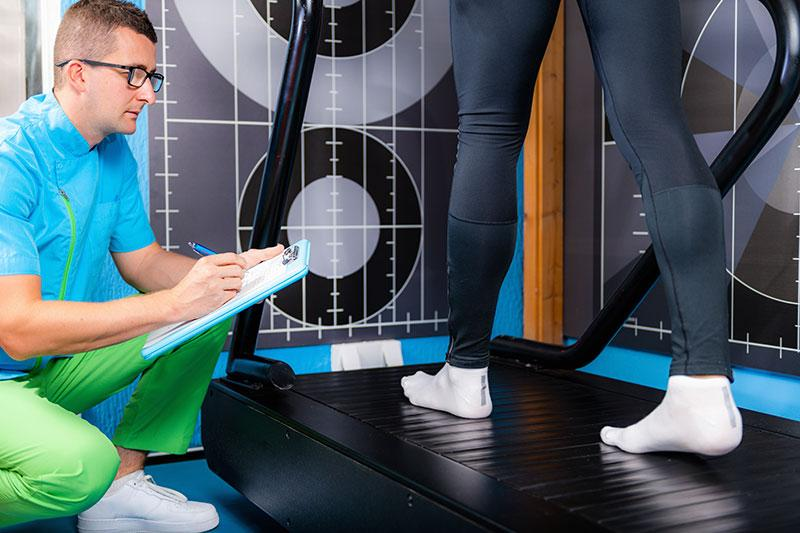
An orthotic insole is more than a cushioning layer inside a shoe. Its ability to provide support and maintain long-term performance depends on precise engineering and consistent manufacturing.
In our experience, products made with similar materials can perform very differently if production standards are inconsistent. Small variations in EVA density, arch geometry, molding temperature, or bonding quality may significantly affect comfort, durability, and overall user satisfaction.
For footwear brands, a standardized manufacturing process helps deliver:
- Consistent product quality across production batches
- Reliable support and cushioning performance
- Faster product development and approval
- Lower production risks and fewer quality issues
- Greater flexibility for OEM and ODM projects
Step 1: Requirement Analysis and Product Design
Every successful project begins with a clear understanding of the product’s intended application. Before creating samples or selecting materials, our engineering team works closely with customers to understand their technical and commercial requirements.
Project discussions typically include:
- Footwear category
- Target users
- Foot support requirements
- Performance expectations
- Material preferences
- Brand positioning and packaging requirements
Customers may provide foot scans, CAD files, physical samples, or concept drawings. Based on this information, we develop an insole structure that balances biomechanics, manufacturing efficiency, and product cost.
These early decisions form the foundation of the entire manufacturing process and help reduce development time while improving product accuracy.
Step 2: Selecting the Right Materials
Material selection is one of the most important stages in orthotic insole development. Rather than simply choosing the softest material, we evaluate density, hardness, rebound, compression resistance, and durability according to the intended footwear application.
EVA Foam
EVA remains one of the most widely used materials for custom orthotic insoles because it offers an excellent balance of lightweight cushioning, flexibility, and durability.
By adjusting EVA density and hardness, manufacturers can develop insoles for different applications, including sports footwear, everyday comfort shoes, work boots, and orthopedic products.
Structural Reinforcement
For projects requiring additional stability, TPU shells or reinforced support components can be incorporated into the design to improve arch support and foot control without adding excessive weight.
Top Cover Materials
The top layer influences both comfort and user experience. Depending on the project, customers can choose breathable mesh fabrics, antibacterial textiles, moisture-management materials, or premium velvet finishes.
Selecting the right material combination ensures the finished product performs as intended while matching the positioning of the footwear brand.
Step 3: Prototype Development and Design Refinement
Before mass production begins, prototype samples are produced for evaluation. This stage allows both our engineers and customers to verify that the design performs as expected in real footwear.
Prototype evaluation focuses on:
- Fit inside the shoe
- Arch support position
- Heel cup alignment
- Cushioning performance
- Material feel
- Overall comfort
In many projects, prototype testing identifies opportunities for refinement that are difficult to predict during digital design. Small adjustments to arch height, heel cup geometry, edge transitions, or EVA hardness often result in noticeable improvements in comfort and stability.
Making these refinements before production helps reduce manufacturing risks and improves the final product.
Step 4: Performance Testing and Validation
Before approving a product for production, samples undergo a series of inspections to verify that they meet the required specifications.
Typical evaluations include:
- Material hardness testing
- Density verification
- Compression resistance testing
- Dimensional accuracy inspection
- Bonding strength evaluation
- Visual quality assessment
These tests help ensure that the product maintains consistent performance throughout its expected service life.
Step 5: Mass Production
After sample approval, production moves to full-scale manufacturing using standardized operating procedures.
Depending on the product design, manufacturing may include:
- Material cutting
- Heat molding
- CNC machining
- Layer lamination
- Edge trimming
- Surface finishing
Each production stage follows documented process controls to ensure consistency across every production batch.
For OEM projects, production planning is coordinated with customers’ launch schedules to ensure reliable delivery without compromising quality.
Step 6: Quality Control Throughout Production
Quality control is integrated into every stage of manufacturing rather than being performed only after production is complete.
Our inspection process focuses on:
- Material consistency
- Dimensional accuracy
- Bonding quality
- Surface appearance
- Finished product performance
One of the biggest challenges in large-scale production is maintaining consistency from the first pair to the last. Continuous process monitoring allows us to identify potential issues early and maintain stable product quality throughout production.
OEM and ODM Customization Services
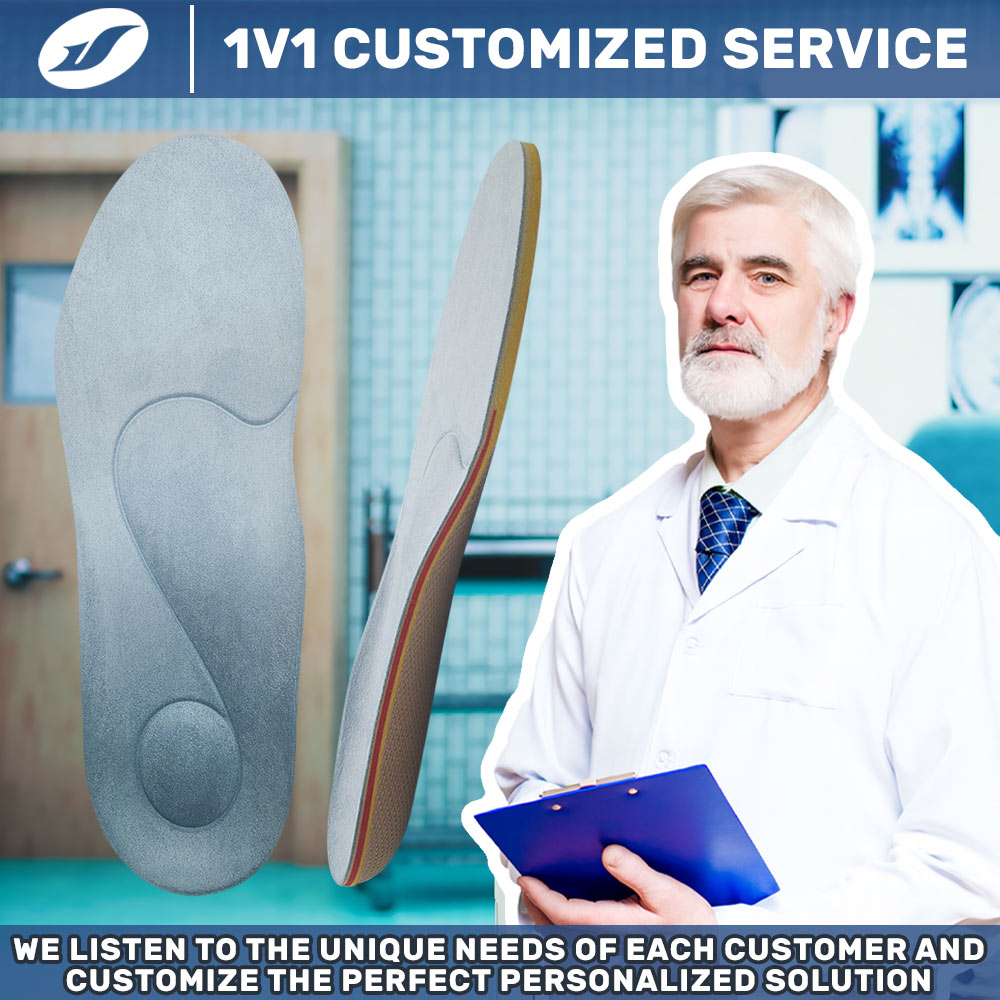
Every footwear brand has different product goals, customer groups, and market positioning. Our OEM and ODM services are designed to provide flexible manufacturing solutions for a wide range of applications.
Customization options include:
- Arch support height
- EVA density and hardness
- Material combinations
- Top cover fabrics
- Colors and finishes
- Logo printing
- Private label packaging
Beyond manufacturing, we also assist customers with material recommendations, prototype optimization, and production planning, helping shorten product development cycles and improve project efficiency.
Why Choose Ideastep as Your Orthotic Insole Manufacturer?
Manufacturing high-quality orthotic insoles requires more than advanced equipment. It requires experience in biomechanics, materials engineering, and production management.
With decades of manufacturing experience, Ideastep provides:
- Professional OEM and ODM development
- Extensive expertise in EVA and orthopedic materials
- Experienced engineering and R&D support
- Stable production capacity
- Strict quality management systems
- Reliable sample development and technical support
Our goal is to help customers develop orthotic insoles that combine comfort, durability, and consistent manufacturing quality.
Frequently Asked Questions
Can you manufacture orthotic insoles based on our design?
Yes. We can manufacture custom orthotic insoles using your drawings, CAD files, foot scans, physical samples, or product concepts while providing engineering recommendations when needed.
What materials do you recommend for orthotic insoles?
The material depends on the application. EVA is commonly used for lightweight cushioning, while TPU reinforcement and premium top covers can be added for greater support and durability.
Do you provide prototype samples before mass production?
Yes. Sample development is an essential part of our manufacturing process, allowing customers to evaluate fit, comfort, and performance before approving production.
Can you provide private label OEM services?
Yes. We offer OEM and ODM solutions, including logo printing, customized materials, packaging, and branding for footwear brands and distributors.
Conclusion
A reliable orthotic insole manufacturing process is built on careful planning, appropriate material selection, precision engineering, and consistent quality control. Every stage, from design and prototyping to production and inspection, contributes to the performance and reliability of the finished product.
Whether you are developing a new orthotic insole collection or looking for a long-term OEM manufacturing partner, Ideastep is ready to support your project from concept to production.
Contact our team today to discuss your requirements, request product samples, and explore customized orthotic insole manufacturing solutions for your brand.