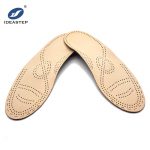
As consumers place greater emphasis on foot health and everyday comfort, footwear brands are investing more in functional insole technologies that improve the wearing experience. Among these solutions, heel cushion inserts for plantar fasciitis have become an increasingly popular option for work shoes, athletic footwear, orthopedic products, and comfort shoe collections.
However, designing an effective heel cushion insert involves much more than adding a soft pad beneath the heel. Long-term comfort depends on biomechanical support, proper pressure distribution, carefully selected materials, and consistent manufacturing quality. For footwear brands, a well-designed heel insert not only enhances product performance but also creates greater value in an increasingly competitive market.
As an experienced OEM and ODM orthotic insole manufacturer, Ideastep works with footwear brands, distributors, and medical product companies to develop customized heel cushion solutions tailored to different footwear categories and market requirements.
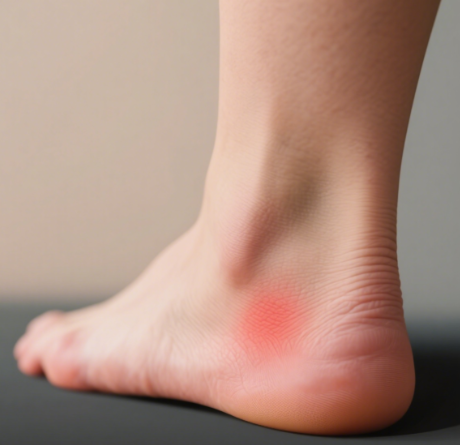
Why Heel Pain Is Common in Plantar Fasciitis
The plantar fascia is a strong band of connective tissue that extends from the heel bone to the forefoot. It supports the arch and helps absorb impact during walking and running. Repeated stress or excessive loading can cause small tears in the tissue, leading to inflammation and the characteristic heel pain associated with plantar fasciitis.
For many people, discomfort is most noticeable during the first steps in the morning or after long periods of sitting. Factors that commonly increase heel stress include:
- Standing or walking for extended periods
- High-impact activities
- Poorly fitting footwear
- Flat feet or high arches
- Excess body weight
- Age-related changes in soft tissue
Understanding these factors helps footwear brands develop products that better address user comfort while supporting healthy foot function.
How Heel Loading Affects the Plantar Fascia
Every step begins with heel strike. When the heel contacts the ground, impact forces travel through the heel bone and into the plantar fascia. If these forces are repeatedly concentrated in the same area, the tissue experiences greater mechanical stress, increasing the risk of irritation and discomfort.
A properly engineered heel cushion insert helps reduce this stress by absorbing part of the impact and distributing pressure more evenly across the heel. Rather than eliminating force, the goal is to manage it more efficiently while improving overall walking comfort.
For footwear manufacturers, this biomechanical approach is often more effective than relying on softness alone.
How Heel Cushion Inserts Help Relieve Heel Discomfort
Reduce Heel Impact
Cushioning materials absorb part of the ground reaction force generated during walking and standing, helping reduce repeated impact on the heel.
Improve Pressure Distribution
A well-designed heel insert spreads pressure across a larger surface area instead of concentrating it beneath one point of the heel.
Enhance Walking Comfort
Combining cushioning with ergonomic design creates a smoother heel-to-toe transition, improving comfort during daily activities.
Support Everyday Footwear Performance
Heel cushion inserts can improve the wearing experience across multiple footwear categories while maintaining the original fit of the shoe.
It is important to note that heel cushion inserts are designed to improve comfort and reduce heel stress. They are not intended to diagnose, treat, or cure plantar fasciitis.
Why Cushioning Alone Isn’t Enough
One common misconception is that softer always means better. In reality, extremely soft materials may compress quickly under repeated use, reducing both stability and long-term support.
Professional heel cushion inserts are usually developed as part of a complete support system rather than as a standalone soft pad. A balanced design typically combines:
- Heel cushioning to reduce impact
- Arch support to reduce stress on the plantar fascia
- A stable base for improved foot alignment
- Durable materials that maintain performance over time
In our experience, products that combine cushioning with proper structural support consistently deliver better long-term comfort than those relying solely on soft materials.
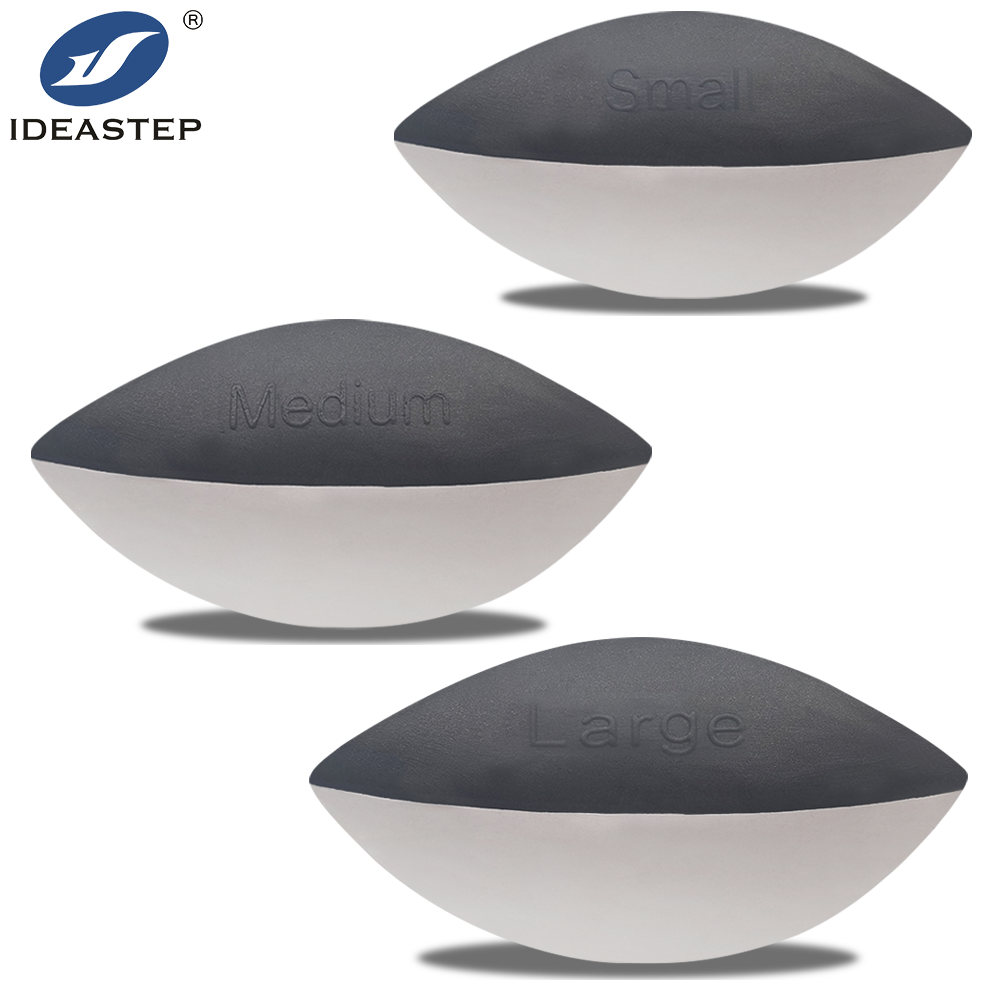
Choosing Materials for Heel Cushion Inserts
Material selection directly influences comfort, durability, and product performance. Instead of selecting the softest material available, manufacturers should consider density, rebound, compression resistance, and long-term durability.
Memory Foam
Memory foam conforms to the heel and provides a soft, pressure-relieving feel. It is widely used in comfort-focused footwear but performs best when supported by structural materials.
EVA Foam
EVA offers lightweight cushioning, excellent shock absorption, and reliable durability. Different densities allow manufacturers to customize comfort levels for various footwear applications.
Gel Cushioning
Gel pads are often positioned beneath the heel to absorb localized impact and improve comfort during prolonged standing or walking.
Multi-Layer Construction
Many premium products combine memory foam, EVA, gel components, and supportive base layers into one integrated structure. Combining materials allows manufacturers to optimize comfort, durability, and support for specific footwear applications.
Selecting the Right Heel Cushion Design for Different Footwear
Different footwear categories require different cushioning strategies.
Work Shoes
Higher-density EVA combined with heel cushioning provides durability and reliable support during long working hours.
Running Shoes
Running footwear typically emphasizes responsive cushioning and efficient shock absorption during repetitive movement.
Safety Boots
Safety footwear benefits from reinforced structures that balance protection, stability, and long-term comfort.
Orthopedic Footwear
Orthopedic products often combine heel cushioning with customized arch support and heel cup designs to improve pressure distribution and foot alignment.
Common Mistakes When Choosing Heel Cushion Inserts
Choosing Thickness Over Function
Thicker inserts may improve initial cushioning but can negatively affect shoe fit and overall stability.
Focusing Only on Softness
Materials that are too soft may lose their supportive properties after repeated compression.
Ignoring Arch Support
Heel cushioning alone may not adequately reduce stress on the plantar fascia. Combining heel cushioning with appropriate arch support generally produces better overall performance.
OEM Customization Options
Every footwear brand has unique performance goals and product positioning. OEM customization allows manufacturers to develop heel cushion inserts that meet these specific requirements.
Customization options include:
- Heel cushioning thickness
- EVA density and hardness
- Memory foam thickness
- Gel pad positioning
- Arch support height
- Heel cup geometry
- Top cover materials
- Custom colors
- Logo printing
- Private label packaging
Our engineering team also assists customers with material recommendations, prototype optimization, and structural improvements based on footwear category, target users, and market positioning.
From Design to Manufacturing
A successful heel cushion insert begins with a structured development process.
The typical workflow includes:
- Requirement analysis
- Material selection
- Structural design
- Prototype development
- Performance testing
- Product refinement
- Mass production
This process helps reduce development risks while ensuring the final product meets both technical and commercial requirements.
Quality Control for Heel Cushion Inserts
Maintaining consistent quality is essential for OEM manufacturing. Quality control extends beyond the finished product and includes continuous monitoring throughout production.
Inspection procedures commonly include:
- Material density verification
- Hardness testing
- Compression resistance evaluation
- Thickness inspection
- Bonding quality inspection
- Finished product evaluation
Consistent quality control helps ensure stable product performance across every production batch.
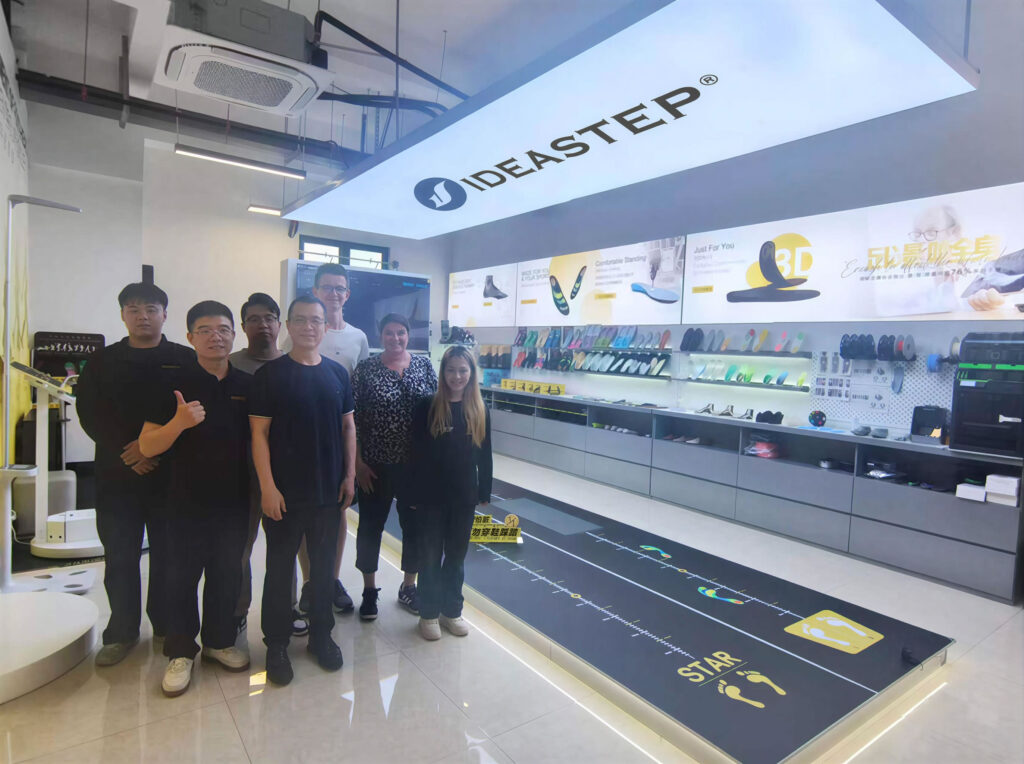
Why Choose Ideastep as Your OEM Partner?
With decades of experience in orthotic insole manufacturing, Ideastep provides customized heel cushion solutions for footwear brands worldwide.
Our capabilities include:
- Custom orthopedic insole development
- Heel cushion insert design
- EVA and multi-layer foam manufacturing
- Private label production
- Large-scale OEM and ODM manufacturing
- Engineering and technical support
Whether you are launching a new comfort footwear collection or upgrading an existing product line, our team can help transform your concept into a reliable, production-ready solution.
Frequently Asked Questions
Do heel cushion inserts cure plantar fasciitis?
No. They are designed to improve comfort and reduce heel impact, but they should not be considered a medical treatment.
Can heel cushion inserts be combined with arch support?
Yes. Combining heel cushioning with arch support is a common approach for improving pressure distribution and overall foot stability.
What is the difference between EVA and gel heel cushions?
EVA provides lightweight cushioning and structural support, while gel primarily improves localized shock absorption. Many premium products combine both materials.
Can heel cushion inserts be customized?
Yes. OEM manufacturers can customize materials, dimensions, support structures, branding, and packaging according to customer requirements.
Develop Custom Heel Cushion Inserts with Ideastep
Effective heel cushion inserts combine biomechanics, material engineering, and precision manufacturing to deliver long-term comfort and reliable performance.
Ideastep provides complete OEM and ODM solutions for footwear brands seeking customized heel cushion inserts for plantar fasciitis. From concept development and prototype testing to large-scale production, we help customers create products that meet market expectations and manufacturing standards.
Contact Ideastep today to discuss your project, request product samples, and explore customized heel cushion insert solutions designed for your footwear brand.