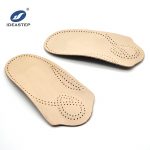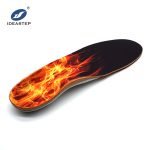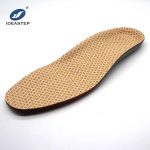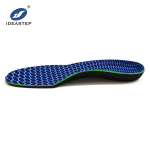
As sneaker brands continue to compete on comfort, performance, and product differentiation, functional insoles have become an increasingly important part of footwear development. A well-designed insole can improve the overall wearing experience while helping brands create products with stronger market appeal.
Custom arch support inserts for sneakers provide footwear companies with a flexible solution to enhance support, cushioning, and comfort. By partnering with an experienced OEM insole manufacturer, brands can develop customized insoles based on their target customers, shoe designs, and performance requirements.
Whether for running shoes, lifestyle sneakers, or comfort footwear, customized inserts help brands add functional value beyond traditional shoe designs.
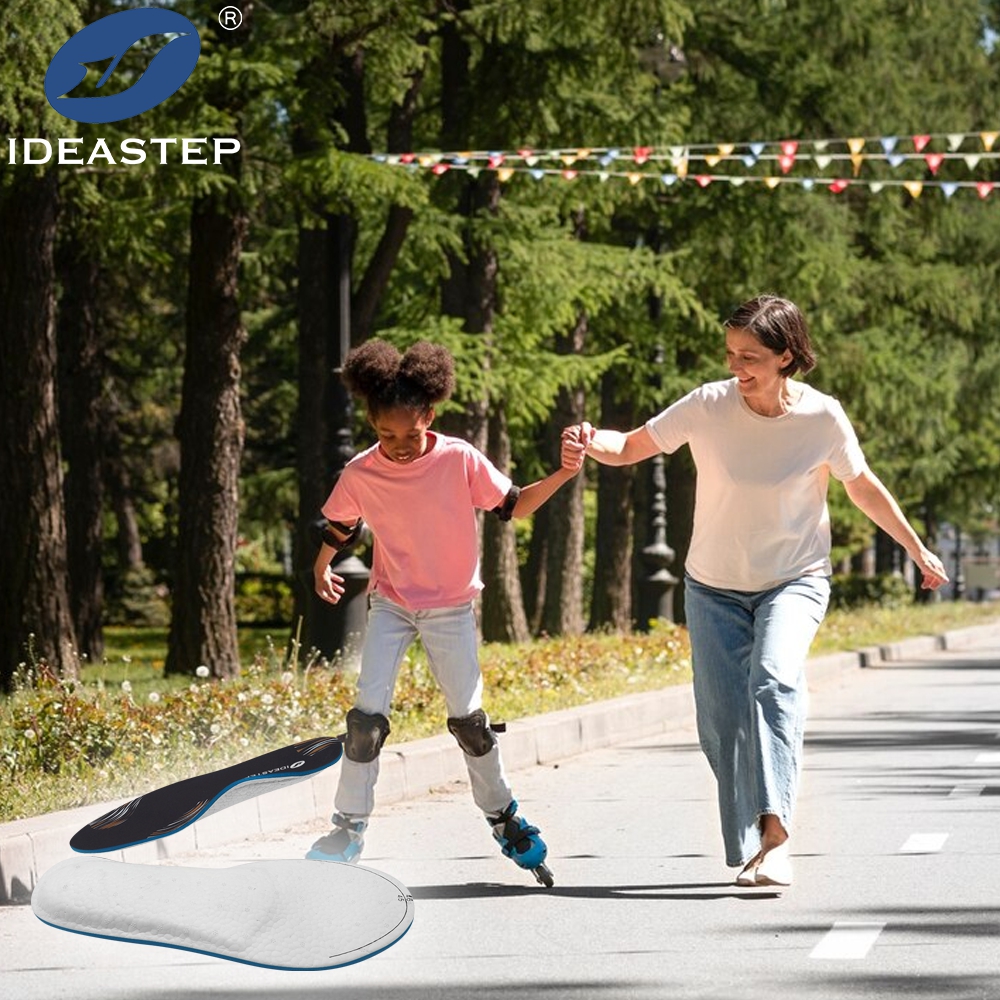
Why Sneaker Brands Choose Custom Arch Support Inserts
The insole is the direct connection between the foot and the shoe. While the upper and outsole determine many aspects of a sneaker’s appearance and durability, the insole has a major influence on comfort and foot support.
For footwear brands, custom arch support inserts can provide several advantages:
Improve Comfort and Wearing Experience
Consumers increasingly expect sneakers to remain comfortable during long periods of walking, training, or daily use. A customized insole helps optimize cushioning, support, and pressure distribution, creating a more comfortable experience compared with standard insoles.
Enhance Foot Support and Stability
Different users have different foot structures and support needs. Custom arch support designs allow brands to develop products with targeted support levels for various applications, from everyday sneakers to performance footwear.
Create Product Differentiation
In a competitive sneaker market, unique functional features help brands stand out. Customized insoles can become part of a product’s selling point by offering improved comfort, enhanced support, and a premium wearing experience.
Expand Product Applications
Custom inserts are suitable for a wide range of footwear categories, including:
- Running shoes
- Walking sneakers
- Training footwear
- Casual shoes
- Orthopedic-inspired footwear
Materials Used for Custom Sneaker Insoles
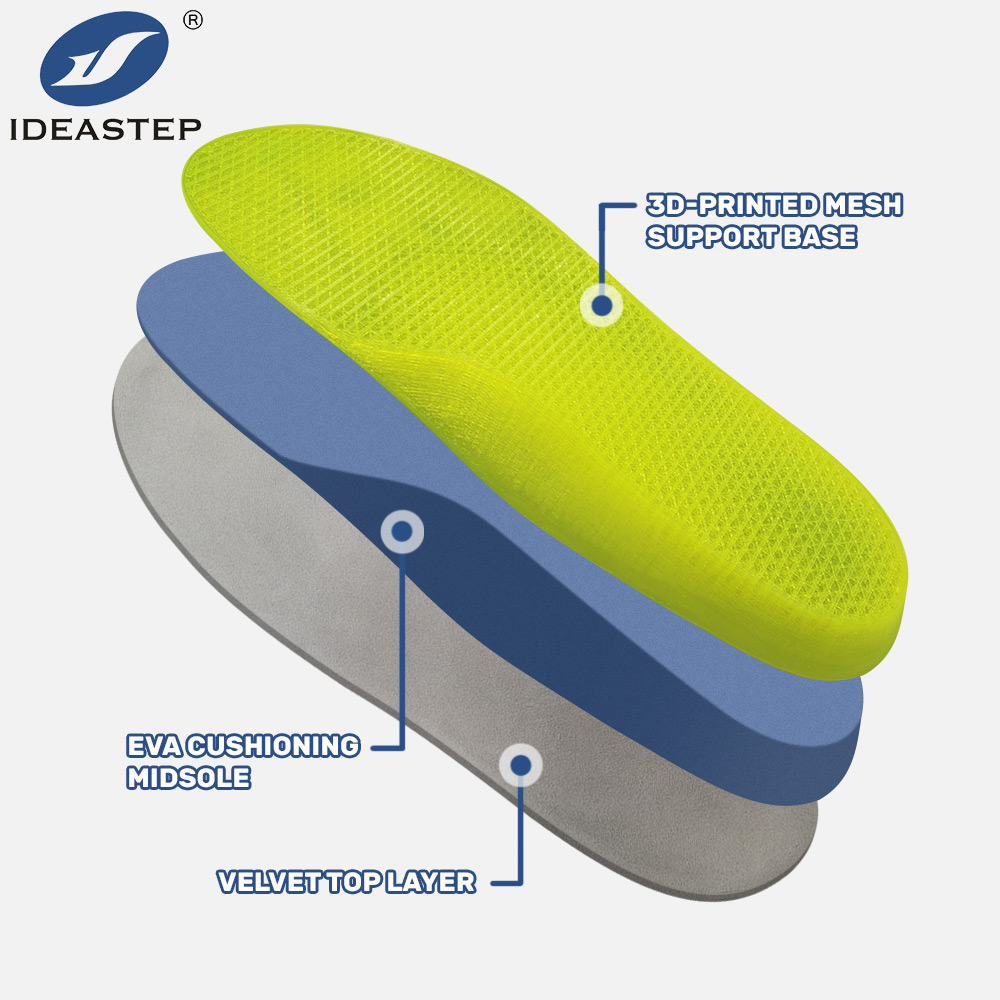
Material selection plays an important role in determining the comfort, durability, and performance of sneaker insoles. Professional manufacturers typically adjust materials based on the target application and product requirements.
EVA Foam Insoles
EVA foam insoles are widely used in footwear manufacturing due to their excellent balance of lightweight cushioning, flexibility, and customization options.
Key benefits include:
- Lightweight construction
- Effective shock absorption
- Flexible performance
- Adjustable density and hardness
By modifying EVA formulations, manufacturers can create different levels of softness, support, and durability for various sneaker applications.
PU Foam
PU foam is often selected for products requiring long-term resilience and premium cushioning performance.
Compared with softer foam materials, PU can provide excellent recovery characteristics and maintain performance over extended use.
Fabric Top Layers
The top cover material directly affects the user’s foot feel.
Common options include:
- Mesh fabric
- Velvet fabric
- Moisture-control fabric
- Antibacterial fabric
These materials improve comfort and help create a better in-shoe environment.
OEM Custom Arch Support Insert Development Process
Developing custom sneaker insoles requires more than selecting an existing design. A professional OEM process ensures that the final product matches the footwear structure and brand expectations.
1. Requirement Analysis
The manufacturer first evaluates the project requirements, including:
- Shoe type
- Target users
- Support requirements
- Material preferences
- Order quantity
This helps determine the most suitable insole structure and material combination.
2. Material and Structure Design
Based on the product goals, manufacturers customize:
- EVA density
- Hardness level
- Thickness
- Arch support structure
- Top cover materials
For example, sports footwear may require lightweight cushioning and responsiveness, while comfort footwear may prioritize stability and long-term support.
3. Prototype Development and Testing
Before mass production, samples are developed for evaluation.
The testing process helps confirm:
- Proper shoe fit
- Comfort level
- Support performance
- Material selection
Adjustments can be made before final production.
4. Mass Production and Quality Control
A reliable OEM partner ensures consistent quality through:
- Stable production processes
- Material inspection
- Production monitoring
- Quality checks
This helps brands maintain product consistency across large-volume orders.
Customization Options for Footwear Brands
Working with an experienced OEM insole manufacturer allows brands to create products that match their market positioning.
Arch Support Design
Brands can choose different support levels according to their target customers and footwear applications.
Options may include:
- Low arch support
- Medium arch support
- Enhanced support structures
Material Combination
Manufacturers can combine different materials to achieve specific performance goals.
Examples include:
- EVA + fabric
- EVA + PU foam
- Multi-density cushioning structures
Product Appearance and Branding
OEM solutions can also include:
- Custom colors
- Logo printing
- Private label packaging
- Product specifications
This allows brands to create exclusive insole products aligned with their footwear collections.
How to Choose the Right OEM Insole Manufacturer
Selecting the right supplier is critical for successful custom insole development. Footwear brands should consider several factors:
Manufacturing Experience
An experienced supplier understands how materials, structure, and footwear design work together to achieve the desired performance.
Custom Development Capability
A capable manufacturer should support the complete process from concept development and sampling to mass production.
Quality Consistency
For international brands, stable quality is essential. The supplier should maintain consistent materials, dimensions, and performance across production batches.
Flexible OEM Solutions
Different brands have different requirements. A reliable partner should provide flexible solutions for materials, designs, quantities, and branding needs.
Frequently Asked Questions
Can sneaker brands customize arch support inserts?
Yes. OEM manufacturers can customize the shape, materials, support level, thickness, and appearance based on brand requirements.
What materials are commonly used for custom sneaker insoles?
Common materials include EVA foam, PU foam, and various fabric top layers. EVA is especially popular because it offers lightweight cushioning and flexible customization.
Can EVA hardness and density be customized?
Yes. EVA properties such as hardness, density, and rebound can be adjusted according to the desired comfort, support, and durability requirements.
Do OEM manufacturers provide samples before bulk production?
Most professional suppliers provide samples for evaluation before large-scale production to confirm fit, comfort, and product performance.
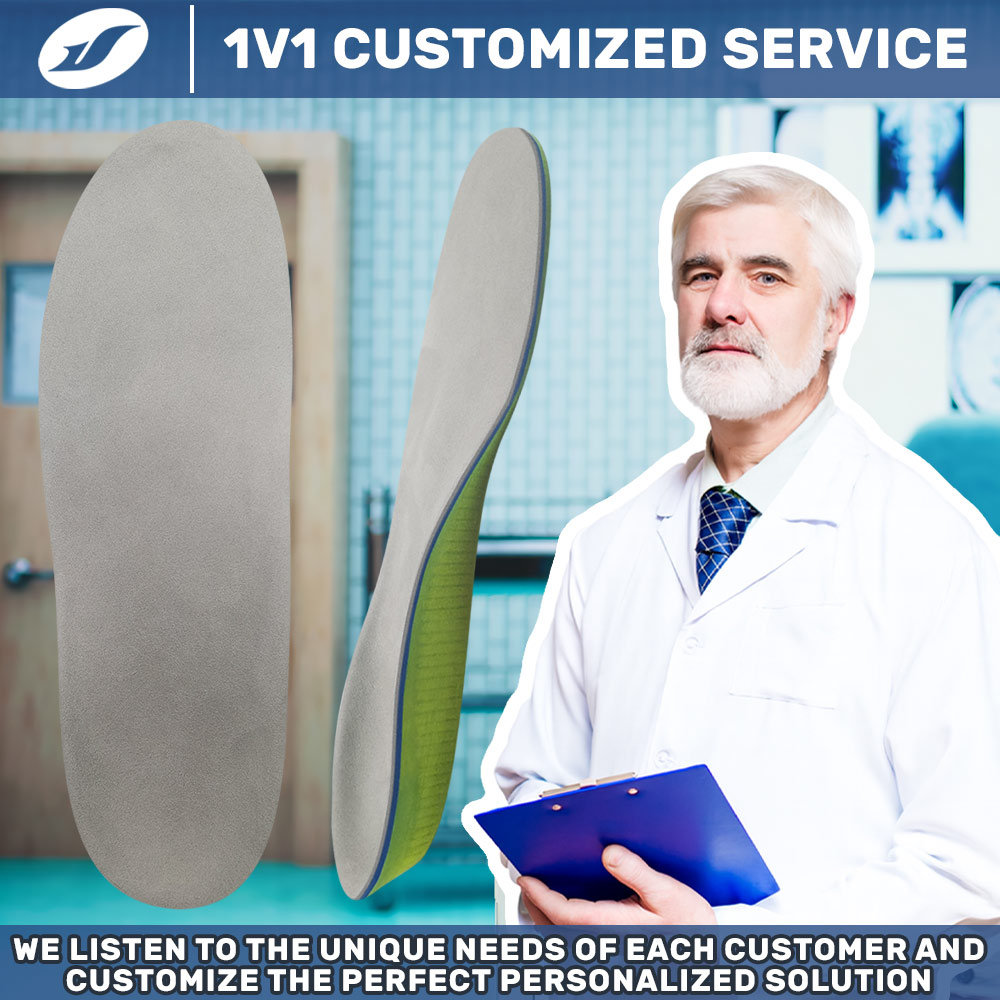
Develop Custom Sneaker Insoles with Ideastep
Custom arch support inserts are becoming an effective way for sneaker brands to improve comfort, strengthen product differentiation, and meet changing consumer expectations.
With professional OEM and ODM capabilities, Ideastep provides customized insole solutions for footwear brands, distributors, and manufacturers worldwide. From material selection and structural design to sample development and bulk production, we help partners create reliable and market-ready footwear solutions.
Contact Ideastep today to discuss your custom arch support insert project and request samples for evaluation.