Custom medical orthotics are designed to provide targeted foot support through specialized structures, materials, and designs. Compared with standard insoles, custom orthotic solutions focus on factors such as foot biomechanics, pressure distribution, stability, and cushioning performance.
For clinics, footwear brands, and distributors, selecting an experienced orthotic partner is important for developing products that meet different support requirements and market needs. With professional manufacturing capabilities and material expertise, Ideastep provides customized orthotic solutions for various foot care and footwear applications.
What Are Custom Medical Orthotics?
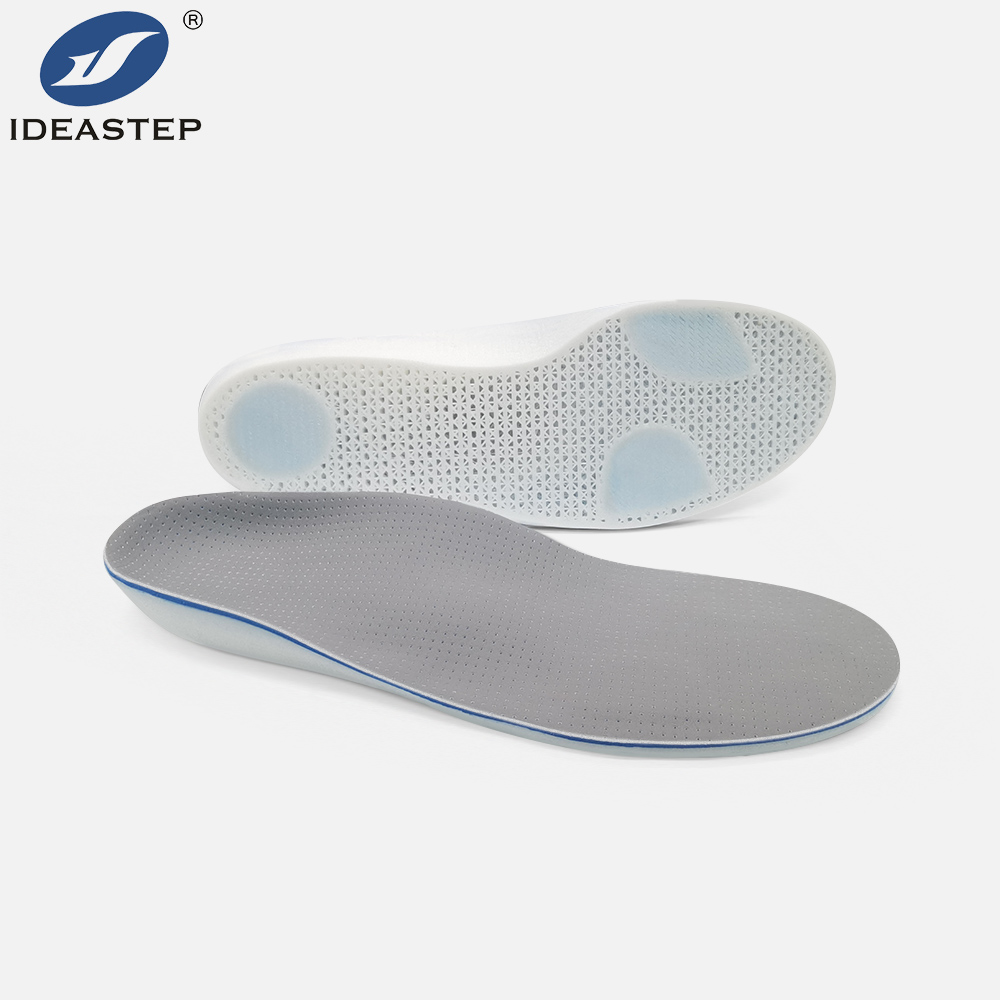
Custom medical orthotics are specially designed foot support devices created based on specific functional requirements. They are commonly developed to improve foot stability, enhance comfort, and provide customized support compared with traditional flat insoles.
A well-designed orthotic structure typically includes different functional areas, such as:
- Arch support zone: Provides structured support under the foot arch.
- Heel stabilization area: Helps improve heel control and stability.
- Pressure distribution zones: Helps create a more balanced contact surface.
- Cushioning layers: Improve shock absorption and underfoot comfort.
The final design depends on factors such as footwear type, material selection, support requirements, and intended application.
Benefits of Custom Medical Orthotics
Enhanced Foot Support
The structure of the foot plays an important role in maintaining balance and absorbing impact during movement. Custom medical orthotics can be designed with specific support areas to improve foot stability inside footwear.
Different designs can adjust support levels according to application requirements, including everyday footwear, medical footwear, sports shoes, and work footwear.
Improved Pressure Distribution
Foot pressure is affected by walking patterns, footwear design, and individual foot structure. Custom orthotic designs can incorporate different cushioning and support zones to create a more balanced footbed.
By combining suitable materials and structures, orthotic products can provide improved comfort for different usage environments.
Comfort for Different Footwear Applications
Different types of footwear require different insole characteristics. A suitable orthotic design should consider available shoe space, cushioning requirements, and support preferences.
Custom medical orthotics can be developed for:
- Healthcare footwear
- Comfort shoes
- Sports footwear
- Work shoes
- Daily walking footwear
Materials Used in Custom Medical Orthotics
Material selection directly affects cushioning, durability, flexibility, and support performance. Different materials can be combined to create multi-layer orthotic structures.
EVA Foam
EVA foam is widely used in orthotic insoles because of its lightweight properties, flexibility, and cushioning performance.
By adjusting EVA density and hardness, manufacturers can develop different levels of softness, resilience, and support for various applications.
PU Foam
PU foam provides durable cushioning and stable recovery performance. It is commonly used in applications where long-term comfort and material durability are important.
Memory Foam
Memory foam is often selected for comfort-oriented orthotics because it provides a softer cushioning sensation and improved underfoot comfort.
It is commonly used in lifestyle footwear and applications where additional cushioning is preferred.
TPU Support Components
TPU components are commonly used in orthotic designs where additional structural reinforcement is required.
They can be applied to areas such as:
- Arch support structures
- Heel reinforcement areas
- Stability control zones
Combining TPU with foam materials allows the development of balanced support and cushioning structures.
How Custom Medical Orthotics Are Developed
Design and Material Selection
The development process begins by understanding product requirements, including:
- Target footwear type
- Support requirements
- Cushioning expectations
- Material preferences
Based on these factors, suitable structures and materials can be selected for the final design.
Prototype Testing
Before production, prototypes are created to evaluate design performance.
Common evaluation areas include:
- Fit and thickness
- Material combination
- Support structure
- Cushioning performance
Prototype testing helps optimize product design before larger production runs.
Production and Quality Inspection
Consistent quality is important for medical and functional footwear products.
Manufacturing quality checks typically include:
- Material consistency
- Product dimensions
- Bonding quality
- Surface finish
- Structural performance
Applications of Custom Medical Orthotics
Custom orthotic products can be designed for different industries and footwear categories.
Healthcare and Foot Care
Clinics and foot care professionals often require orthotic products with specific support characteristics and consistent quality.
Sports Footwear
Sports applications require lightweight materials, cushioning performance, and structural support.
Custom designs can be adapted for different athletic footwear requirements.
Comfort and Work Footwear
For footwear used during long periods of standing or walking, cushioning and support are important factors.
Orthotic structures can be adjusted according to footwear design and comfort requirements.
How to Choose a Custom Medical Orthotics Supplier?
Choosing the right supplier requires evaluating several important factors:
- Manufacturing experience: Understanding of orthotic structures and footwear applications.
- Material capability: Experience with EVA, PU, TPU, memory foam, and other materials.
- Customization ability: Ability to develop different structures, sizes, and designs.
- Quality control: Consistent inspection during production.
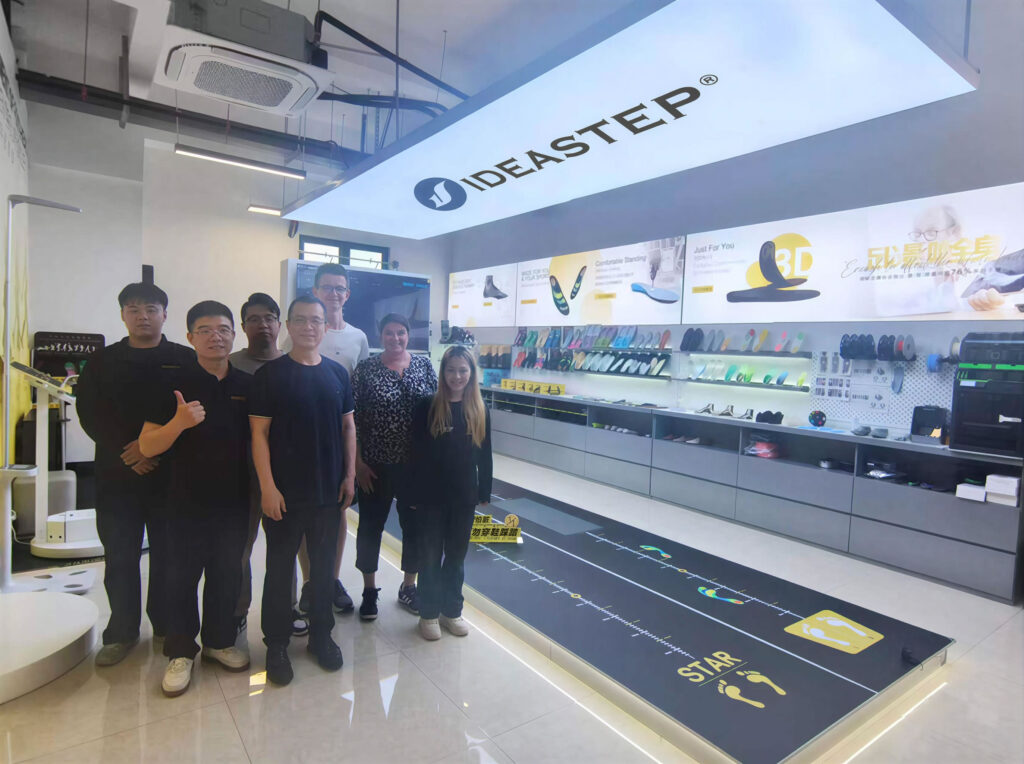
An experienced orthotic partner can help companies develop products that balance support, comfort, and manufacturing requirements.
Frequently Asked Questions About Custom Medical Orthotics
What Are Custom Medical Orthotics Made Of?
Custom medical orthotics are commonly made using materials such as EVA foam, PU foam, memory foam, TPU, and fabric layers. Material combinations depend on the required support and cushioning performance.
How Are Custom Orthotics Different From Standard Insoles?
Standard insoles usually focus on basic cushioning, while custom orthotics are designed with specific support structures and material combinations for different functional requirements.
Can Custom Medical Orthotics Be Used in Different Shoes?
Yes. Orthotic designs can be adjusted according to footwear types, including sports shoes, casual shoes, work footwear, and comfort footwear.
Develop Reliable Custom Medical Orthotics Solutions
Developing effective custom medical orthotics requires a balance of structural design, material knowledge, and manufacturing experience.
Ideastep supports clinics, footwear brands, and distributors with customized orthotic development, offering expertise in material selection, product design, and manufacturing processes.
By combining appropriate support structures and advanced materials, custom orthotic solutions can meet different footwear and foot care requirements.
Related Solutions:
OTWorld 2026 – Visit Ideastep to Explore Cutting-Edge Custom Orthotic Insoles
Ideastep:How to relieve foot pain from standing all day home remedies