For footwear brands, wholesalers, and distributors, the insole is more than a simple shoe component. It plays an important role in comfort, support, and the overall wearing experience. As customers continue to demand better-performing footwear, many companies are turning to OEM custom shoe inserts to create products that meet specific market needs.
Unlike standard insoles, custom shoe inserts allow businesses to customize materials, structures, thickness, functions, branding, and packaging. By working with an experienced custom shoe inserts manufacturer, footwear companies can develop reliable products for different applications while maintaining consistent quality for bulk orders.
What Are OEM Custom Shoe Inserts?
OEM custom shoe inserts are footwear insoles manufactured according to a customer’s specifications. Under an OEM model, buyers work with manufacturers to develop products based on their target market, footwear type, and performance requirements.
A professional OEM insole manufacturer can support the complete development process, including design, material selection, sample production, customization, and mass manufacturing.
OEM custom shoe inserts are commonly used in:
- Sports footwear
- Work and safety shoes
- Casual footwear
- Orthopedic footwear
- Private label footwear products
Why Choose Custom Shoe Inserts for Wholesale Business?
For wholesale buyers, customized shoe inserts provide more flexibility than standard products. They help brands improve footwear performance while creating unique product advantages in competitive markets.
Improve Footwear Comfort and Performance
A well-designed insert can improve cushioning, shock absorption, and overall comfort. Different footwear categories require different solutions. For example, sports shoes often focus on lightweight cushioning, while work shoes require stronger support and durability.
Create Product Differentiation
Many footwear products look similar in the market. Custom shoe inserts allow brands to add unique features through different materials, structures, and functional designs.
Customized inserts can help companies develop footwear products with stronger value instead of competing only through price.
Support Private Label Brands
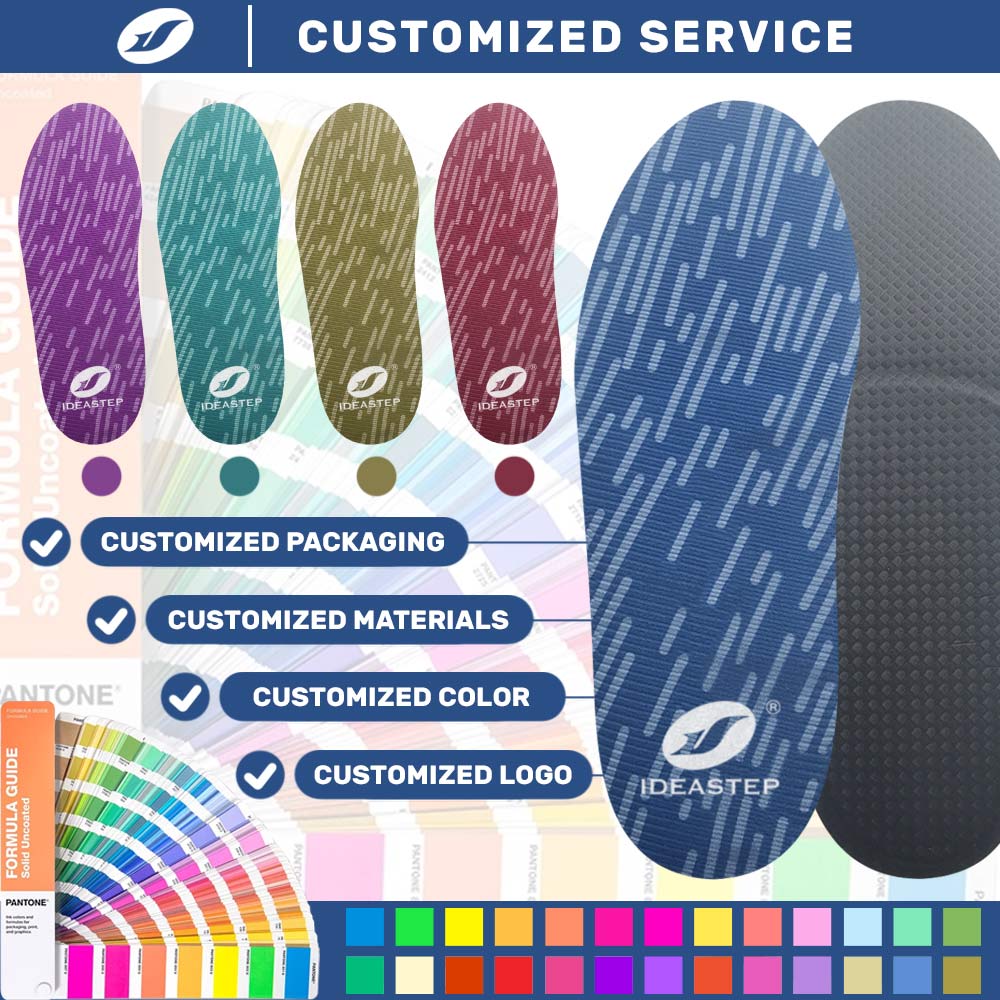
For private label footwear businesses, OEM manufacturing provides flexibility in product development. Brands can customize logos, colors, packaging, and product specifications to create their own market identity.
What Can Be Customized in OEM Shoe Inserts?
A major advantage of OEM production is the ability to adjust different product elements according to specific business requirements.
Material Selection
Material choice directly affects comfort, durability, and product performance. Common materials used in custom shoe inserts include EVA foam, PU foam, TPU support components, and breathable fabric layers.
EVA foam shoe inserts are widely used because of their lightweight properties, flexibility, and cushioning performance. Different EVA densities and hardness levels can be selected according to footwear applications.
PU foam can provide soft cushioning and long-lasting comfort, while TPU components are often added to improve stability and support. Breathable fabric layers help improve airflow and moisture management.
Structure Design
Different footwear applications require different insole structures. Professional manufacturers can customize designs according to shoe shape, target users, and functional requirements.
Common customization options include:
- Full-length shoe inserts
- Arch support structures
- Heel cushioning areas
- Multi-layer constructions
- Anti-slip bottom layers
Branding and Packaging
For wholesale and private label projects, branding customization is an important part of product development.
OEM suppliers can provide options such as:
- Logo printing
- Custom colors
- Surface designs
- Retail packaging
- Product labels
Key Factors in Custom Shoe Insert Development
Successful custom shoe inserts require a balance between material performance, comfort, support, and footwear compatibility.
Material Selection and Performance
Choosing the right material depends on the final application. Lightweight footwear may require flexible cushioning materials, while occupational footwear usually needs stronger and more durable structures.
Comfort and Support Balance
A softer insert may provide immediate comfort, but excessive softness can reduce stability. Professional insole design focuses on balancing cushioning and support for long-term use.
Compatibility with Footwear Design
Custom inserts must fit properly inside different shoe types. Thickness, shape, and flexibility should be considered during development to ensure good performance after installation.
OEM Custom Shoe Inserts Manufacturing Process
Understanding the manufacturing process helps wholesale buyers select the right supplier and manage product development more efficiently.
1. Requirement Confirmation and Product Design
The manufacturer first evaluates the customer’s requirements, including footwear application, target users, materials, sizes, quantity, and customization needs.
2. Sample Development
Before mass production, samples are developed for testing and approval. This stage allows buyers to evaluate the product structure, comfort, appearance, and performance.
3. Mass Production and Quality Control
After sample approval, the product enters bulk production. Reliable manufacturers maintain quality control procedures to ensure consistency between samples and final products.
Custom Shoe Inserts for Different Footwear Applications
Sports Footwear
Sports shoe inserts require lightweight construction, cushioning, and flexibility. Custom designs can help improve comfort during running, training, and outdoor activities.
Work and Safety Shoes
For workers who stand or walk for extended periods, shoe inserts need to provide durability, cushioning, and reliable support. Custom solutions are widely used in industrial and safety footwear.
Orthopedic Footwear
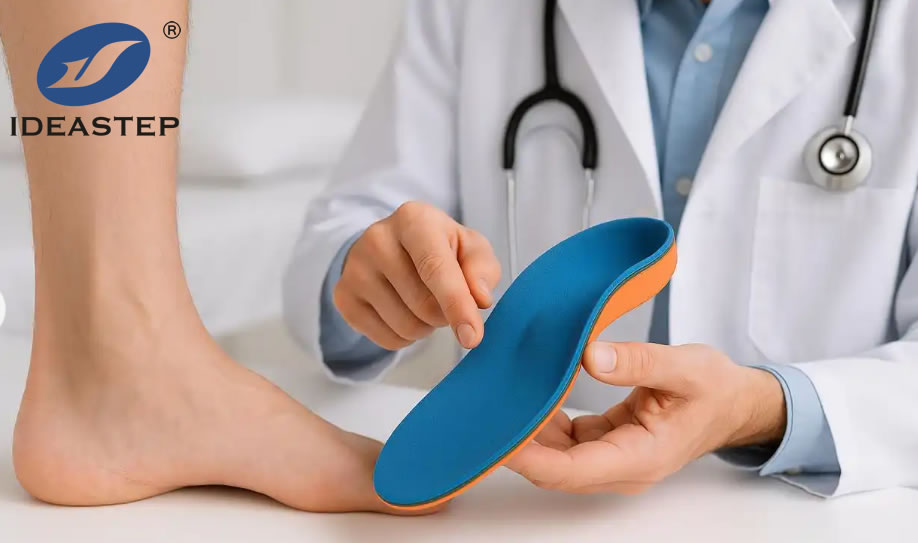
Custom orthotic shoe inserts combine supportive structures with cushioning materials to meet specific foot support requirements. They are commonly used in orthopedic footwear applications.
How to Choose the Right OEM Custom Shoe Inserts Manufacturer?
Choosing the right supplier is one of the most important decisions for wholesale buyers. A reliable manufacturer should provide not only quality products but also professional development support.
Manufacturing Experience
Experienced manufacturers understand material characteristics, footwear requirements, and production challenges. This helps reduce development risks and improve product consistency.
Customization Capability
A capable OEM partner should support customization of materials, structures, sizes, branding, and packaging according to customer requirements.
Production Capacity and Quality Control
For bulk orders, stable production capability and strict quality control are essential to maintain consistent product performance and delivery schedules.
Important Considerations for Wholesale Buyers
MOQ Requirements
Minimum order quantity depends on product design, materials, customization requirements, and production processes. Buyers should confirm MOQ during the early development stage.
Sample Approval
Testing samples before bulk production helps ensure that the final product meets expected quality and performance standards.
Frequently Asked Questions About OEM Custom Shoe Inserts
Can OEM manufacturers customize shoe inserts with my brand logo?
Yes. OEM suppliers can customize logos, colors, packaging, and product details based on brand requirements.
What materials are commonly used for custom shoe inserts?
Common materials include EVA foam, PU foam, TPU, breathable fabrics, gel, and other composite materials.
What is the MOQ for OEM custom shoe inserts?
MOQ depends on product structure, materials, customization requirements, and order volume. Manufacturers usually provide solutions based on specific project needs.
Conclusion
OEM custom shoe inserts provide footwear brands, wholesalers, and distributors with flexible solutions to develop comfortable, functional, and differentiated footwear products.
From material selection and structural design to sample development and bulk production, partnering with an experienced OEM custom shoe inserts manufacturer can help businesses build reliable footwear solutions for different markets.
For OEM/ODM cooperation, customization options, or bulk orders, please contact us directly. Our team is ready to provide professional custom insole solutions for your business.
Related Reading: Custom Shoe Inserts for Wholesale: OEM Orthotic Solutions for Brands and Clinics.