As running footwear becomes more performance-focused, many brands are exploring advanced insole technologies to improve support, stability, and product differentiation. Among these solutions, carbon insoles for running have become an option for footwear companies developing lightweight and high-performance running products.
For footwear brands, carbon insoles are not simply a carbon layer added to a standard insole. The final performance depends on material selection, carbon layer positioning, structural design, and compatibility with the overall footwear construction.
This guide explains how carbon fiber insoles are developed, what materials are commonly used, and how brands can work with an experienced OEM carbon insoles manufacturer to create customized solutions for running footwear.
What Are Carbon Insoles for Running?
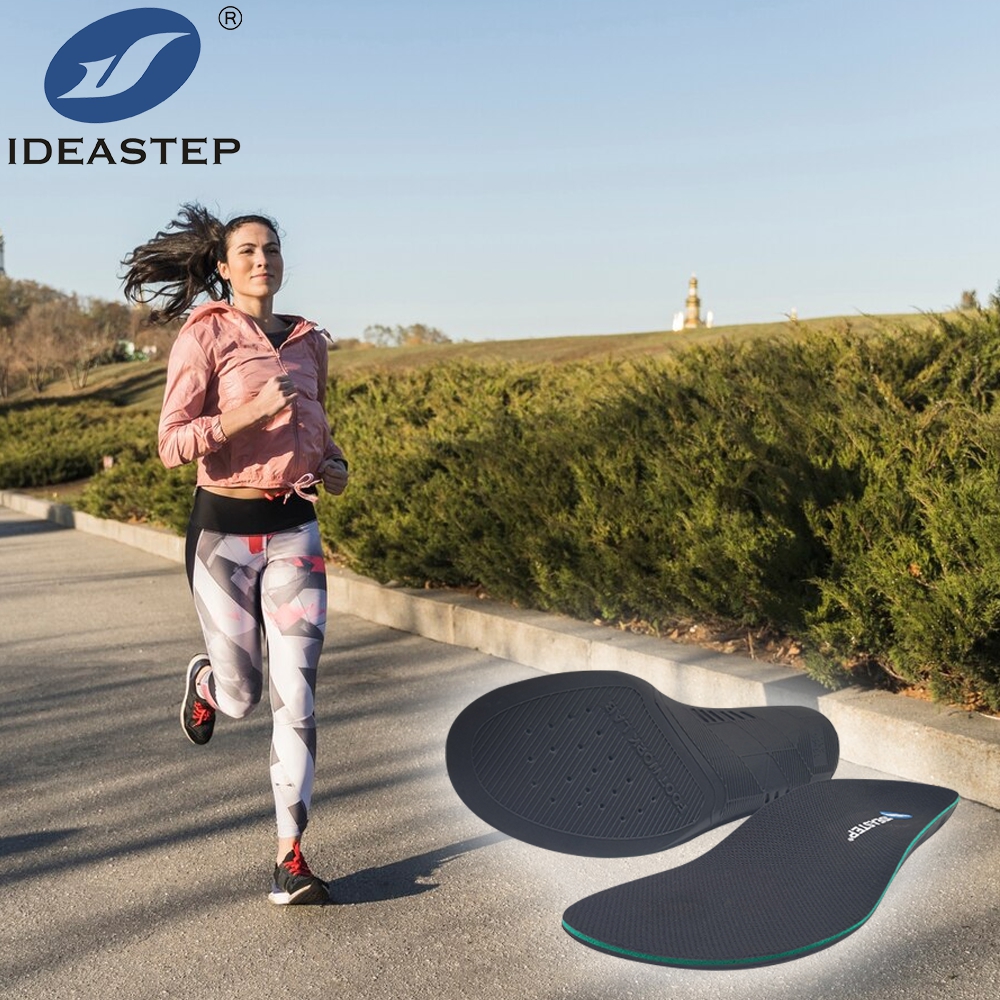
Carbon insoles for running are performance-oriented insoles that integrate carbon fiber or carbon composite materials into the insole structure to improve support, stability, and responsiveness.
Compared with traditional foam-based running insoles, carbon fiber insoles combine lightweight construction with enhanced structural support. They are commonly used in racing shoes, performance running footwear, and specialized sports applications.
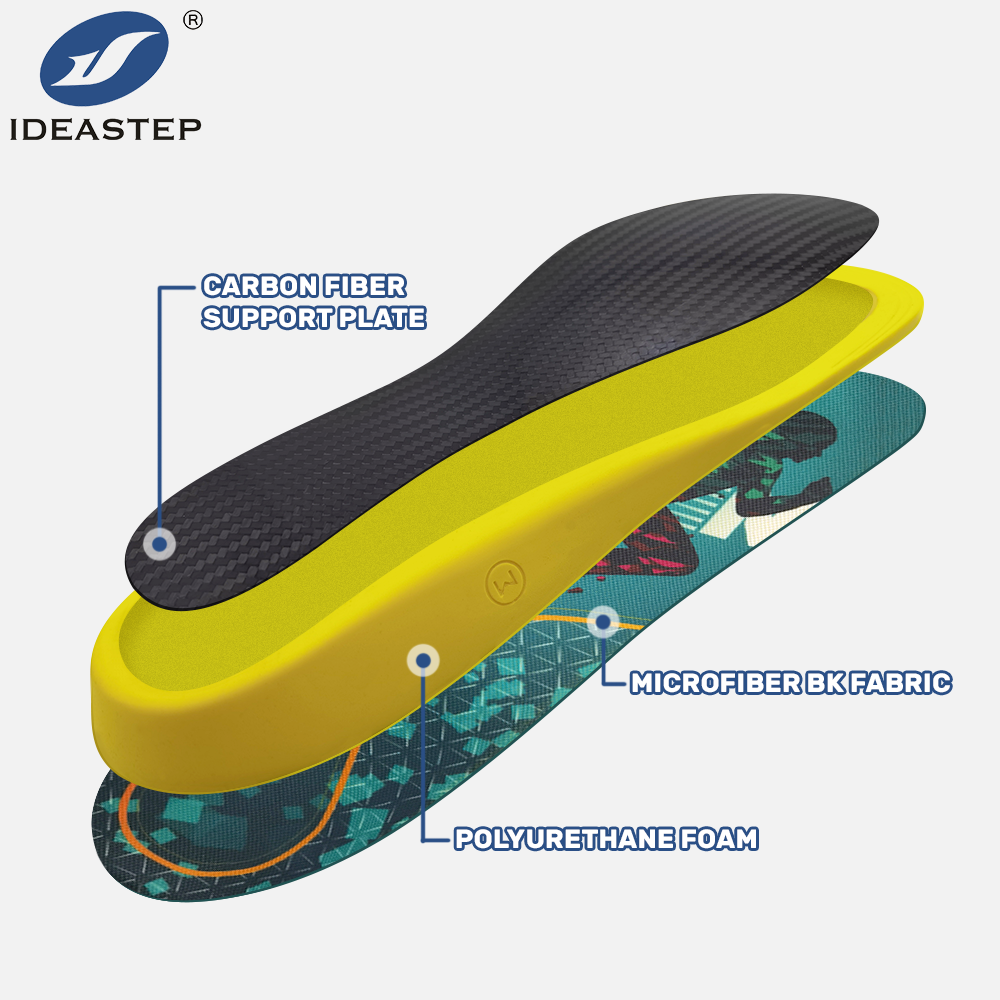
A typical carbon running insole structure may include:
- Carbon fiber reinforcement layer
- EVA cushioning layer
- PU comfort layer
- Breathable fabric top layer
The final product performance depends on how these materials are combined rather than the carbon layer alone.
Why Footwear Brands Develop Carbon Running Insoles
Lightweight Performance Design
Weight control is an important consideration in running footwear development. Carbon fiber offers high strength with low weight, allowing brands to improve structural performance without significantly increasing the overall product weight.
For racing shoes and performance footwear, lightweight construction can help create a more responsive product design.
Improved Structural Support
During running, the foot experiences repeated impact and movement. A properly designed carbon insole can provide additional support inside the shoe and help improve overall foot stability.
Manufacturers can adjust carbon layer placement, stiffness, and supporting structures according to different footwear applications.
Enhanced Energy Transfer
Carbon fiber has excellent stiffness characteristics, which makes it suitable for applications requiring efficient force transfer.
When combined with cushioning materials such as EVA or PU foam, carbon structures can help balance support, flexibility, and comfort.
Differentiated Product Development
For footwear brands, customized carbon insoles provide an opportunity to create products with unique performance characteristics rather than competing with standard insole designs.
This allows brands to develop specialized running products for different market segments.
Material Selection for Custom Carbon Insoles
The performance of custom carbon insoles depends heavily on material selection and combination design. Professional manufacturers usually evaluate materials based on the target application, user requirements, and footwear structure.
Carbon Fiber Layer
The carbon fiber layer provides structural reinforcement and controls the stiffness of the insole.
During development, manufacturers consider factors such as carbon layer position, thickness, and coverage area to achieve the desired balance between support and flexibility.
EVA Cushioning Layer
EVA foam is widely used in running shoe insoles because of its lightweight characteristics, shock absorption performance, and adjustable density options.
Different EVA densities can be selected depending on whether the product focuses on cushioning, support, or lightweight performance.
PU Comfort Layer
PU foam provides a softer feel and improved resilience. It is often used in applications where long-term wearing comfort is important.
Breathable Fabric Top Layer
The top layer improves contact comfort and helps manage moisture during extended use.
Key Design Considerations for Carbon Running Insoles
Carbon Layer Positioning
The position of the carbon structure affects the flexibility and support characteristics of the insole.
Depending on the product purpose, carbon reinforcement may be designed for:
- Forefoot support
- Arch reinforcement
- Full-length structural support
Arch Support Design
Different runners have different foot structures and movement patterns. Custom arch support design helps brands develop more targeted running shoe insoles.
Support levels can be adjusted according to the intended application, footwear type, and user requirements.
Multi-Density Construction
Combining materials with different densities allows manufacturers to create specific functional zones.
For example:
- Softer areas for cushioning
- Firmer areas for support
- Flexible areas for movement control
Footwear Compatibility
Carbon insoles need to work together with the complete footwear system, including the midsole, outsole, shoe last, and internal shoe volume.
A carbon structure that performs well in one shoe design may require adjustment when applied to another footwear platform.
OEM Development Process for Carbon Insoles
Step 1: Product Requirement Analysis
Before development begins, manufacturers work with brands to understand product positioning, target users, and performance expectations.
Key considerations include:
- Running shoe category
- Target market
- Support requirements
- Material preferences
- Expected order quantity
Step 2: Material Recommendation and Structure Design
Based on product requirements, the manufacturer recommends suitable material combinations and develops the insole structure.
This stage may include:
- Carbon layer design
- Foam material selection
- Thickness adjustment
- Support structure optimization
Step 3: Prototype Development
Prototype samples allow brands to evaluate product design before moving into mass production.
The prototype stage usually includes:
- Structural evaluation
- Material performance review
- Fit assessment
- Design adjustment
Step 4: Testing and Mass Production
After prototype approval, production begins with quality control procedures to ensure consistent performance across bulk orders.
Quality Control in Carbon Insole Manufacturing
For footwear brands, production consistency is as important as product design. A reliable supplier should have quality control processes covering every production stage.
Important quality control points include:
- Raw material inspection
- Carbon layer positioning accuracy
- Thickness consistency
- Bonding quality between layers
- Final product inspection
These processes help ensure that every batch meets the approved product specifications.
Applications of Carbon Insoles for Running Brands
Professional Running Shoes
Carbon insoles are widely used in racing and performance running footwear where lightweight construction and structural support are important.
Sports Performance Footwear
Sports brands can integrate carbon insole technology into training shoes, athletic footwear, and specialized sports products.
Private Label Running Products
For private label brands, customized carbon insoles provide flexibility in developing unique products with specific performance characteristics.
Why Choose an OEM Carbon Insoles Manufacturer?
Development Experience
Carbon insole development requires knowledge of materials, footwear structures, and production processes. An experienced manufacturer can help brands avoid common development issues and improve product efficiency.
Customization Capability
Professional OEM suppliers can support customization including:
- Carbon structure design
- Material combinations
- Insole thickness
- Logo and packaging
Stable Production Capability
A qualified manufacturer should provide consistent quality, reliable production management, and support for long-term product development.
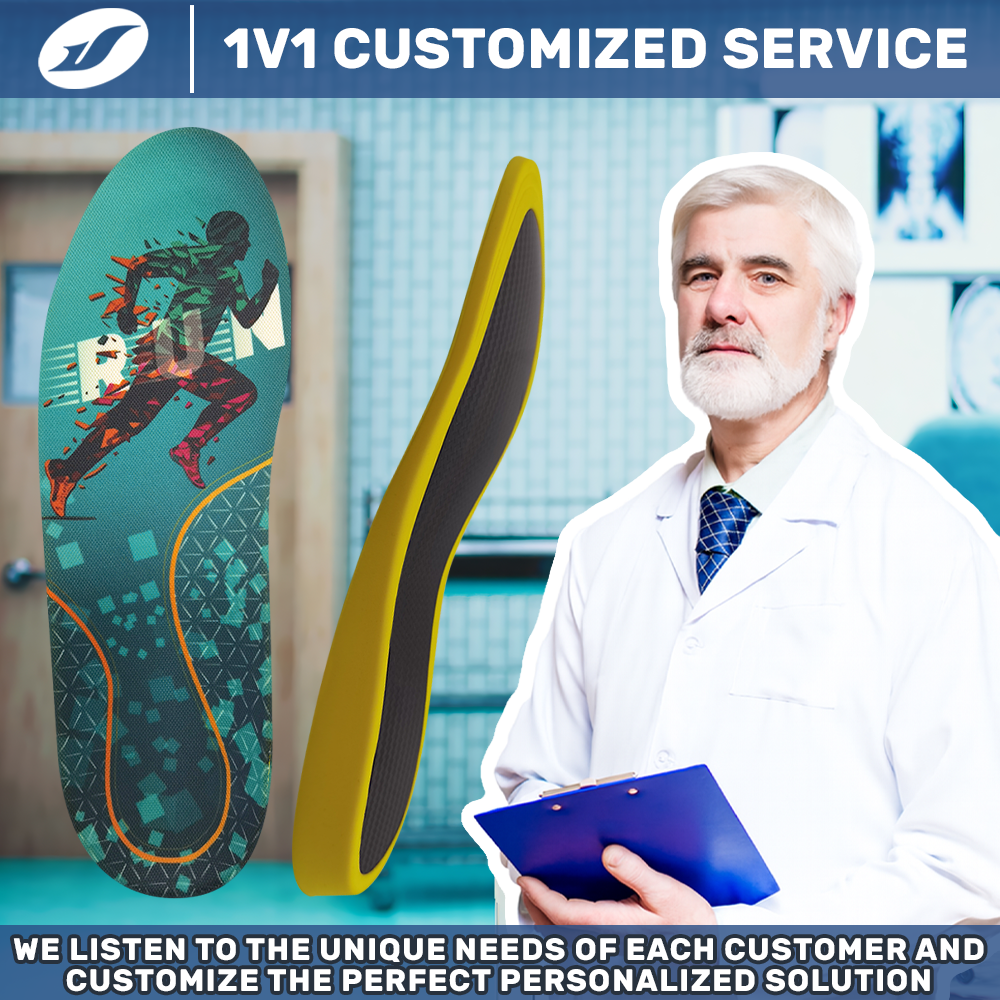
Develop Your Custom Carbon Insoles with Ideastep
For footwear brands planning to develop custom carbon insoles for running shoes, choosing the right manufacturing partner is an important step.
Ideastep provides OEM and ODM development support for running footwear brands, including material selection, structural design, prototype development, and customized manufacturing.
For qualified business projects, sample evaluation can be arranged to help customers test product structure, materials, and performance before moving into bulk production.
Contact Ideastep to discuss your carbon insole development requirements and explore suitable solutions for your footwear products.
FAQ About Carbon Insoles for Running
Are carbon insoles suitable for all running shoes?
Not every running shoe requires carbon reinforcement. The suitable design depends on footwear structure, product positioning, and performance requirements.
Can brands customize carbon fiber insoles?
Yes. OEM manufacturers can customize materials, structures, thickness, branding, and packaging according to specific product requirements.
What materials are commonly combined with carbon fiber insoles?
Common combinations include carbon fiber, EVA foam, PU foam, TPU support components, and breathable fabric layers.
How do brands choose the right carbon insole manufacturer?
Brands should consider manufacturing experience, material knowledge, customization capability, prototype support, and quality control systems.
Conclusion
Carbon insoles for running provide footwear brands with a way to develop lightweight, supportive, and differentiated running products.
Successful carbon insole development requires more than advanced materials. It requires experience in structural design, material combination, footwear compatibility, and manufacturing control.
By working with an experienced OEM carbon insoles manufacturer, brands can transform product concepts into reliable performance footwear solutions.
Related product links: https://www.aideastep.com/product/jf-435-2-carbon-fiber-arch-support-insoles/.