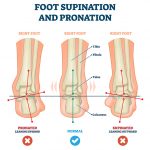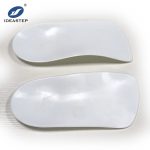
For footwear brands, healthcare companies, and distributors, sourcing the right orthopedic inserts for flat feet requires evaluating product design, material performance, customization capability, and manufacturing reliability.
Unlike standard insoles, orthopedic inserts are developed with specific support structures and material combinations for different footwear applications. An experienced OEM manufacturer can help businesses develop products from initial concepts and samples to reliable bulk production.
This guide covers the key factors businesses should consider when sourcing orthopedic inserts for flat feet.
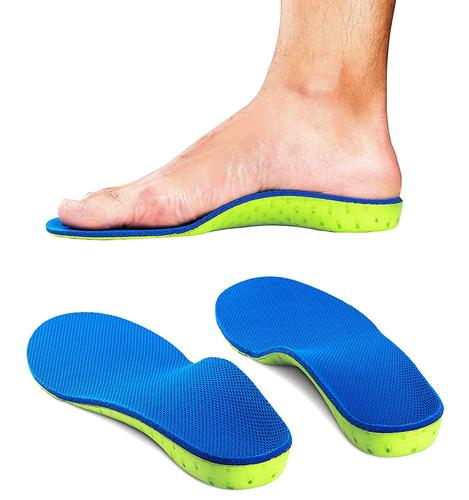
Why Businesses Choose Custom Orthopedic Inserts for Flat Feet
For brands and distributors, custom orthopedic inserts provide more flexibility than standard products. They help companies create differentiated products while meeting specific market requirements.
Develop Products for Different Applications
Different markets require different insole designs.
- Healthcare footwear focuses on support and stability;
- Sports footwear requires cushioning and flexibility;
- Work shoes need durability for long-term use.
A professional manufacturer can adjust product structures based on application requirements.
Create Market Differentiation
Custom orthopedic inserts allow brands to develop unique products through:
- Customized support structures
- Material combinations
- Hardness adjustment
- Private label options
This helps companies build stronger product positioning instead of competing only on price.
Maintain Stable Supply
For wholesale buyers, consistent quality and reliable delivery are essential.
- Stable production
- Consistent product quality
- Technical support
- Long-term supply capability
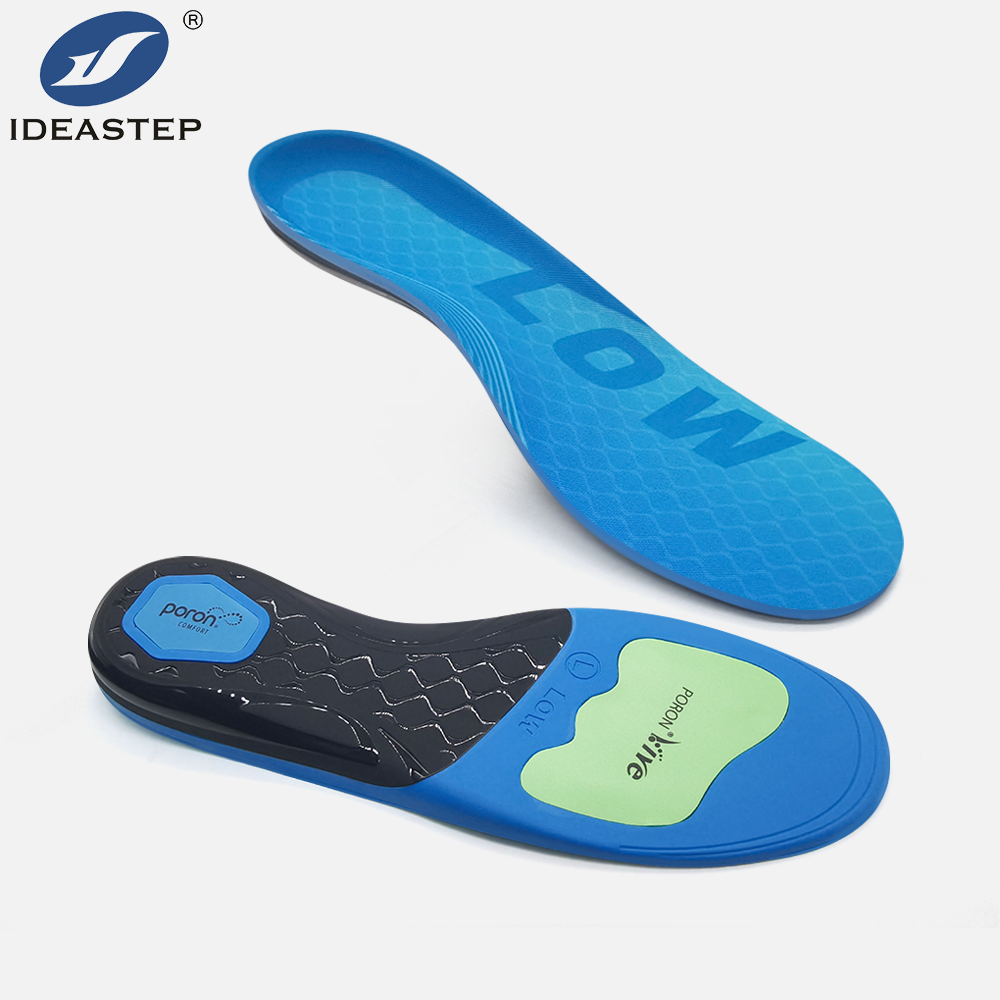
Key Factors When Sourcing Orthopedic Inserts for Flat Feet
When selecting an orthopedic insole manufacturer, buyers should focus on customization ability, materials, quality control, and production capability.
Customization Capability
A professional OEM supplier should support:
- Product structure design
- Arch support customization
- Material selection
- Hardness adjustment
- Thickness optimization
- Logo and packaging customization
Different customers may require different solutions. Healthcare brands may need stronger support, while sports brands may focus on lightweight performance.
Material Selection
Material choice affects comfort, support, durability, and production cost.
| Material | Advantages |
|---|---|
| EVA Foam | Lightweight, cushioning, adjustable hardness |
| TPU | Structural reinforcement and stability |
| PU Foam | Soft cushioning and comfort |
| Memory Foam | Pressure distribution |
| Fabric Top Layer | Breathability and surface comfort |
EVA Foam
EVA is widely used in orthopedic inserts because its density and hardness can be adjusted for different applications.
- Lightweight construction
- Good cushioning
- Flexible support options
TPU Reinforcement
TPU components improve:
- Structural stability
- Shape retention
- Durability
They are often used together with foam materials to balance flexibility and support.
Support Structure Design
The support structure is a key factor when developing orthopedic inserts for flat feet.
Buyers should consider:
- Arch support design
- Foot stability
- Pressure distribution
- Compatibility with footwear
The ideal structure depends on the target users and product application.
Quality Control and Production Capacity
For wholesale orders, product consistency is critical.
Before cooperation, buyers should review:
- Raw material inspection
- Production process control
- Product dimension checks
- Final quality inspection
Production capability should also be considered, including:
- MOQ requirements
- Sample process
- Production lead time
- Bulk order capacity
OEM Manufacturing Process for Orthopedic Inserts
A reliable OEM process helps ensure consistent product quality.
Product Development
The manufacturer confirms:
- Product application
- Support requirements
- Material selection
- Size range
Then the product structure and initial samples are developed.
Sample Testing
Before mass production, samples are evaluated for:
- Structure
- Comfort
- Materials
- Workmanship
Adjustments can be made before final approval.
Mass Production
After approval, production begins with:
- Material preparation
- Assembly
- Forming
- Quality inspection
Standardized processes help maintain consistency for large orders.
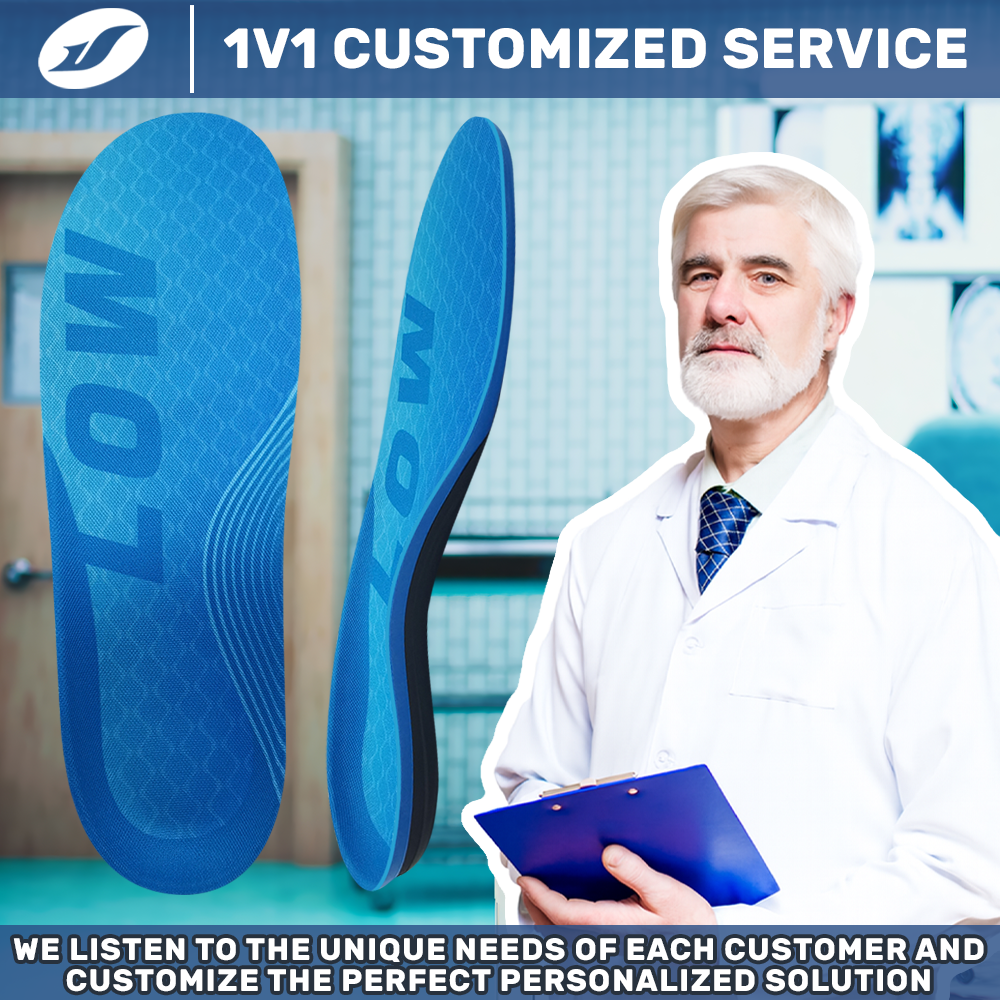
How to Choose the Right Orthopedic Insole Manufacturer?
Choosing the right supplier directly affects product quality and business growth.
Manufacturing Experience
Check whether the supplier has experience in:
- Orthopedic product development
- Footwear applications
- OEM projects
- Large-scale production
OEM and Private Label Capability
A suitable partner should provide:
- Custom product development
- Prototype sampling
- Branding support
- Flexible production solutions
Communication and Support
Successful cooperation also depends on:
- Fast response
- Technical assistance
- Clear production communication
A reliable partner helps reduce development risks.
Why Partner with Ideastep for Orthopedic Inserts for Flat Feet?
Developing effective orthopedic inserts requires experience in materials, product design, and manufacturing.
Ideastep provides custom orthopedic inserts and OEM insole solutions for footwear brands, healthcare companies, and distributors.
- Product development
- Material recommendation
- Prototype sampling
- Bulk manufacturing
- Private label solutions
From product concept to finished production, Ideastep helps customers create orthopedic insert solutions that meet different market needs.
Sample evaluation is available before bulk production, allowing buyers to confirm product quality before large orders.
FAQ About Orthopedic Inserts for Flat Feet
Can manufacturers customize orthopedic inserts for flat feet?
Yes. OEM manufacturers can customize structures, materials, support levels, branding, and packaging.
What materials are commonly used for orthopedic inserts?
Common materials include EVA foam, TPU, PU foam, memory foam, and fabric layers.
What is the MOQ for OEM orthopedic inserts?
MOQ depends on product design, materials, customization requirements, and production planning.
Can suppliers provide samples before bulk production?
Yes. Samples allow buyers to evaluate product performance before placing large orders.
Conclusion
Sourcing the right orthopedic inserts for flat feet requires evaluating product design, materials, customization capability, and supplier experience.
For footwear brands, healthcare companies, and distributors, an experienced orthopedic insole manufacturer can provide support from product development to bulk production.
Working with the right OEM partner helps businesses build reliable products with consistent quality and stable supply.
Related Reading:
Best Arch Support Insoles for Flat Feet
Best Insoles for Flat Feet Standing All Day