In orthotic insole OEM projects, the biggest challenge is not creating a sample, but transforming an initial idea into a product that can be manufactured consistently at scale.
Many brands, footwear companies, and healthcare suppliers start with a product concept, such as a new arch support insole, sports cushioning solution, or private-label foot care product. Turning that concept into a market-ready product requires experience in design, material selection, prototype improvement, and production management.
From the first product discussion to final mass production, an experienced orthotic OEM manufacturer helps customers develop solutions that balance performance, cost, and manufacturing feasibility.
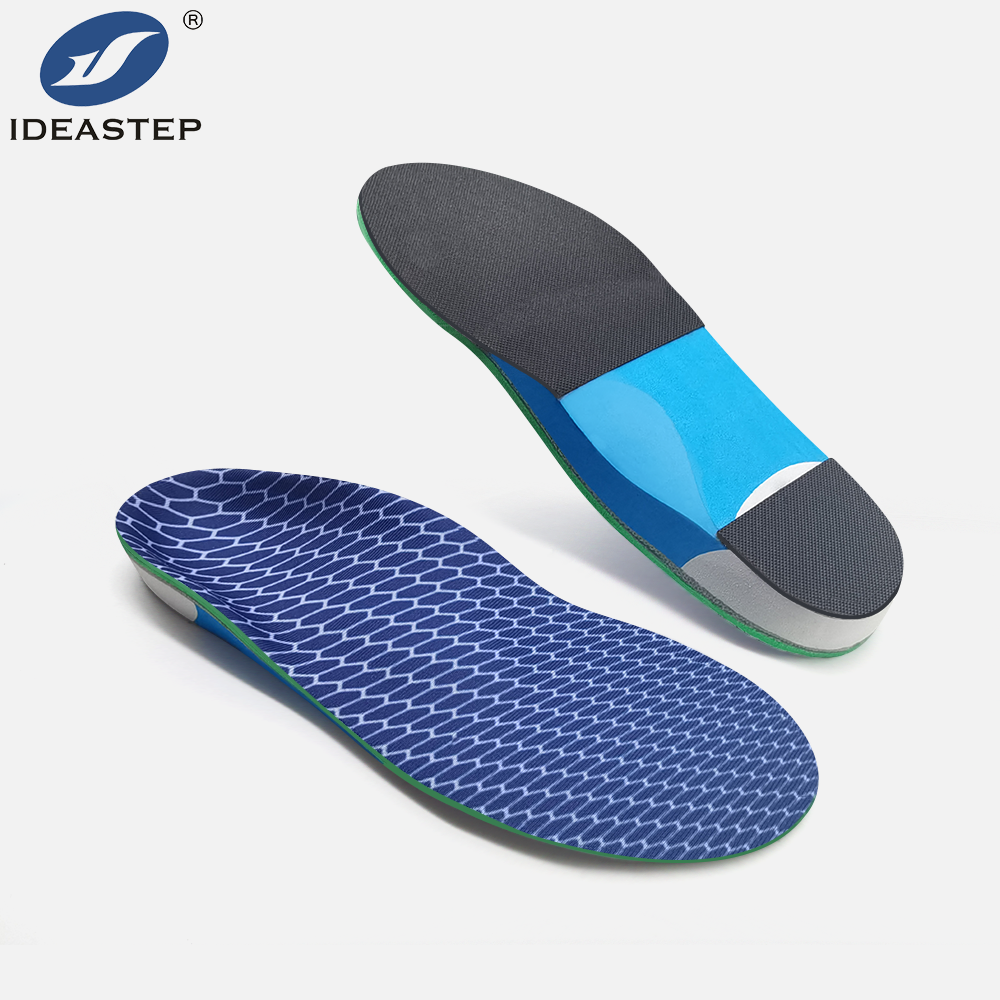
How We Develop Orthotic Insoles from Prototype to Mass Production
Orthotic insoles require more than basic manufacturing. Product performance depends on multiple factors, including arch support structure, foot pressure distribution, cushioning performance, material selection, and wearing comfort.
Our OEM development process covers:
- Product requirement analysis
- Prototype development
- Sample validation and improvement
- Production preparation
- Mass production and quality control
Each stage helps transform a product concept into a stable commercial solution.
Step 1: Understanding Product Requirements and Design Goals
Before development begins, we first confirm the product goals, target users, application scenarios, and expected market position. Clear communication at this stage helps reduce unnecessary adjustments during later development.
Defining Application Requirements
Different markets require different orthotic insole solutions:
- Medical foot care products: Focus on support structures, pressure distribution, and functional requirements.
- Sports insoles: Require lightweight construction, cushioning performance, and energy return.
- Work and safety footwear: Prioritize long-term comfort, stability, and durability.
Understanding the application helps determine suitable structures and material combinations.
Confirming Product Specifications
Before creating prototypes, key specifications are reviewed, including:
- Arch support design
- Insole thickness and size range
- Material combination
- EVA density and hardness
- Cushioning structure
- Top cover requirements
For example, EVA hardness and density are adjusted according to product goals. Softer materials can improve cushioning, while firmer structures provide stronger support.
Step 2: Prototype Development and Material Selection
Prototype development is the stage where a product concept becomes a physical sample. A reliable custom orthotic insoles manufacturer works closely with customers to evaluate and refine the design before production.
Selecting Suitable Materials
Material selection directly affects comfort, support, durability, and product cost. Common materials used in orthotic insoles include EVA foam, PU foam, TPU components, gel cushioning layers, and fabric top covers.
Different material combinations are selected according to the product application. For example, an everyday comfort insole may focus on cushioning, while a support-oriented orthotic insole may require a firmer structure and stronger stability.
Prototype Refinement
The first prototype is rarely the final product. In real OEM projects, several rounds of adjustments may be needed before final approval.
During this stage, we evaluate and improve:
- Support height
- Material hardness
- Product thickness
- Cushioning performance
- Overall wearing comfort
These improvements help ensure that the final design meets both user expectations and production requirements.
Step 3: Sample Validation and Product Improvement
Before entering mass production, sample validation helps confirm whether the product performs as expected in real applications.
Evaluation may include:
- Support performance
- Comfort and fit
- Material durability
- Footwear compatibility
Based on feedback, adjustments may be made to the structure, foam density, material combination, or overall thickness.
This process reduces development risks and helps create a more mature product before large-volume manufacturing.
Step 4: Preparing for Mass Production and Quality Control
Moving from prototype to mass production is where manufacturing experience becomes critical. A successful sample must also maintain stable performance during repeated production.
Production Preparation
Before production starts, we confirm:
- Raw material availability
- Production schedule
- Manufacturing procedures
- Packaging requirements
- Delivery expectations
Maintaining Production Consistency
For wholesale buyers and private-label brands, consistent quality between batches is essential.
Quality control includes:
- Incoming material inspection
- Sample approval
- Production monitoring
- Finished product inspection
These steps help maintain consistency in product structure, appearance, and performance throughout large-scale production.
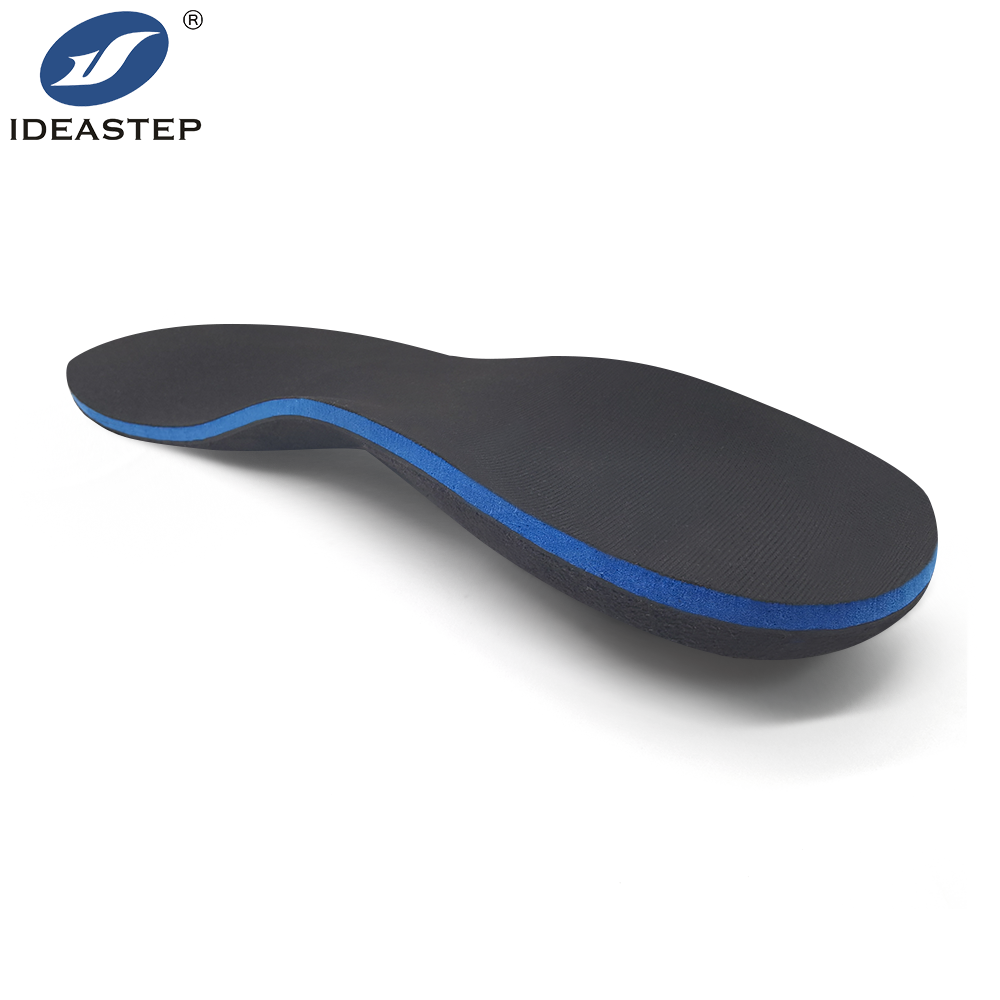
Common Challenges in Orthotic OEM Development
Balancing Support and Comfort
One of the biggest challenges in orthotic insole development is finding the right balance between support and comfort. Stronger support does not always mean better performance. The design needs to match the user’s needs, footwear type, and application.
Maintaining Quality from Prototype to Production
Creating a good sample is only the beginning. The real challenge is producing the same product quality repeatedly.
Stable materials, standardized processes, and production experience are important factors for successful OEM projects.
Balancing Performance and Target Cost
Different markets have different price expectations. A premium medical product and a commercial comfort insole may require different material combinations and production approaches.
Experienced manufacturers help customers find the right balance between product performance and market positioning.
What Makes a Strong Orthotic OEM Partner?
Choosing an OEM partner is not only about production capacity. The right partner should support the entire product development process.
Key factors include:
- Product development experience: Ability to provide practical recommendations during design and sampling.
- Customization capability: Support for different structures, materials, sizes, and branding requirements.
- Production stability: Ability to handle repeat orders with consistent quality and delivery.
Ideastep Orthotic OEM Manufacturing Capabilities
Ideastep works with brands, distributors, healthcare suppliers, and footwear companies to develop customized orthotic insole products.
Depending on project requirements, our team supports:
- Product requirement discussion
- Material recommendation
- Structure optimization
- Prototype development
- Sample improvement
- Mass production planning
With experience in orthotic insole manufacturing, Ideastep helps customers transform product concepts into finished solutions for different markets.
Conclusion: Turning Orthotic Ideas into Market-Ready Products
A successful orthotic OEM project requires close cooperation between the customer and manufacturer. Product design, material selection, prototype refinement, and production control all influence the final result.
Choosing an experienced orthotic OEM manufacturer helps businesses reduce development risks, improve product consistency, and build competitive product lines.
If you are looking for an OEM orthotic insoles supplier or a partner for custom insole development, Ideastep is ready to support your next project.
Related Reading:
Case Study: Developing Custom Orthotics for European Healthcare Brands
OEM vs ODM Orthotic Insoles: Choosing the Right Partner