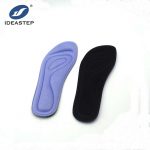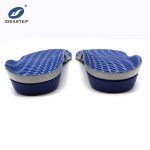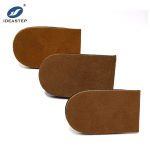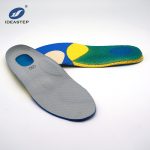
Developing a new orthotic insole product requires more than finding a factory that can produce products. Brands, distributors, and healthcare suppliers need a manufacturing partner that understands product design, material selection, production control, and market requirements.
One of the first decisions buyers need to make is whether to choose OEM orthotic insoles or ODM orthotic insoles. The right manufacturing model depends on your product goals, customization needs, development resources, and expected time to market.
With extensive experience in orthotic insole manufacturing, Ideastep works with global customers to develop customized foot support products through flexible OEM and ODM cooperation.
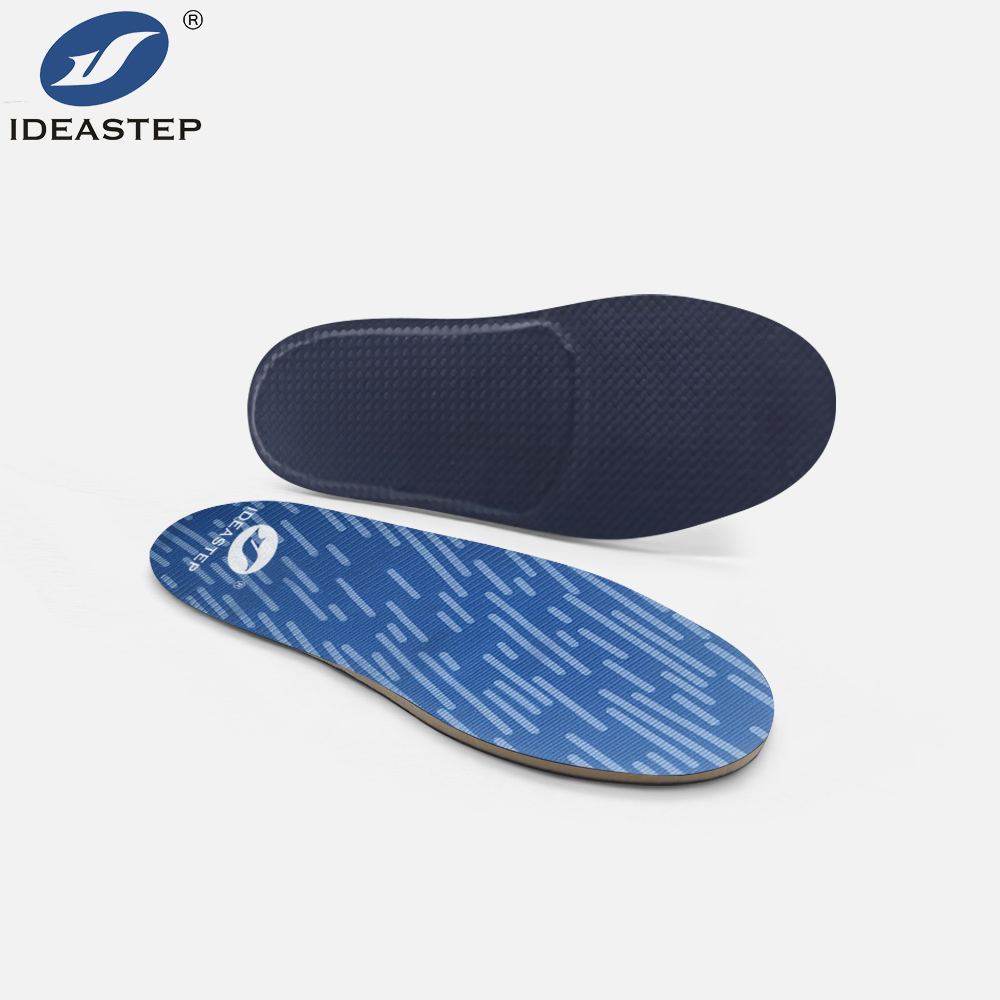
Why OEM and ODM Matter for Orthotic Insole Buyers
Orthotic insoles are used across different markets, including medical foot care, sports footwear, work shoes, comfort footwear, and private-label products. Each application may require different support structures, materials, cushioning levels, and price positioning.
Choosing the right cooperation model helps businesses balance product uniqueness, development cost, and market launch speed.
What Are OEM Orthotic Insoles?
OEM (Original Equipment Manufacturing) orthotic insoles are developed according to the buyer’s product requirements. The customer usually provides the product concept, specifications, design direction, or technical requirements, while the manufacturer handles production and manufacturing support.
In orthotic insole projects, OEM customization may include:
- Arch support structure and height
- EVA foam hardness and density
- Cushioning layer design
- Top cover materials
- Size specifications
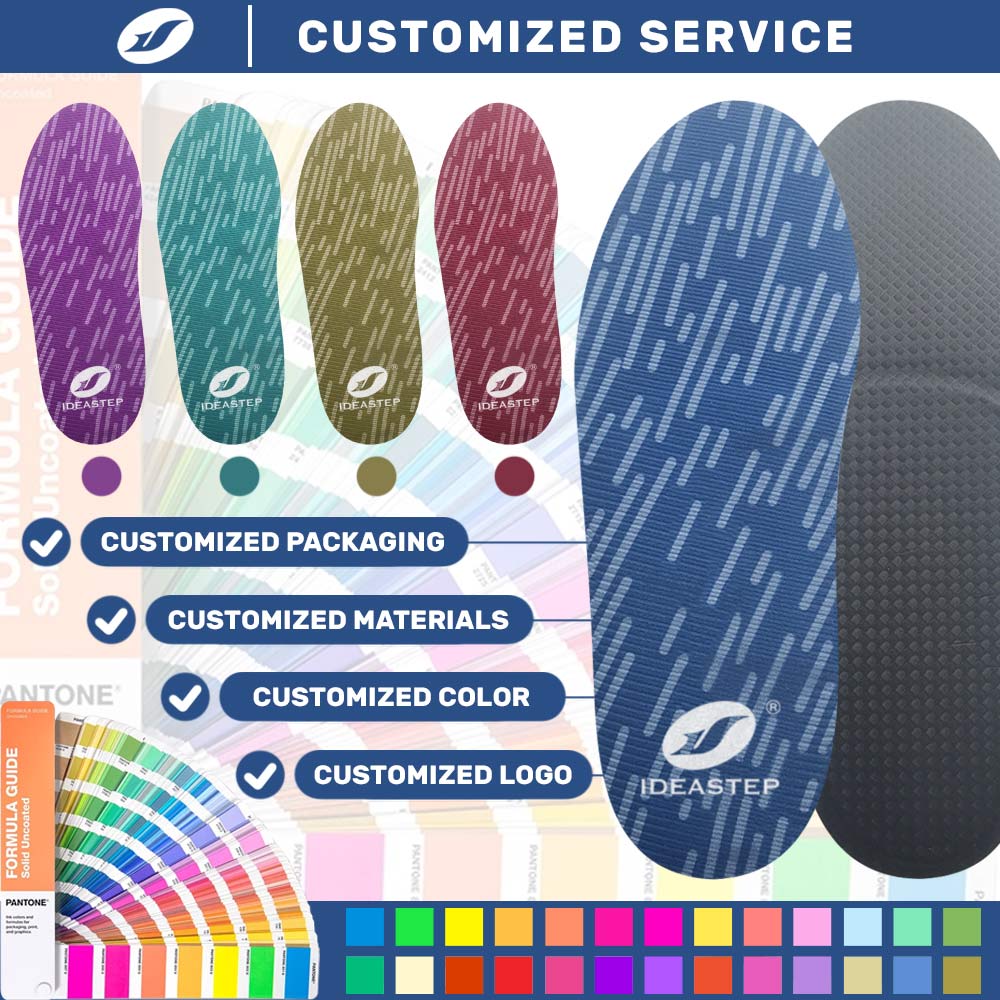
- Branding and packaging requirements
OEM is suitable for brands or companies that already have a clear product direction and want greater control over product performance, appearance, and market positioning.
Typical OEM Orthotic Insole Development Process
- Requirement confirmation: Define product functions, materials, and specifications.
- Prototype development: Create samples based on agreed requirements.
- Sample approval: Confirm structure, materials, and appearance.
- Mass production: Manufacture products according to approved specifications.
What Are ODM Orthotic Insoles?
ODM (Original Design Manufacturing) orthotic insoles are developed with support from the manufacturer’s design experience and production knowledge. Instead of starting with a complete product design, buyers can work with a manufacturer to develop suitable solutions based on their target market.
Many ODM customers begin with a market requirement rather than a finished design. Based on customer needs, manufacturers can recommend suitable materials, structures, and product configurations.
ODM services may include:
- Product concept suggestions
- Existing product customization
- Material selection recommendations
- Sample development
- Product optimization
ODM is often preferred by companies that want to enter the orthotic market faster or do not have an internal product development team.
OEM vs ODM Orthotic Insoles: Key Differences
| Comparison | OEM Orthotic Insoles | ODM Orthotic Insoles |
|---|---|---|
| Design Control | Customer controls product specifications | Manufacturer provides design support |
| Customization Level | Higher customization flexibility | Based on existing solutions and adjustments |
| Development Cost | Usually higher due to custom development | Lower by using existing manufacturing experience |
| Launch Speed | Requires more development time | Faster product introduction |
| Best For | Established brands with specific requirements | New brands, distributors, and market expansion projects |
How to Choose Between OEM and ODM Orthotic Insoles?
The best choice depends on your business stage, product strategy, and available resources.
Choose OEM When Product Control Is the Priority
OEM is a better option for companies that already understand their customers and need a unique product design.
For example, a footwear brand may require a specific combination of arch support, cushioning structure, and material performance. OEM allows the brand to maintain control over these product details.
Choose ODM When Speed and Development Support Matter
ODM is suitable for businesses that want to develop products faster with support from an experienced manufacturer.
It is commonly chosen by distributors, new brands, and companies entering the foot care market that need assistance with product structure, materials, and production planning.
What to Look for in an Orthotic Insoles Manufacturer?
Choosing the right custom orthotic insoles manufacturer is essential for long-term cooperation. A capable supplier should provide not only production capacity but also product development knowledge and technical support.
Product Development Capability
Orthotic insoles require knowledge of foot support structures, material performance, and application requirements. A manufacturer should understand how different materials and designs affect comfort, support, and durability.
Experience with materials such as EVA, PU, TPU, and cushioning components helps manufacturers recommend suitable solutions for different products.
Customization Ability
A suitable partner should support customization in areas such as:
- Material combinations
- Support structures
- Cushioning systems
- Top cover fabrics
- Product sizes
- Private-label packaging
Quality Control and Production Stability
For wholesale buyers, consistent quality and stable delivery are critical. A complete production process should include:
- Raw material inspection
- Sample confirmation
- Production monitoring
- Finished product inspection
MOQ and Supply Flexibility
Different customers have different purchasing requirements. A flexible manufacturer should be able to support various project needs while maintaining consistent product quality and delivery schedules.
OEM and ODM Orthotic Insoles Solutions from Ideastep
Ideastep provides OEM and ODM manufacturing services for brands, distributors, healthcare suppliers, and footwear companies looking for customized orthotic products.
Our capabilities include:
- Custom orthotic insole development
- Material and structure customization
- Prototype production
- Private label orthotic insoles
- Bulk manufacturing support
From initial product ideas to finished products, Ideastep helps customers develop orthotic solutions that meet different market requirements.
Applications of Custom Orthotic Insoles
OEM and ODM orthotic insoles are widely used in:
- Medical foot care products
- Sports footwear
- Work and safety shoes
- Comfort footwear
- Children’s orthopedic products
- Private-label foot care brands
Conclusion: Choosing the Right Orthotic Insoles Manufacturing Partner
Choosing between OEM and ODM orthotic insoles depends on your product goals, customization requirements, and development resources. OEM provides greater control for companies with clear product specifications, while ODM offers faster development with professional manufacturing support.
The right partner should combine product knowledge, customization capability, quality management, and reliable production support.
If you are looking for an experienced OEM orthotic insoles manufacturer, ODM orthotic insoles supplier, or a partner for custom orthotic products, Ideastep can support your next project.
Related Reading: Orthotic Insole Manufacturing Process From Design to Production.