Introduction: Selecting the Right Shoe Midsole Material for Footwear Production
Midsole materials directly influence footwear performance, production cost, and product positioning. Among various footwear materials, EVA (Ethylene Vinyl Acetate) remains a preferred choice for many manufacturers because its density, hardness, and cushioning properties can be adjusted for different footwear requirements.
For footwear brands, shoe manufacturers, and material buyers, choosing a reliable EVA foam sheet supplier is essential to ensure consistent quality, customized solutions, and stable production support.
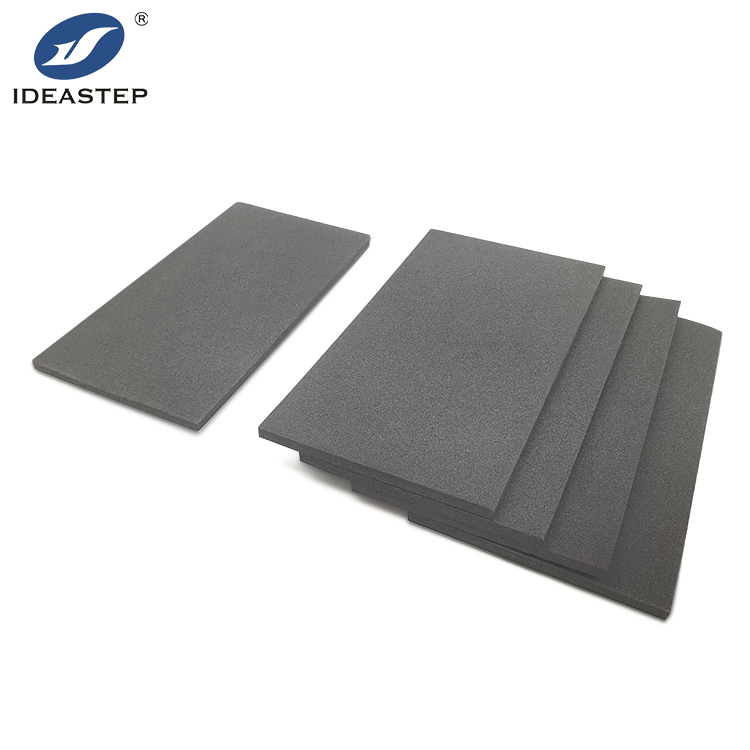
Why EVA Is a Preferred Shoe Midsole Material
Lightweight Structure for Better Footwear Performance
EVA is widely used in footwear manufacturing because of its lightweight structure and flexible processing characteristics.
Key advantages include:
- Low material density
- Lightweight construction
- Easy molding and processing
- Flexible design options
For footwear manufacturers, EVA helps reduce overall shoe weight while maintaining cushioning performance, making it suitable for sports footwear, casual shoes, and comfort-focused products.
Cushioning Performance and Shock Absorption
Cushioning is one of the main reasons EVA is widely selected as a shoe midsole material.
The cushioning performance of EVA depends on several factors, including:
- Material density
- Hardness level
- Rebound rate
- Foam formulation
By adjusting these properties, manufacturers can develop EVA materials for different footwear applications:
- Soft EVA for comfort-oriented footwear
- Medium-density EVA for sports and daily walking shoes
- High-density EVA for products requiring stronger support
Customizable Material Properties
One of the biggest advantages of EVA is its flexibility in customization. Manufacturers can adjust material specifications based on product requirements.
Customization options include:
- Hardness
- Density
- Thickness
- Elasticity
- Color
This flexibility allows footwear brands to develop different product lines while maintaining consistent material performance.
Key EVA Performance Factors for Shoe Midsole Applications
EVA Density
Density affects the balance between cushioning, support, and weight control.
Lower-density EVA generally provides:
- Lighter weight
- Softer cushioning
- Greater flexibility
Higher-density EVA typically offers:
- Improved support
- Better durability
- Stronger structural stability
In production, density selection depends on the footwear design, performance targets, and expected usage conditions.
EVA Hardness
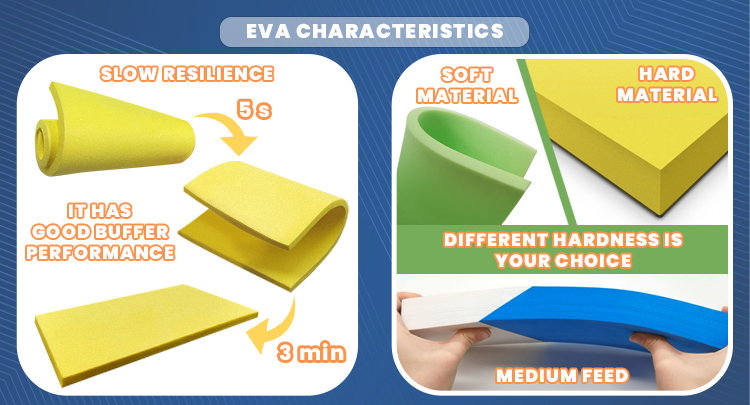
Hardness determines the balance between comfort and structural support.
Different hardness levels are suitable for different footwear needs:
- Soft EVA: Suitable for comfort-focused products requiring flexibility and cushioning.
- Medium EVA: Suitable for sports footwear requiring balanced cushioning and support.
- Hard EVA: Suitable for applications requiring stronger stability and durability.
Professional EVA suppliers can customize hardness levels according to specific footwear requirements.
Rebound and Compression Resistance
For footwear products, EVA materials need to maintain cushioning performance after repeated use.
Important performance indicators include:
- Rebound rate
- Compression resistance
- Recovery performance
These properties influence cushioning consistency, product lifespan, and long-term wearing performance.
EVA Applications in Footwear Manufacturing
EVA materials are widely used in footwear production because they provide a practical balance between performance, cost, and processing flexibility.
EVA for Shoe Midsoles
EVA is commonly selected for midsoles because it offers:
- Lightweight cushioning
- Flexible material adjustment
- Reliable shock absorption
Typical applications include:
- Running shoes
- Sports footwear
- Walking shoes
- Casual footwear
EVA for Insoles and Cushioning Components
Besides midsoles, EVA is also used in:
- Orthotic insoles
- Cushioning layers
- Foot support components
By combining different EVA densities and structures, manufacturers can create products with improved comfort, support, and durability.
How to Choose an EVA Foam Supplier
Material Quality Testing
Reliable EVA suppliers should provide consistent material performance through strict quality control.
Important testing factors include:
- Density testing
- Hardness testing
- Rebound testing
- Tensile strength testing
- Compression performance evaluation
These tests help ensure materials meet footwear production requirements and maintain stable performance during mass production.
Customization Capability
Different footwear projects require different material specifications. A qualified EVA foam sheet supplier should provide customized solutions based on product goals.
Common customization services include:
- Customized hardness
- Customized thickness
- Special formulations
- Different color options
Flexible customization helps footwear brands develop differentiated products for specific markets.
Production Reliability
For footwear manufacturers, supply stability is an important factor when selecting a material partner.
Key considerations include:
- Production capacity
- Quality consistency
- Delivery reliability
- Technical support
A reliable supplier helps reduce production risks and ensures continuous material availability for large-scale projects.
EVA vs Other Shoe Midsole Materials
| Material | Advantages | Common Applications |
|---|---|---|
| EVA | Lightweight, cushioning, flexible processing | Sports shoes, casual footwear, comfort shoes |
| PU | High durability, strong compression resistance | Performance footwear |
| Rubber | Excellent abrasion resistance | Outsoles and high-wear areas |
EVA remains a popular choice for many footwear applications because it provides a balanced combination of cushioning, weight control, and customization flexibility.
Why Partner with a Professional EVA Material Supplier?
Developing high-quality footwear requires more than selecting standard materials. Brands need reliable supply, technical support, and customized material solutions.
An experienced EVA material supplier can support footwear projects through:
- Material recommendation
- Custom EVA solutions
- Stable production capacity
- Quality management
- Technical assistance
For footwear brands and manufacturers, the right material partner helps improve product performance while supporting efficient product development.
Conclusion: Choosing the Right Shoe Midsole Material for Better Footwear Performance
EVA has become one of the most widely used shoe midsole materials because of its lightweight structure, cushioning performance, and customization flexibility.
By selecting suitable EVA specifications and working with an experienced supplier, footwear companies can develop products with improved comfort, reliable performance, and consistent manufacturing quality.
For brands seeking customized footwear material solutions, a professional EVA supplier provides the technical expertise and production support needed for successful product development.
Related Articles: Midsoles of Shoes: Materials, Types and Custom Manufacturing Solutions.