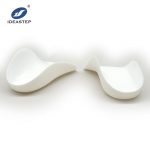
What Are Shoe Midsoles?
The midsole of a shoe is the layer positioned between the outsole and upper, designed to provide cushioning, impact protection, and structural support during movement.
Unlike the outsole, which focuses on traction and wear resistance, the midsole mainly determines the footwear’s cushioning response, stability, and overall performance.
For footwear brands, shoe manufacturers, and material distributors, selecting the right midsole solution requires careful consideration of material properties, density, hardness, and production requirements.
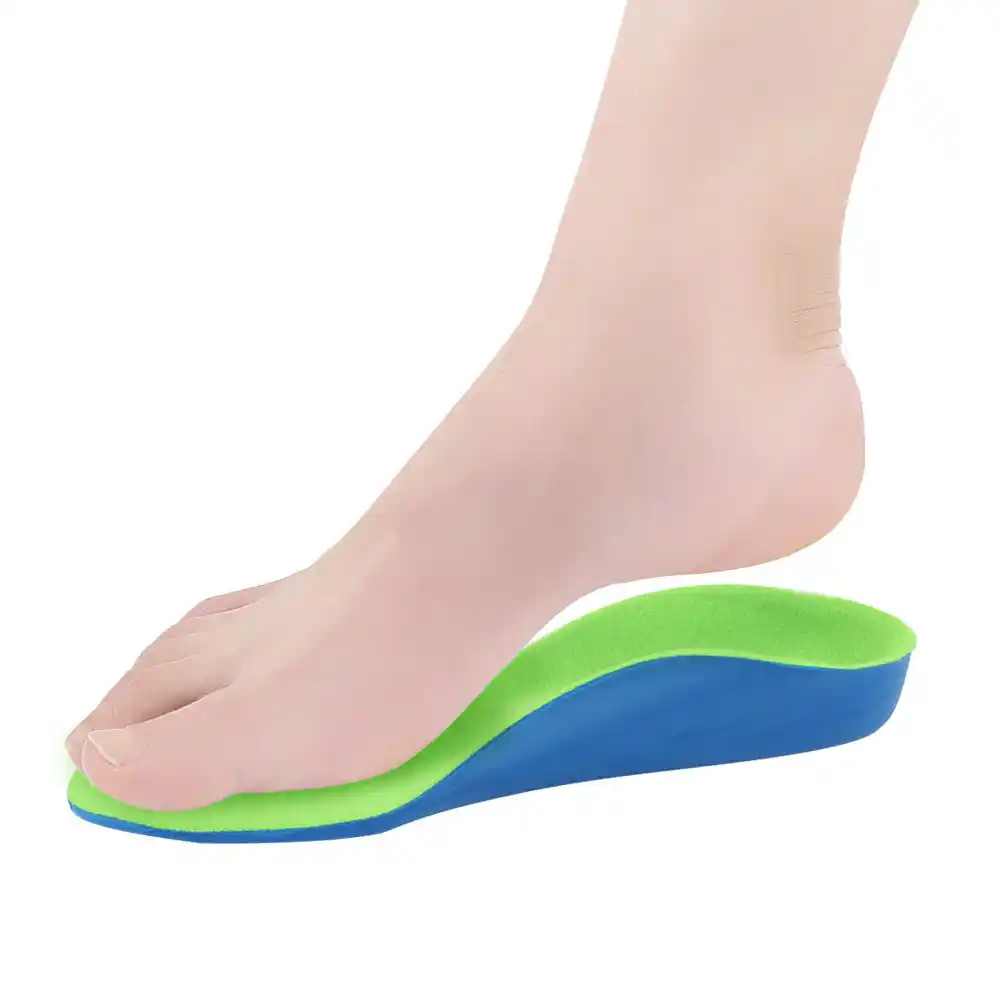
Performance Factors in Midsole Development
Cushioning Performance
Cushioning is one of the primary functions of a shoe midsole.
A suitable midsole material helps manage impact forces during walking, running, and daily activities.
Key factors include:
- Foam structure
- Material density
- Compression resistance
- Rebound performance
By adjusting material characteristics, manufacturers can develop midsoles with different cushioning levels for running shoes, casual footwear, and work shoes.
Stability Requirements
Besides cushioning, midsoles also influence footwear stability.
Manufacturers can improve support performance through:
- Multi-density foam structures
- Reinforced support areas
- Customized midsole geometry
Different footwear categories require different stability levels. For example, athletic footwear may require flexible support, while safety footwear often needs stronger structural durability.
Lightweight Design
Weight reduction has become an important trend in footwear development.
Modern midsole solutions focus on:
- Lightweight foam materials
- Efficient structural designs
- Balanced cushioning-to-weight ratios
Lightweight midsoles help brands create footwear that delivers comfort without increasing overall shoe weight.
Common Materials Used in Shoe Midsoles
EVA Foam Midsoles
EVA foam is one of the most widely used materials for shoe midsoles due to its lightweight properties, cushioning performance, and manufacturing flexibility.
Advantages include:
- Lightweight structure
- Shock absorption
- Flexible performance
- Easy processing
- Cost-effective production
By adjusting EVA density, hardness, and formulation, manufacturers can develop midsoles with different cushioning, durability, and support characteristics.
EVA midsoles are commonly used in:
- Running shoes
- Sports footwear
- Walking shoes
- Casual footwear
PU Foam Midsoles
Polyurethane (PU) foam is known for its durability and long-term cushioning performance.
Compared with softer foam materials, PU provides:
- Higher wear resistance
- Strong structural stability
- Longer service life
PU midsoles are often selected for applications requiring durability, including work footwear, outdoor shoes, and professional footwear.
TPU Reinforced Midsole Components
TPU is commonly used as a reinforcement component in advanced footwear structures.
Its properties include:
- High elasticity
- Strong support
- Good shape retention
- Improved stability
TPU components are often combined with foam midsoles to improve structural performance while maintaining flexibility.
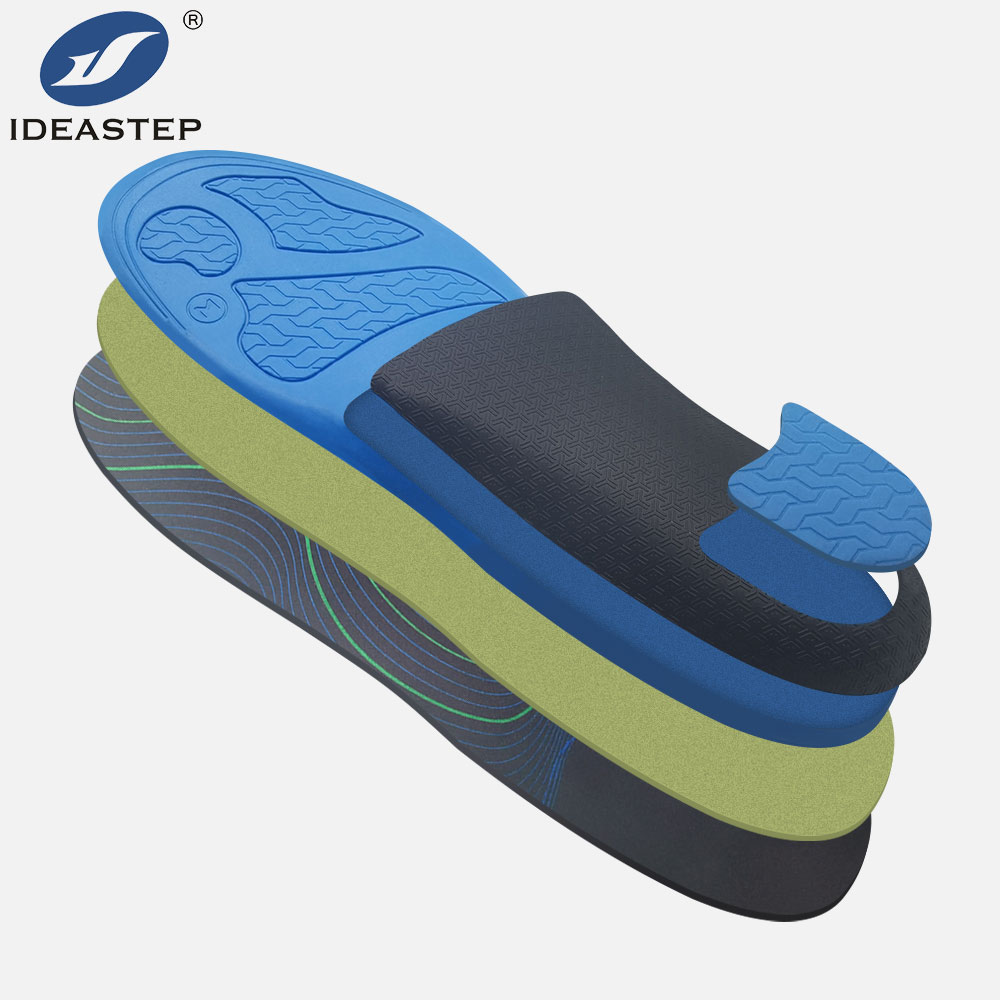
Types of Shoe Midsole Designs
Single-Density Midsoles
Single-density midsoles use one foam material throughout the entire structure.
Advantages include:
- Simple manufacturing process
- Consistent cushioning performance
- Cost efficiency
They are suitable for general-purpose footwear, casual shoes, and entry-level sports products.
Dual-Density Midsoles
Dual-density midsoles combine different foam hardness levels within one design.
A common structure includes:
- Softer foam for cushioning
- Firmer foam for stability
This design allows manufacturers to balance comfort and support, making it popular in performance footwear.
Lightweight Performance Midsoles
Advanced footwear brands increasingly use lightweight midsole designs to improve athletic performance.
These solutions focus on:
- Reduced weight
- Improved rebound
- Enhanced flexibility
- Better energy response
They are commonly used in running shoes and sports footwear.
Custom Midsole Manufacturing Solutions
For footwear brands and shoe manufacturers, customized midsole development helps create products with unique market positioning.
A professional midsole supplier can support:
- Material selection
- Density and hardness adjustment
- Custom mold development
- Color customization
- Structural optimization
- OEM/ODM production
During development, brands should consider:
- Target footwear category
- Required performance characteristics
- Production volume
- Cost requirements
A flexible manufacturing process allows companies to develop midsoles that match specific product goals.
Applications of Shoe Midsoles
Sports Footwear
Sports footwear requires midsoles with a balance of cushioning, flexibility, and lightweight construction.
Common requirements include:
- Shock absorption
- Energy return
- Motion support
- Long-term durability
EVA and advanced foam materials are widely used in running and training footwear.
Casual and Lifestyle Footwear
Casual footwear focuses on daily comfort, appearance, and production efficiency.
EVA-based midsoles are commonly selected because they provide:
- Comfortable cushioning
- Lightweight performance
- Flexible design options
Safety and Work Footwear
Industrial and professional footwear requires durable midsole structures.
Important requirements include:
- Compression resistance
- Stable support
- Long service life
PU and reinforced midsole solutions are often used for these applications.

How to Choose a Shoe Midsole Manufacturer?
When sourcing shoe midsoles, buyers should evaluate a supplier’s material capability, production experience, and customization flexibility.
Material and Development Capability
A qualified supplier should have experience with:
- EVA foam processing
- PU material applications
- TPU reinforcement solutions
- Foam performance testing
Strong material knowledge allows manufacturers to create solutions for different footwear requirements.
Production and Customization Ability
For footwear brands, production flexibility is essential.
Manufacturing partners should provide:
- Prototype development
- Custom tooling
- OEM/ODM services
- Bulk production support
These capabilities help brands move efficiently from product concepts to commercial production.
Quality Control and Supply Stability
Reliable production is important for long-term cooperation.
Buyers should consider:
- Manufacturing experience
- Quality inspection procedures
- Production capacity
- Delivery consistency
Stable supply capability helps maintain product quality across large-volume orders.
Developing Reliable Shoe Midsole Solutions for Brands
The shoe midsole directly affects cushioning, stability, durability, and overall footwear performance.
For footwear brands and manufacturers, choosing suitable materials and working with an experienced supplier can improve product quality and market competitiveness.
With expertise in EVA foam, PU, TPU, and customized production, professional manufacturers can help develop midsole solutions for sports, casual, and specialized footwear applications.
Whether you are developing new footwear collections, sourcing EVA midsole materials, or looking for customized midsole manufacturing support, our team can provide flexible solutions from material selection to mass production.
Related Reading:
What Is EVA Foam in Shoes?
EVA Manufacturing Process of Four Shoe Midsoles