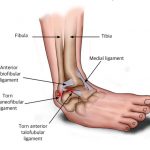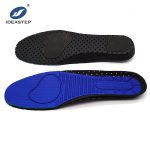
Developing magnetic insoles for plantar fasciitis requires more than adding magnetic components to a standard insole. A successful product depends on the right combination of structure design, material selection, thickness control, and production consistency.
For foot care brands, footwear companies, and distributors, the key challenge is creating a functional insole solution that meets market expectations while maintaining reliable quality for large-volume production. Partnering with an experienced insole manufacturer helps companies transform product concepts into practical commercial solutions.
Ideastep provides custom insole development services, supporting customers from initial design and material evaluation to prototype improvement and mass production.
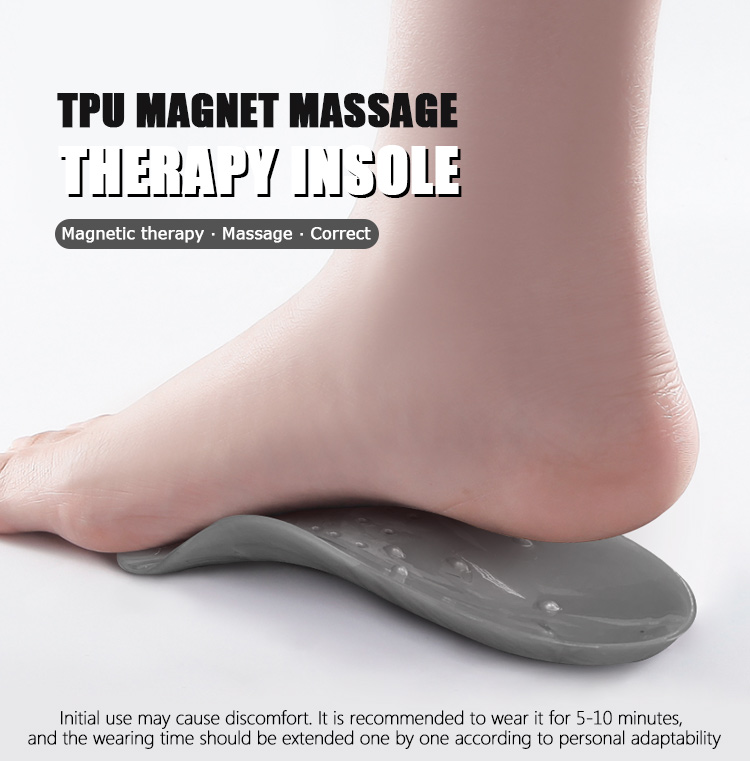
Developing Magnetic Insoles for Foot Care Applications
Magnetic insoles are functional footwear products that integrate magnetic elements into a multi-layer structure. In professional development, magnetic components work together with cushioning and support materials rather than being used as an independent feature.
A typical magnetic insole structure may include:
- Magnetic components
- Cushioning layer
- Support layer
- Breathable top cover
- Anti-slip bottom layer
During development, manufacturers evaluate component placement, flexibility, thickness, and durability to ensure the final design meets different footwear applications.
Key Design Factors for Magnetic Insoles
A commercial magnetic insole requires careful structural planning. The design needs to balance cushioning, support, flexibility, and manufacturing requirements.
Heel Cushioning and Pressure Distribution
The heel area is usually reinforced with cushioning materials to improve impact management during daily walking and standing.
Depending on the target market, manufacturers may use EVA foam, memory foam, or other cushioning materials to achieve different levels of softness and support.
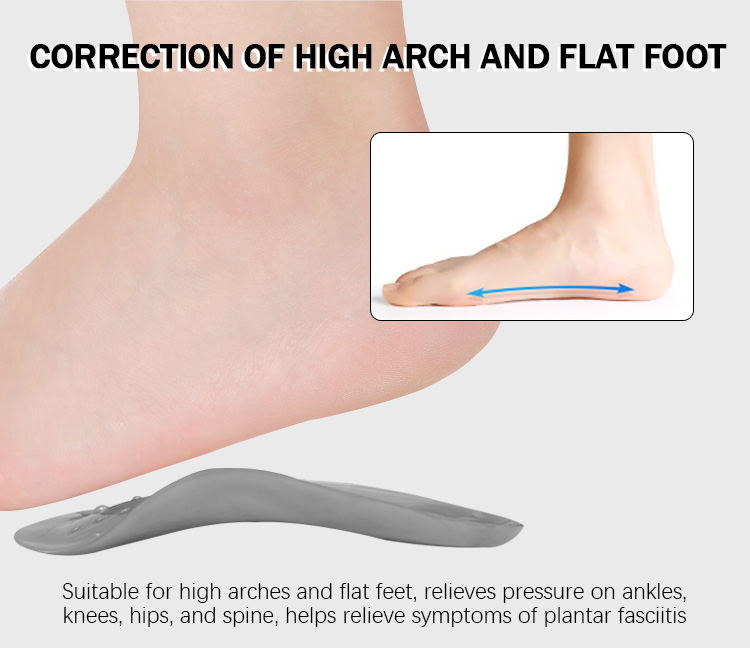
Arch Support Structure
A suitable support structure helps create better foot stability and improves the overall wearing experience.
Manufacturers can adjust arch height, hardness, and support layers according to footwear type and customer requirements.
Thickness and Footwear Compatibility
Different footwear categories require different insole profiles. A design suitable for work boots may not be suitable for casual shoes or sports footwear.
Professional manufacturers optimize thickness and structure to ensure the insole fits properly within different shoe designs.
Material Selection for Magnetic Insoles
Material selection plays an important role in magnetic insole development. Instead of relying on a single material, manufacturers combine different layers to achieve the required balance between comfort, support, cost, and production stability.
Common material combinations include:
- EVA support layer: Provides lightweight support, flexibility, and cushioning performance.
- Memory foam layer: Enhances softness and pressure adaptation for comfort-focused applications.
- Fabric top cover: Improves surface feel and allows different appearance options.
Material combinations can be adjusted according to target markets, product positioning, and expected usage conditions.
Custom Magnetic Insole Development for Brands
For companies entering the functional foot care market, customization helps create differentiated products. OEM development allows brands to create magnetic insoles based on their own market requirements.
Customization Options
Manufacturers can adjust:
- Insole thickness
- Foam density
- Hardness level
- Support structure
- Material combination
Private Label Solutions
For distributors and private-label brands, customized services may include:
- Logo customization
- Packaging solutions
- Product labeling
- Customized specifications
This allows companies to build their own product lines without investing in internal production facilities.
OEM Process from Prototype to Mass Production
A reliable magnetic insole supplier should support the complete development process, from early concepts to stable production.
Step 1: Product Requirement Analysis
The development process begins by understanding:
- Target market
- Footwear application
- Product positioning
- Material requirements
Step 2: Prototype Development
Based on customer requirements, manufacturers create prototypes and evaluate:
- Structural design
- Material combination
- Thickness and fitting
- Overall performance
In many OEM projects, the first prototype requires adjustments before final approval.
Step 3: Mass Production
After prototype confirmation, production processes are optimized to ensure stable quality for bulk orders.
A reliable supplier should ensure that approved prototypes can be transferred into consistent mass production through quality control, material inspection, and process management.
Magnetic Insoles vs Standard Foot Care Products
| Feature | Standard Foot Care Products | Customized Magnetic Insoles |
|---|---|---|
| Structure | Fixed design | Adjustable multi-layer structure |
| Materials | Standard combinations | Customized material selection |
| Branding | Limited options | Private label support |
| OEM Support | Limited customization | Full development support |
Applications Across Different Markets
Customized magnetic insoles can serve different business applications, including:
- Foot care brands: Develop functional insole product lines with unique features.
- Healthcare product distributors: Create private-label solutions for regional markets.
- Footwear manufacturers: Integrate customized insoles into footwear products.
Choosing the Right Magnetic Insole Manufacturer
Selecting a manufacturing partner is not only about production capacity. Brands need suppliers with experience in product development, material engineering, and quality control.
Important capabilities include:
- Development experience: Ability to optimize structures and materials.
- Customization capability: Support different specifications and market requirements.
- Production stability: Maintain consistent quality for bulk orders.
- OEM experience: Manage projects from prototype to mass production.
Ideastep Custom Magnetic Insole Manufacturing Capability
Ideastep provides custom magnetic insole solutions for foot care brands, distributors, and footwear companies worldwide.
With experience in orthotic and functional insole development, Ideastep supports customers throughout the complete process, including:
- Custom magnetic insoles
- Orthotic insole development
- OEM and ODM production
- Private label solutions
- Material and structure customization
From product concept evaluation and prototype improvement to final production, Ideastep helps customers develop reliable insole solutions for different market needs.
Conclusion: Building Functional Magnetic Insole Solutions for Brands
Magnetic insoles create new opportunities for companies looking to develop differentiated foot care products. However, successful solutions require the right combination of structure design, materials, and manufacturing expertise.
Working with an experienced magnetic insole manufacturer enables brands to develop customized products with reliable production support and long-term cooperation potential.
Related Reading:
Magnetic Insoles For Diabetic Neuropathy
Magnetic Insoles for Plantar Fasciitis: OEM Development Guide for Footwear Brands