Designing Diabetic Insoles Beyond Basic Cushioning
Diabetic footwear products require more than simply adding a soft layer inside the shoe. The insole structure needs to consider pressure distribution, wearing comfort, material performance, and long-term durability.
The best shoe insoles for diabetics are designed through careful balance between support and cushioning. A suitable structure helps create a more comfortable fit while maintaining stability inside different types of footwear.
For foot care companies, medical footwear brands, and distributors, developing diabetic insoles requires practical experience in materials, product design, and manufacturing processes.
Key Design Factors of Diabetic Shoe Insoles
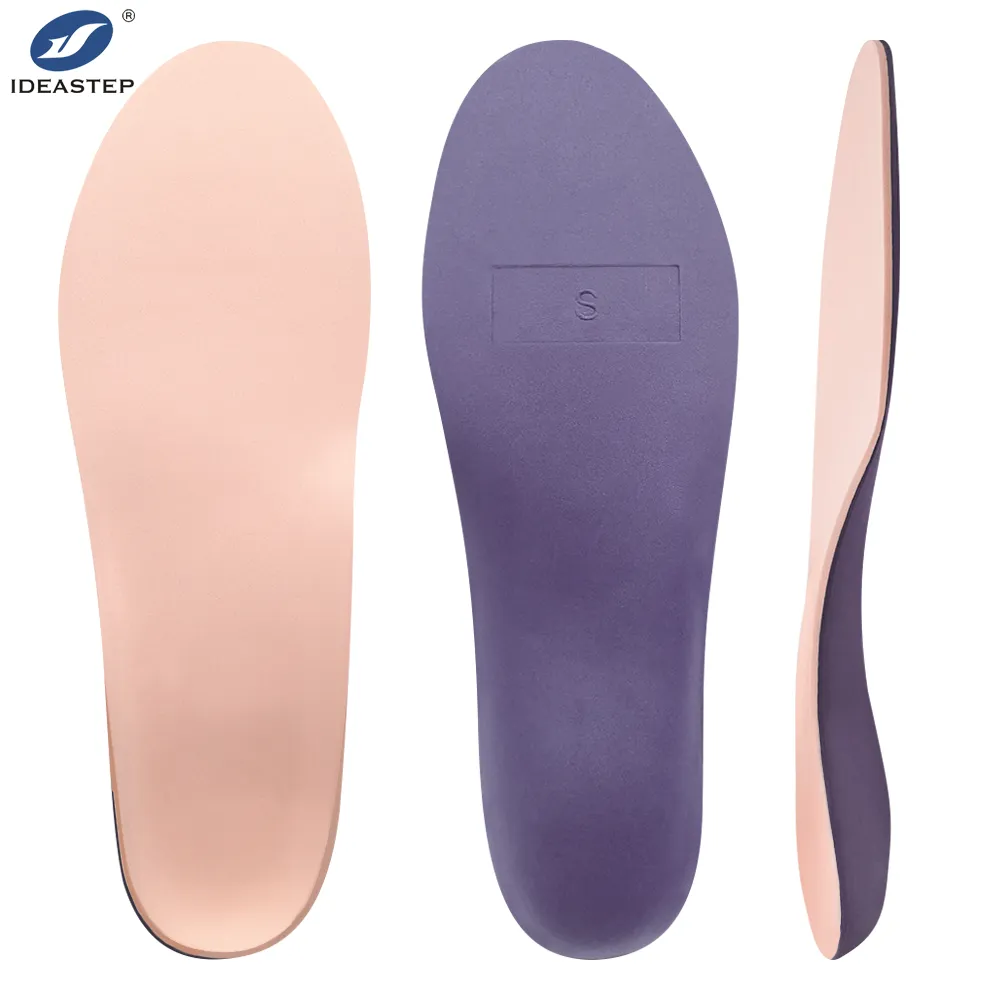
Pressure Distribution and Support Structure
Pressure management is one of the most important aspects of diabetic insole development.
During daily walking, pressure is not evenly distributed across the foot. Areas such as the heel and forefoot usually experience higher loading, which makes structural design especially important.
Professional diabetic insoles often use:
- Multi-density foam layers
- Targeted cushioning areas
- Anatomical contours
- Supportive heel structures
The goal is not to make the insole as soft as possible. A well-designed product needs to provide cushioning while maintaining enough support and stability.
Material Combination for Comfort and Durability
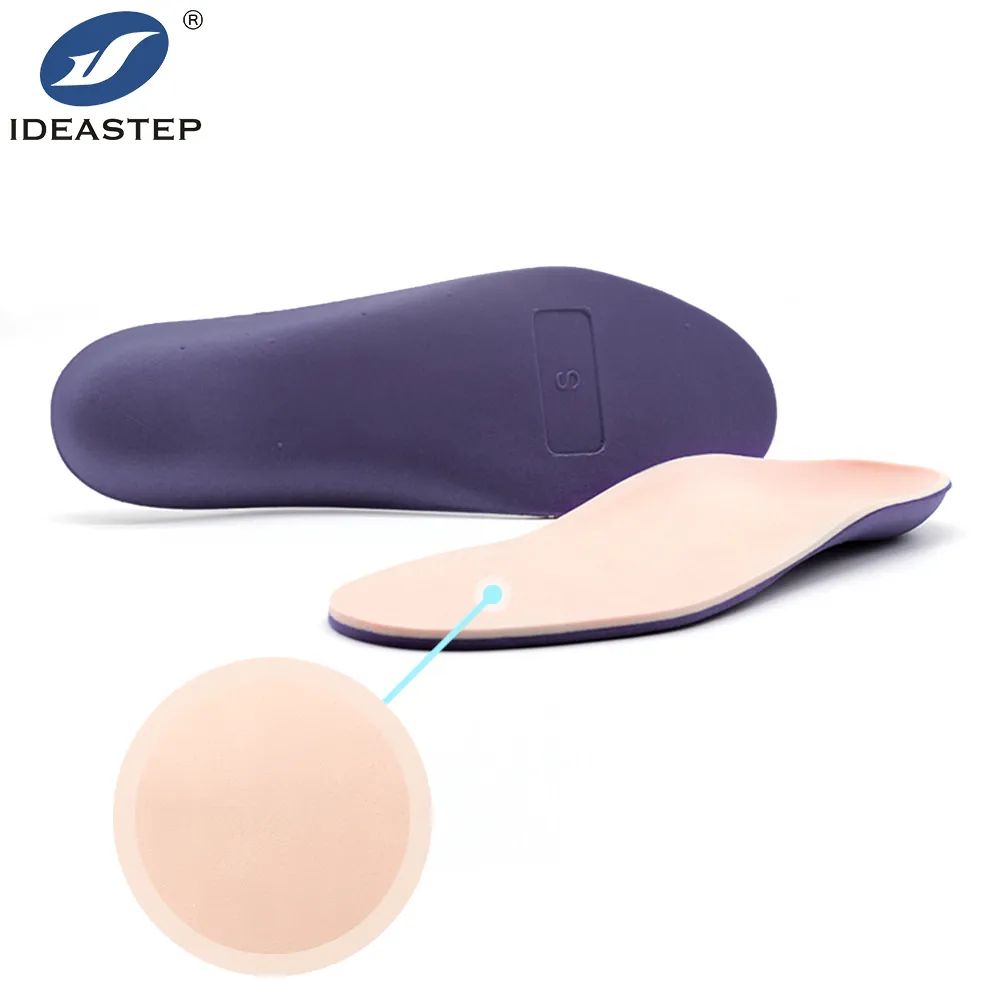
The performance of a diabetic insole depends heavily on material selection.
Different materials offer different advantages depending on the product requirements.
EVA Foam
EVA remains one of the most commonly used materials because it provides:
- Lightweight construction
- Flexible cushioning
- Adjustable hardness options
By changing density and hardness, manufacturers can develop products for different comfort levels and price ranges.
PU Foam and Composite Cushioning
PU foam is often selected when better resilience and durability are required.
Combined material structures can improve:
- Long-term cushioning performance
- Foot comfort
- Product lifespan
Gel and Targeted Cushioning Elements
Gel components can be added to specific areas where additional impact absorption is needed, such as the heel region.
For manufacturers, the right material combination depends on the target market, footwear type, and expected product performance.
Structural Features That Improve Diabetic Insole Performance
A diabetic insole is not simply a flat cushion. The internal structure determines how the product performs during daily use.
Important design considerations include:
- Appropriate arch support
- Heel stabilization
- Controlled thickness
- Pressure-relief zones
The structure needs to work together with the footwear. A design suitable for medical shoes may not be ideal for casual or everyday footwear.
Breathable Materials for Daily Wearing Comfort
Comfort is also influenced by the surface layer of the insole.
For daily footwear applications, top covers are often selected based on:
- Breathability
- Moisture control
- Soft touch
- Wear resistance
Materials such as breathable fabrics and microfiber covers are commonly used to improve the overall wearing experience.
Custom Diabetic Insoles Development for Brands
Different markets have different requirements. A distributor selling medical footwear may need a different product solution compared with a brand developing everyday comfort insoles.
Customization can involve:
Material Adjustment
Manufacturers can modify:
- EVA hardness
- Foam density
- Cushioning layers
- Top cover materials
These adjustments help create products for different positioning, from standard comfort models to higher-performance solutions.
Structural Modification
The insole structure can also be adjusted according to footwear and user requirements.
Common modifications include:
- Arch support level
- Heel design
- Insole thickness
- Support distribution
This flexibility allows companies to create products that better match their target customers.

OEM Manufacturing Support for Diabetic Insoles
Developing diabetic insoles involves more than production. Product design, material selection, and sample improvement are all important stages before mass manufacturing.
An experienced insole manufacturer can support:
- Design development
- Material recommendations
- Prototype production
- Sample refinement
- Bulk manufacturing
For medical footwear companies and foot care brands, this type of cooperation helps reduce development complexity and improve production efficiency.
Selecting a Diabetic Insole Manufacturing Partner
When choosing a supplier, companies should evaluate several practical factors.
Industry Experience
Manufacturers familiar with orthotic and diabetic footwear products can provide better suggestions during development.
Material Capability
Experience with EVA, PU, gel, and composite materials allows more flexible product solutions.
Development Flexibility
The ability to adjust structure and materials helps brands create products that match specific market requirements.
Production Consistency
Stable manufacturing processes and quality control are essential for long-term cooperation.
Building Better Diabetic Foot Care Products
The best shoe insoles for diabetics are not created by one single feature. Their performance comes from the combination of proper structure, suitable materials, and reliable production.
For companies entering the diabetic foot care market, working with a manufacturer that understands both product development and manufacturing requirements can make the difference between a basic insole and a well-designed solution.
Recommended Reading:
Diabetic insoles and foot health for diabetics
Why Diabetics Need Arch Support: A Key Solution for Foot Health