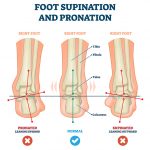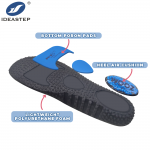
Most traditional insoles are made with a fixed shape, which means they may not perfectly match every foot structure. Since people have different arch heights, foot shapes, and pressure patterns, a standard insole may not always offer the right level of support and comfort.
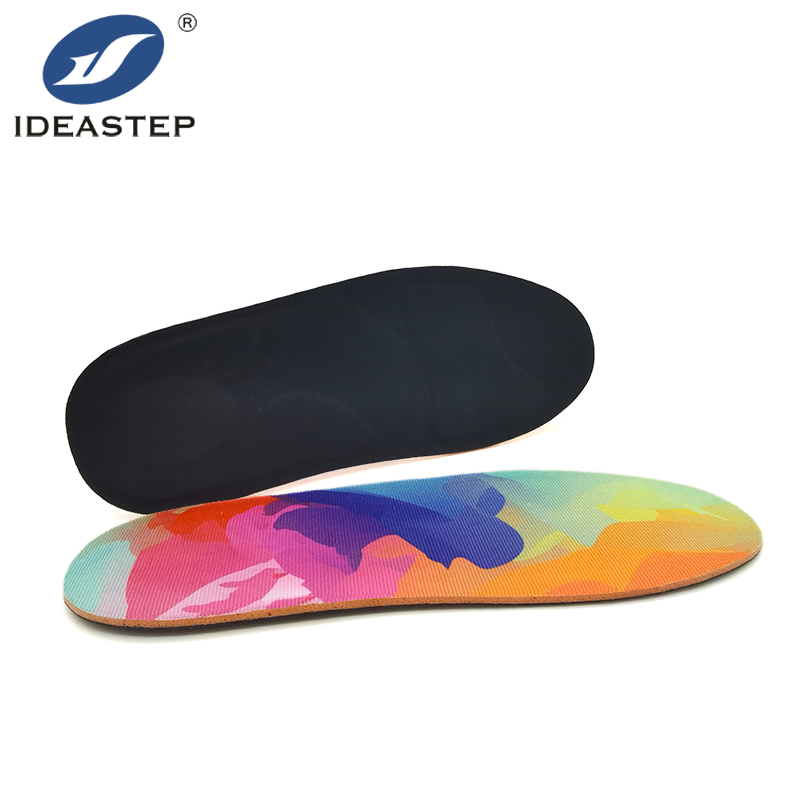
Heat moldable orthotic insoles are designed to solve this problem by using heat-sensitive materials that can be shaped according to the contours of the foot. After heating and molding, the insole cools into a stable structure that follows the adjusted shape.
Compared with regular insoles, heat moldable designs offer a closer fit and a more adaptable support experience. They are commonly used in situations where better foot alignment, comfort, and support are needed.
How Do Heat Moldable Orthotic Insoles Work?
The working principle of heat moldable orthotic insoles is based on thermoformable materials. These materials soften when exposed to controlled heat and become firm again after cooling.
The molding process usually includes three simple steps.
Heating the Insole
The insole is heated until the thermoformable layer reaches the correct temperature for shaping.
Proper temperature control is important because it affects how easily the material forms and how well it maintains its structure afterward.
Molding the Insole
Once softened, the insole is placed inside the footwear or on a molding platform.
During this stage, pressure from the foot helps shape areas such as:
- The arch area
- The heel section
- The main contact points of the foot
This creates a support structure that better follows the individual’s foot shape.
Cooling and Shape Stabilization
After molding, the insole cools and becomes firm again.
The final structure keeps the adjusted contour while maintaining its support properties during daily activities.
What Materials Are Used in Heat Moldable Orthotic Insoles?
The performance of heat moldable orthotic insoles depends largely on the combination of support materials and cushioning layers.
Thermoformable Support Layer
The thermoformable layer is the key component that makes molding possible.
A suitable material needs to balance:
- Flexibility during heating
- Stability after cooling
- Long-term shape retention
This layer determines how well the insole adapts during the molding process while maintaining support afterward.
Cushioning Materials
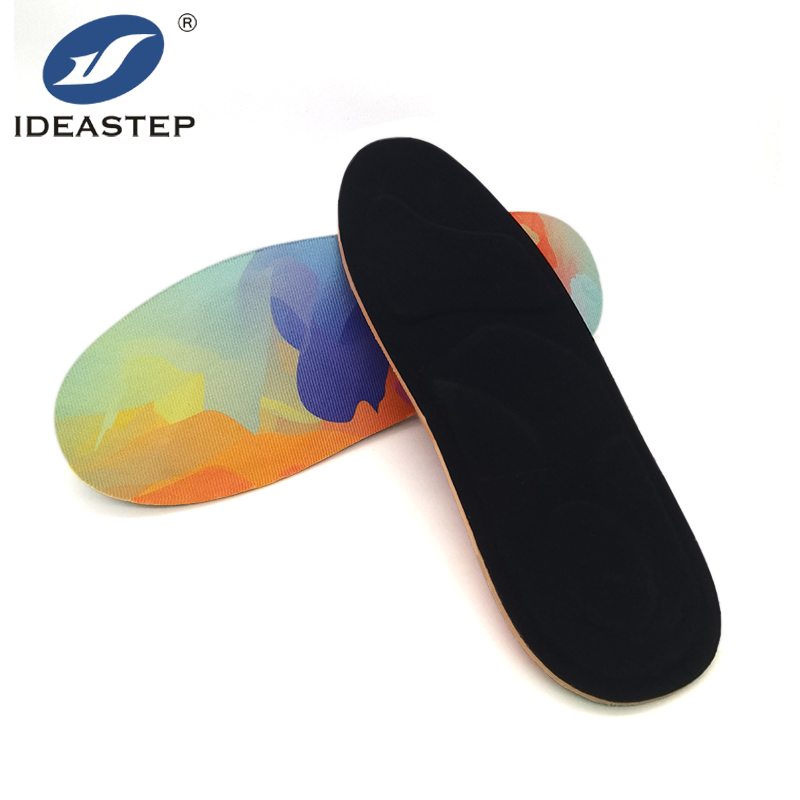
Cushioning layers improve comfort and help absorb impact during walking or standing.
EVA Foam
EVA foam is widely used in orthotic insoles because it is lightweight and flexible. Different densities can create different levels of cushioning and support.
PU Foam
PU foam offers good resilience and long-lasting cushioning performance. It is often used in insoles where extended comfort is required.
Top Cover Fabrics
The surface material directly contacts the foot, so breathable and moisture-control fabrics are commonly used to improve comfort.
Heat Moldable Orthotic Insoles vs Traditional Insoles
The main difference between heat moldable orthotic insoles and traditional insoles is adjustability.
| Feature | Heat Moldable Orthotic Insoles | Traditional Insoles |
|---|---|---|
| Shape | Can be adjusted through heat molding | Fixed shape |
| Fit | Designed to better follow foot contours | General foot shape |
| Support | Adjustable during fitting | Pre-designed structure |
| Usage | Suitable for customized support needs | Suitable for general comfort |
Traditional insoles can work well for everyday cushioning, while heat moldable options provide more flexibility when a closer fit is preferred.
Who Can Use Heat Moldable Orthotic Insoles?
Heat moldable orthotic insoles are commonly chosen by people who want improved comfort and better foot support.
They may be suitable for:
- People who spend many hours standing
- Individuals looking for additional arch support
- Athletes who need better footwear comfort
- People who prefer adjustable insole solutions
Different foot shapes and activity levels may require different support designs.
How to Choose Heat Moldable Orthotic Insoles?
Choosing the right insole depends on several factors.
Consider Foot Shape and Arch Type
The support structure should match the natural shape of the foot. Different arch heights may require different levels of support.
Check Material Comfort
The combination of foam layers, support materials, and top covers affects the overall wearing experience.
Match the Insole With Your Shoes
The thickness and design of the insole should fit properly inside the footwear without reducing comfort or changing the shoe fit.
A suitable insole should provide support while allowing natural movement.
Conclusion
Heat moldable orthotic insoles offer a practical option for people who need a more adaptable alternative to traditional fixed-shape insoles.
By using thermoformable materials, these insoles can be heated, adjusted, and reshaped to better match individual foot contours. Combined with supportive structures and cushioning materials, they provide a balance between comfort, flexibility, and stability.
Understanding how heat moldable insoles work can help people choose the right type of foot support based on their needs, footwear, and activity level.
Related Reading:
Customizable Insoles for Daily Walking with Heat Moldable Cushioning Support
What You Should Know Before Buying Heat Moldable Insoles Reviews and Real User Feedback