For brands and distributors, sourcing orthotic insoles is not always as simple as selecting a ready-made model. Product requirements can vary by footwear type, target user, support level, material, and price range.
For this reason, many companies look for an orthotic insoles supplier that can handle more than standard production. OEM and ODM services allow product specifications, materials, construction, branding, and packaging to be adjusted around a specific market or product line.
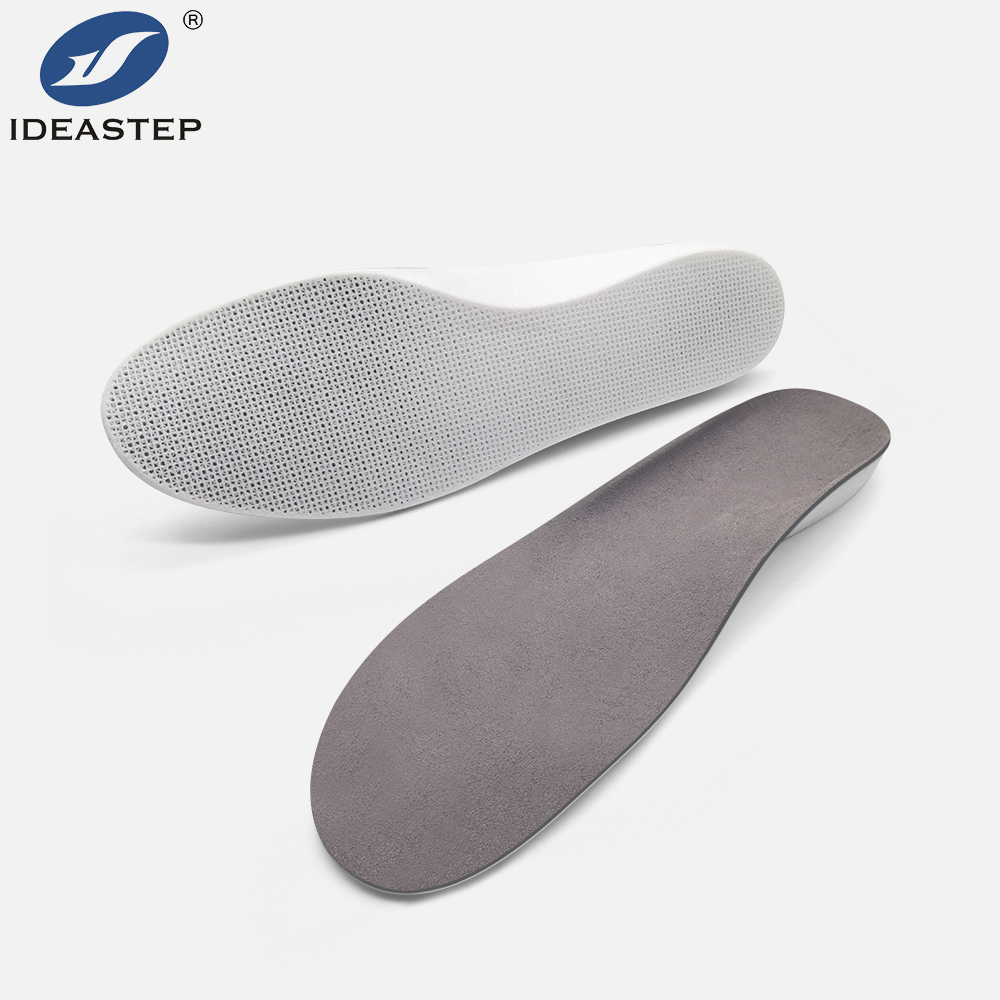
Customization Options for Orthotic Insoles
Custom work can involve the actual construction of the insole, not just its appearance.
Insole Structure and Support
The structure can be adjusted to suit the intended application and footwear.
Typical options include:
- Arch support height
- Heel cup design
- Metatarsal support
- Forefoot cushioning
- Reinforcement areas
- Overall thickness
These details affect how the insole fits inside the shoe and how it feels underfoot. A sports insole, for example, may need a different balance of flexibility and stability than a product designed for everyday footwear.
Materials and Hardness
The material combination has a direct effect on cushioning, support, weight, and durability.
Common choices include:
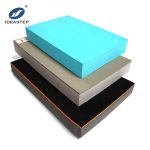
- EVA foam
- PU foam
- TPU support components
- Gel cushioning
- Breathable fabrics
Foam density and hardness can be adjusted as part of the specification. In practice, material selection and structural design need to be considered together. Changing one can affect the performance of the other.
Top Covers, Branding, and Packaging
The top cover is another area where products can be differentiated. Depending on the application, brands may choose breathable textiles, microfiber, Micro Velvet, or other functional fabrics.
For private-label products, customization can also extend to:
- Logo printing
- Brand labels
- Product colors
- Retail packaging
- Private-label packaging
This gives brands more control over the finished product rather than relying on a generic insole with a new logo.
OEM and ODM: Two Different Approaches
OEM and ODM are both common in orthotic insole manufacturing, but the development process is different.
OEM Orthotic Insoles
OEM works well when the buyer already has a defined product or detailed specifications.
The supplier manufactures according to the agreed requirements, which may cover:
- Dimensions
- Materials
- Hardness
- Support structure
- Branding
- Packaging
This approach is commonly used when a brand has an established product and needs dependable manufacturing capacity.
ODM Orthotic Insoles
ODM involves more input from the manufacturer.
A project may begin with a target application, product concept, or set of performance requirements. The supplier can then participate in material selection, structural design, prototype development, and production adjustments.
This model is useful for companies entering a new product category without a complete product development team of their own.
In simple terms, OEM starts with a defined product specification, while ODM gives the manufacturer a larger role in developing the product.
From Specification to Production
A custom project usually becomes much easier to manage when the requirements are clear from the beginning.
Define the Product
The initial specification may include:
- Target users
- Footwear type
- Support level
- Cushioning requirements
- Product thickness
- Target cost
These details provide a starting point for material and structural decisions.
Develop the Structure and Materials
Once the requirements are established, the supplier can work on the construction and material combination.
Depending on the application, this may involve selecting different foam densities, hardness levels, support components, cushioning layers, or top-cover materials.
The objective is to meet the required performance without making the insole unnecessarily heavy, thick, or expensive.
Prototype and Sample Approval
Samples are used to check whether the design works as expected before production.
Typical checks include:
- Fit inside the target shoe
- Arch and heel support
- Comfort
- Dimensions
- Surface finish
- Overall appearance
Changes are much easier to make at this stage than after bulk production has started.
Bulk Production and Quality Control
After sample approval, production moves to the agreed specifications.
Quality checks may cover incoming materials, dimensions, bonding, surface finishing, and finished-product consistency.
For repeat orders, batch-to-batch consistency becomes particularly important. The product delivered six months later should still match the approved sample.
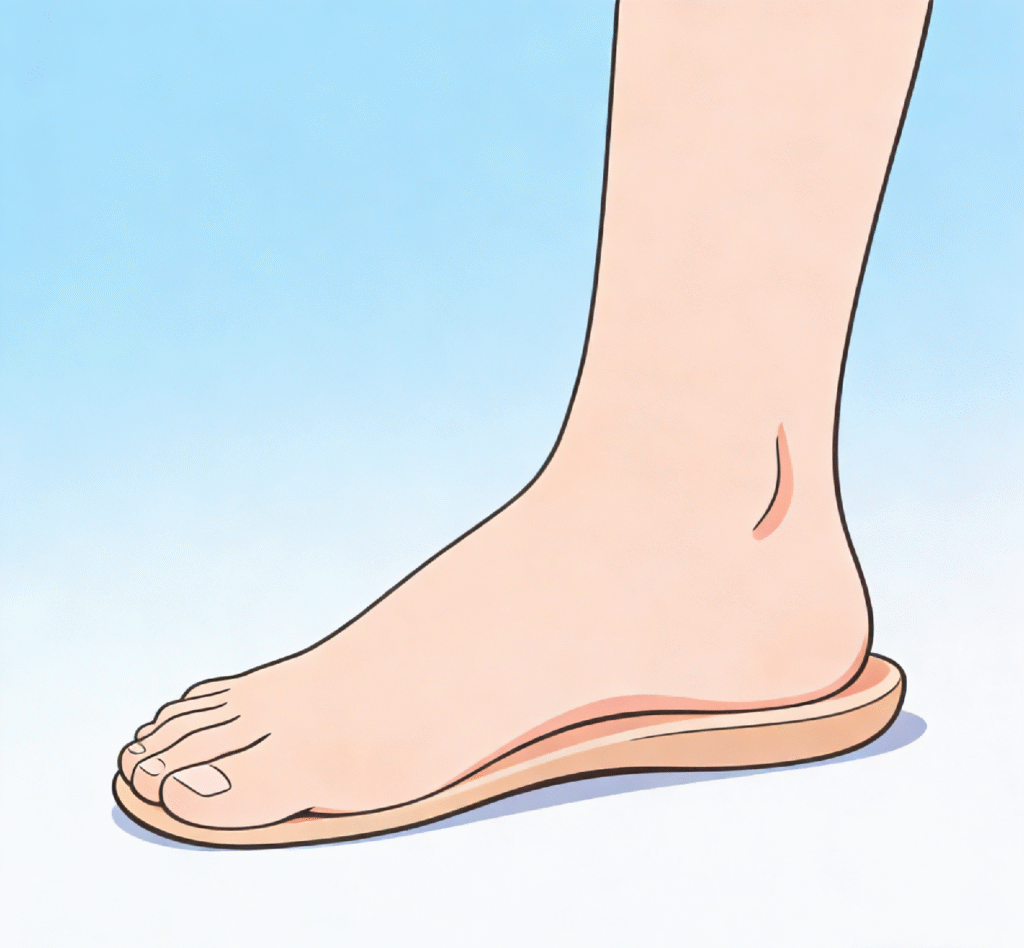
Orthotic Insole Solutions for Different Applications
The same construction will not necessarily suit every product category.
Medical and Foot Care Products
These products may place more emphasis on:
- Arch support
- Pressure distribution
- Cushioning
- Stability
- Comfortable materials
The exact construction depends on the intended use and product requirements.
Sports and Performance Insoles
Sports products often require a balance between support and movement.
Typical priorities include:
- Shock absorption
- Stability
- Lightweight construction
- Energy return
- Moisture management
The insole also needs to work within the limited space available inside performance footwear.
Everyday Comfort Insoles
Daily-use products generally focus on a practical combination of cushioning, breathability, flexibility, and wearing comfort.
Material selection and overall thickness are particularly important when the insole needs to fit a wide range of shoes.
What to Check Before Working With a Supplier
Price is only one part of the sourcing decision. Before starting an OEM or ODM project, it is worth looking at the supplier’s actual manufacturing capabilities.
Orthotic Manufacturing Experience
Experience with orthotic insoles matters because support structures, foam materials, and construction methods require different considerations from standard comfort insoles.
Real Customization Capability
Ask specifically what can be changed.
Depending on the supplier, this may include:
- Structure
- Materials
- Hardness
- Thickness
- Top cover
- Branding
- Packaging
If the service is limited to changing the logo and packaging, it is closer to private labeling than full product customization.
Sampling and Development
The supplier should have a practical process for prototype development and revisions.
It is useful to clarify:
- Sample lead time
- Available materials
- Revision process
- Technical communication
- Sample approval procedure
Quality Control
Ask how materials and finished products are inspected and how consistency is maintained during production.
For recurring orders, quality control should not depend solely on a final visual inspection. Material specifications, dimensions, construction, and production procedures all contribute to consistency.
Production Capacity
Capacity should match the expected order volume. A supplier may be suitable for samples and small trial orders but struggle when demand increases.
For growing brands, it is worth considering whether the supplier can support the transition from initial orders to regular bulk production.
Common Sourcing Mistakes
Choosing Only on Unit Price
A low quotation can look attractive at the beginning, but inconsistent materials, defects, delays, or rework can quickly increase the actual sourcing cost.
Compare suppliers based on the complete offer rather than the unit price alone.
Skipping Sample Approval
A drawing or specification sheet cannot always reveal how an insole will fit, feel, or perform inside the target shoe.
A physical sample provides a much better basis for confirming the product before production.
Assuming Private Label Means Custom Manufacturing
Adding a logo to a standard insole is useful for some businesses, but it is different from changing the actual product.
Brands requiring specific support structures, materials, or dimensions should confirm the supplier’s customization capabilities before placing an order.
Building a Long-Term Supply Relationship
For an established product line, supplier performance becomes increasingly important after the first order.
Once a product has been approved, consistent materials, specifications, and production processes make repeat orders easier to manage. When a new model is developed, previous product experience can also shorten the development process.
This is particularly useful for brands expanding from one orthotic insole into several models for different applications or price points.
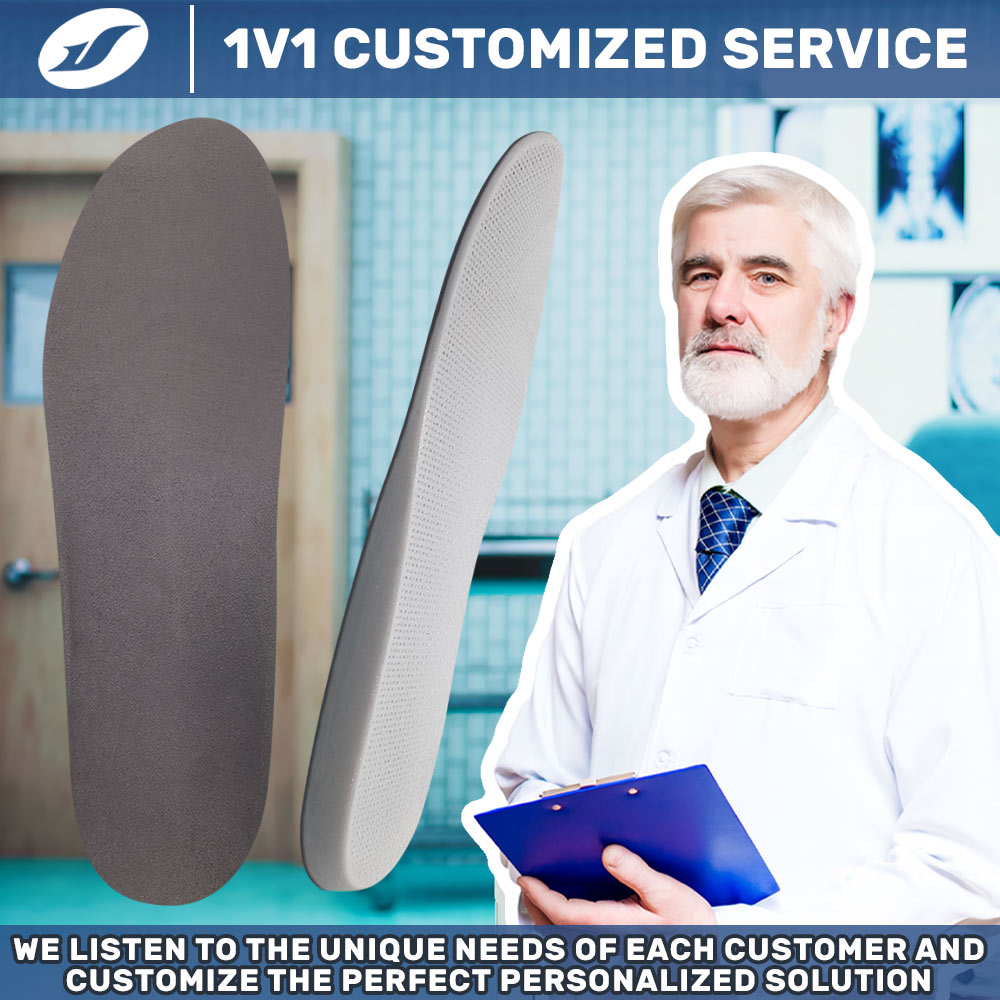
Conclusion
An orthotic insoles supplier offering OEM ODM custom solutions should be able to do more than manufacture a standard product.
For brands and distributors, the important areas are straightforward: structure, materials, customization, sampling, quality control, and production capacity.
Evaluating these capabilities before cooperation can reduce development problems and make the transition from prototype to bulk production much smoother.
A supplier with solid orthotic manufacturing experience can provide the production foundation needed to develop, refine, and scale an insole product line.
Interested in OEM, ODM, or custom orthotic insoles? Contact our team to discuss your requirements and start your project.
Related Reading: Custom Orthotic Insoles Manufacturer for OEM & Bulk Orders.