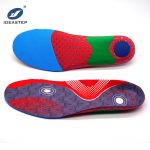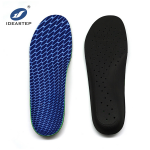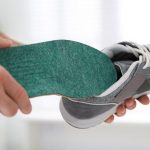
Metatarsal orthotic insoles are developed to improve forefoot support and help manage pressure distribution in the metatarsal area.
For footwear brands and insole distributors, developing this type of product requires more than adding a support pad. The position of the support element, material selection, cushioning structure, and overall thickness all influence the final performance.
A well-developed insole needs to fit the footwear design while maintaining a balance between support, comfort, flexibility, and production feasibility.
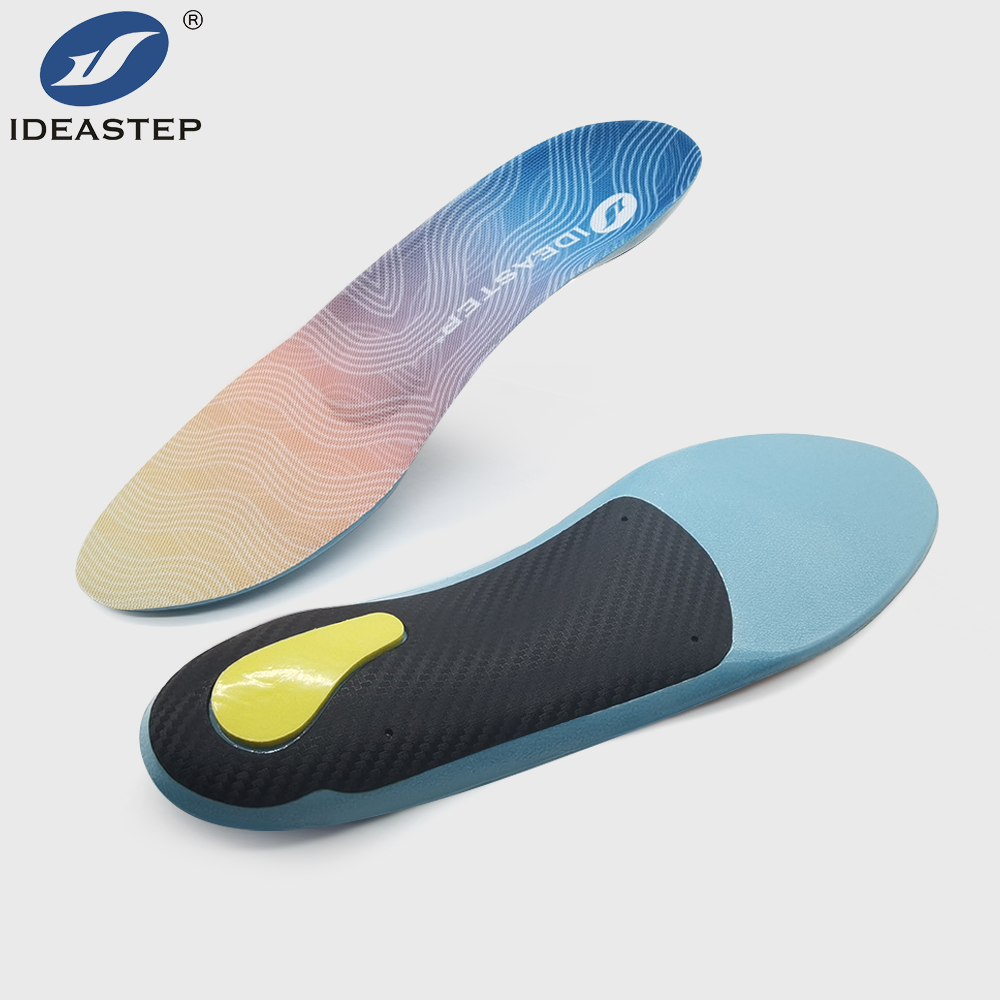
Key Design Features of Metatarsal Orthotic Insoles
Metatarsal Support Design
The design of the metatarsal support area plays an important role in the overall feel of the insole.
During development, manufacturers usually consider:
- Support position
- Support height and firmness
- Forefoot contour
- Transition between cushioning and support areas
The support profile needs to provide effective contact with the foot without creating excessive pressure in a specific area. Small changes in height or positioning can significantly affect comfort and fit.
Cushioning Structure
The forefoot absorbs repeated impact during walking, running, and long periods of standing. The cushioning system therefore needs to provide comfort while maintaining enough structure.
Common material choices include:
- EVA foam
- PU foam
- PORON
- Gel cushioning
Different materials serve different purposes. EVA is often used as the main cushioning base, while softer cushioning materials can be added in targeted areas for improved comfort.
The final construction depends on the intended use, footwear type, and expected product performance.
Heel and Arch Integration
Although the main focus is the metatarsal area, the insole should function as a complete support system.
Many designs combine:
- Heel stabilization
- Moderate arch support
- Forefoot cushioning
- Flexible transition areas
A balanced structure helps the insole work better across different footwear categories, from casual shoes to sports and work footwear.
Materials Used in Metatarsal Orthotic Insoles
Material selection directly affects the comfort, durability, weight, and price positioning of the final product.
| Material | Function |
|---|---|
| EVA Foam | Lightweight cushioning and base structure |
| PU Foam | Soft cushioning and long-term comfort |
| TPU | Structural reinforcement and stability |
| PORON | Targeted impact absorption |
| Gel | Additional cushioning support |
| Microfiber | Durable and comfortable surface layer |
| Breathable Fabric | Improved surface comfort |
Most commercial insoles use a combination of materials rather than a single layer.
For example, an EVA base can provide lightweight cushioning, while TPU reinforcement improves support in the heel or midfoot area. The material combination can then be adjusted according to the product application and target market.
Applications of Metatarsal Orthotic Insoles
Medical and Foot Care Products
For professional foot care applications, product consistency and long-term wearing comfort are key considerations.
These products usually require stable support structures, durable materials, and reliable performance across repeated use.
Sports Footwear
Sports insoles need to maintain support while keeping weight and flexibility under control.
Lightweight foam materials combined with targeted reinforcement are commonly used for running and active footwear applications.
Work and Safety Shoes
Work footwear places higher demands on durability and compression resistance.
In these applications, denser foam structures, reinforced support components, and durable top covers are often considered.
Customization Options for Footwear Brands
For OEM and private-label projects, metatarsal orthotic insoles can be adjusted according to different product requirements.
Structural Customization
Common adjustments include:
- Metatarsal support position
- Support height and firmness
- Arch profile
- Heel cup design
- Overall thickness
- Forefoot flexibility
These options allow the same product concept to be adapted for different footwear designs.
Material Customization
Material combinations can be developed based on the desired performance level.
Examples include:
- Lightweight EVA constructions for sports footwear
- Multi-layer cushioning systems for comfort-focused products
- TPU-reinforced structures for additional support
The right combination depends on the balance between performance, cost, and manufacturing requirements.
Private Label Development
For brands building their own product lines, customization can also include:
- Logo printing
- Top cover materials
- Colors
- Packaging
- Size ranges
These details help create a product that matches the brand positioning and target market.
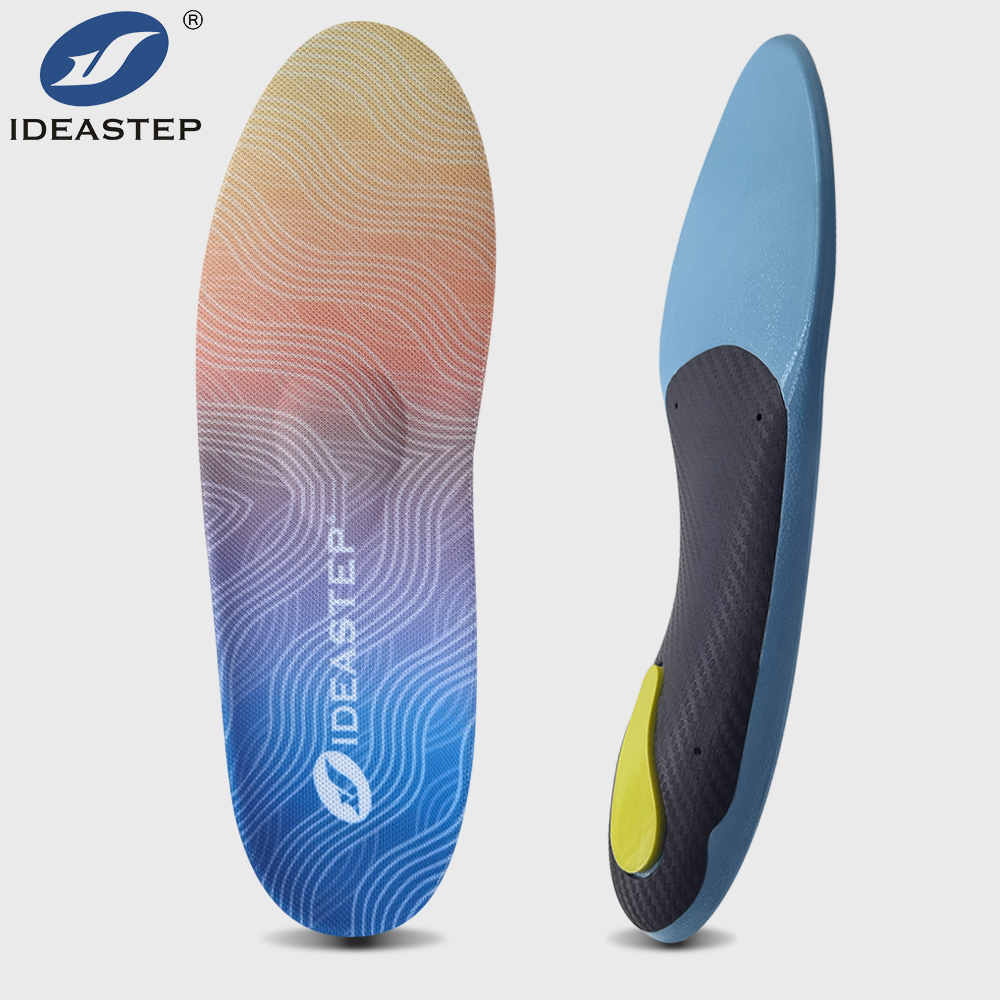
Metatarsal Orthotic Insole Development Process
1. Define Product Requirements
Before development begins, the main requirements should be confirmed, including footwear type, target users, support level, cushioning needs, thickness limitations, and price range.
2. Develop the Structure
The support geometry, cushioning layers, reinforcement components, and surface materials are designed based on the product requirements.
3. Prototype and Evaluation
Samples are tested for:
- Shoe fit
- Support feel
- Cushioning performance
- Flexibility
- Overall thickness
Feedback from testing is used to adjust the structure before production.
4. Production Control
Once approved, production focuses on maintaining consistency in:
- Material properties
- Dimensions
- Bonding quality
- Surface finishing
This ensures stable quality across larger production orders.
Choosing a Metatarsal Orthotic Insole Manufacturer
When selecting a manufacturing partner, brands should consider both production capability and development experience.
Key capabilities include:
- Orthotic insole design experience
- Material processing knowledge
- OEM and private-label support
- Prototype development
- Quality control systems
A capable manufacturer can help optimize the product structure, material selection, and production process to meet both market expectations and commercial requirements.
Conclusion
Developing effective metatarsal orthotic insoles requires careful coordination between support design, material selection, cushioning performance, and footwear compatibility.
For footwear brands and distributors, a well-planned development process makes it easier to create products that meet different market needs while remaining suitable for efficient volume production.
Related Reading:
High Heel Insoles with Metatarsal and 3/4 Arch Support
ideastep 622-4 orthopedic insoles: relieve metatarsal pain