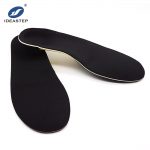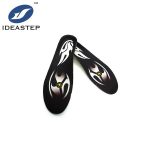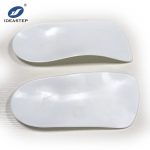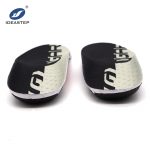
A good insole should do more than add cushioning. For footwear brands, wholesalers, and distributors, it should provide the right balance of comfort, support, durability, and product value.
Memory foam arch support insoles combine the cushioning properties of memory foam with a contoured arch structure. They are suitable for casual shoes, walking footwear, sneakers, work shoes, and everyday foot care products.
For commercial applications, the material is only part of the solution. The insole structure, arch profile, thickness, and footwear compatibility all affect the final product.
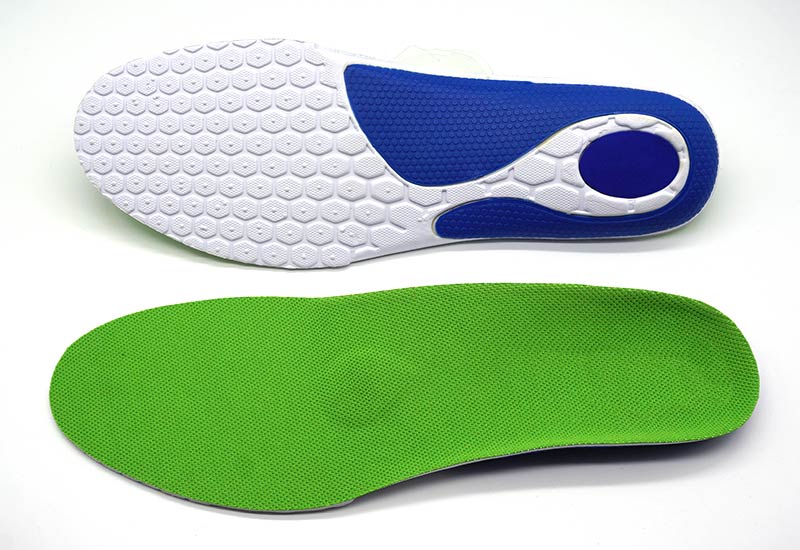
What Are Memory Foam Arch Support Insoles?
Memory foam arch support insoles combine a cushioning layer with a shaped arch support design.
A typical construction may include:
| Layer | Main Function |
|---|---|
| Top Cover | Comfort and moisture management |
| Memory Foam | Cushioning |
| EVA Foam | Resilience and flexibility |
| Arch Support | Structural support |
| Bottom Layer | Grip and stability |
The construction can be adjusted according to the footwear and target market. Softer materials may be suitable for lifestyle footwear, while firmer support components can be used when greater structure is required.
Key Benefits of the Construction
Cushioning
Memory foam provides a soft underfoot feel and can be combined with EVA or other foam materials to adjust the cushioning response.
Arch Support
The contoured arch area gives the insole more structure than a flat foam insert. Arch height and geometry can be adjusted during product development.
Lightweight Design
Lightweight foam materials allow manufacturers to add cushioning and support without unnecessarily increasing the weight of the footwear.
Flexible Product Development
Different materials, densities, thicknesses, and support components can be combined to create products for different applications and price levels.
Material Selection Matters
Not all memory foam insoles have the same performance. Foam density, hardness, thickness, compression behavior, and recovery can all affect the finished product.
EVA is often used with memory foam because it offers a practical balance of cushioning, resilience, flexibility, and weight.
For additional structural support, TPU can be incorporated into the arch or heel area.
The top cover can also be customized. Knitted fabric, mesh, microfiber, and other textile materials can be selected according to the footwear application and branding requirements.
What Should B2B Buyers Look At?
When sourcing memory foam arch support insoles, several details are worth checking before mass production.
Arch Profile: The support level should match the intended product and target footwear.
Thickness: Excessive thickness can reduce the internal space of the shoe and affect fit.
Heel Cup: A shaped heel cup can help maintain foot positioning and should work with the target shoe last.
Bottom Surface: The bottom construction should provide suitable grip and stability inside the shoe.
Construction Quality: Layer bonding, edge finishing, dimensions, and material consistency are important for repeat wholesale orders.
Applications
The combination of cushioning and structured support makes these insoles suitable for:
- Casual and lifestyle footwear
- Walking shoes
- Sneakers
- Work footwear
- Everyday comfort products
- Foot care product ranges
For distributors, different materials and support levels can also be used to create multiple product tiers within the same category.
OEM and Private Label Development
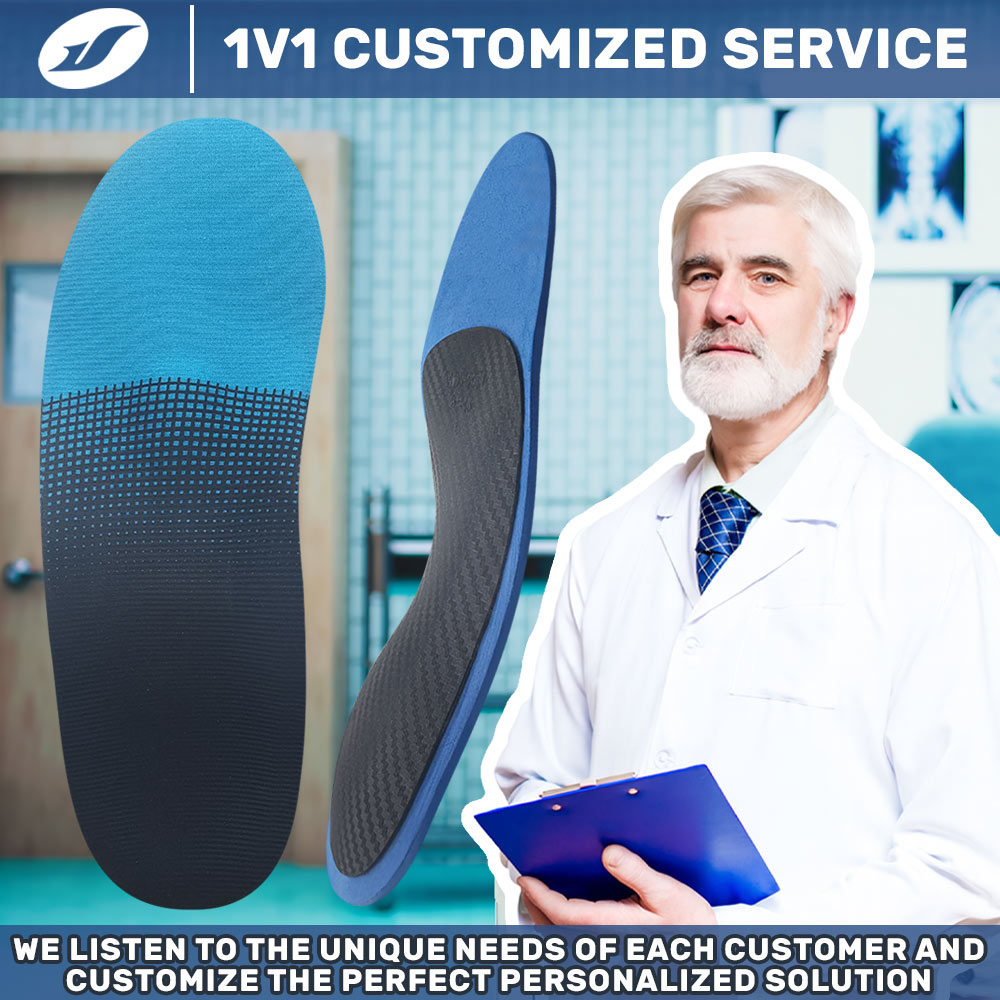
Many footwear brands and wholesalers need more than a standard stock insole. They may require a specific arch profile, material combination, size range, logo, or packaging design.
Ideastep supports OEM, ODM, and private-label insole development, with customization options including:
- Size and shape
- Arch profile
- Foam materials and densities
- TPU or other support components
- Top-cover materials
- Colors and branding
- Packaging
An existing product or sample can also be used as the starting point for a customized version.
Before mass production, samples can be evaluated for fit, thickness, cushioning, arch structure, bonding, and compatibility with the target footwear.
FAQ About Memory Foam Arch Support Insoles
Can these insoles be customized?
Yes. Ideastep supports OEM, ODM, and private-label projects, including customization of the arch profile, size, materials, top cover, logo, colors, and packaging.
What materials can be combined with memory foam?
Memory foam can be combined with EVA, TPU, and different fabric top covers to achieve different levels of cushioning, flexibility, support, and durability.
Can I request samples before a bulk order?
Yes. Samples can be developed or provided for evaluation before mass production. Buyers can check fit, thickness, cushioning, arch structure, and overall construction.
Are memory foam arch support insoles suitable for wholesale?
Yes. They can be developed for wholesalers, distributors, footwear brands, and private-label programs, with product specifications and packaging tailored to the project.
Why Choose Ideastep?
The performance of an insole depends on the complete construction rather than one material. An experienced manufacturer should be able to support material selection, product structure, sampling, customization, production, and quality control.
Ideastep provides B2B insole manufacturing and OEM/ODM solutions for footwear brands, wholesalers, distributors, and foot care businesses.
From material selection and structural design to sampling, branding, packaging, and bulk production, we can develop insole products around your market and footwear requirements.
If you are looking for memory foam arch support insoles for wholesale or private-label production, contact Ideastep to discuss your materials, sizes, support structure, branding, packaging, and order requirements.
Explore More:
Memory Foam Insoles for Football Boots
Memory Foam Insoles characteristic