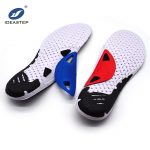
Modern footwear is becoming lighter and more flexible, creating demand for insole solutions that provide support without adding extra bulk.
Thin insoles for flat feet combine a low-profile design with functional arch support, making them suitable for footwear brands, wholesalers, and distributors developing comfortable and lightweight footwear products.
For B2B buyers, the key factors are not only thickness but also material selection, support structure, durability, and footwear compatibility.
What Are Thin Insoles for Flat Feet?
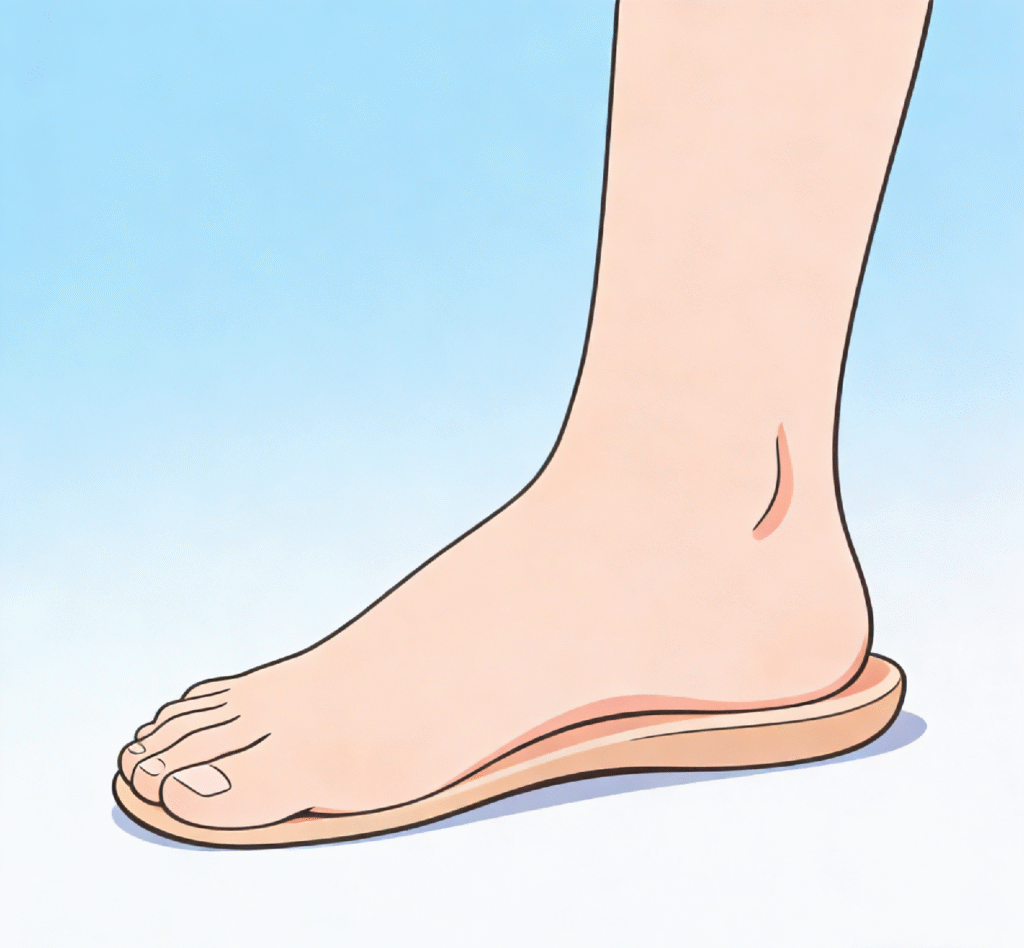
Thin insoles for flat feet are low-profile shoe inserts designed to provide cushioning and arch support while maintaining enough space inside footwear.
Compared with traditional thick orthotic inserts, thin designs are easier to integrate into:
- Casual shoes
- Sneakers
- Work footwear
- Dress shoes
- Lightweight outdoor footwear
A successful thin insole needs to balance:
- Slim profile
- Support performance
- Cushioning
- Comfortable fit
How Do Thin Insoles Provide Arch Support?
A thinner design does not mean reduced functionality. The performance of an insole depends mainly on its structure and material combination.
Customized Arch Design
Manufacturers can adjust:
- Arch height
- Arch contour
- Support areas
- Material hardness
This allows different versions to be developed for various footwear applications.
Multi-Layer Construction
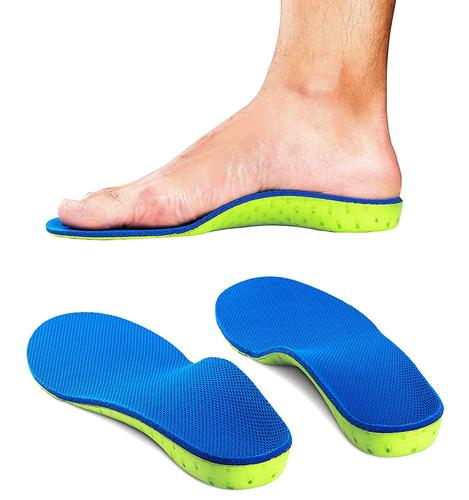
Most thin arch support insoles use multiple layers to achieve a balance between comfort and stability.
A typical construction includes:
Fabric Top Cover + Cushioning Layer + Support Base
Common material combinations include:
- Fabric for surface comfort
- EVA foam for cushioning
- TPU components for additional support
Materials Used in Thin Flat Feet Insoles
Material selection determines the final performance and market positioning.
EVA Foam
EVA is widely used in thin insoles because it is lightweight, flexible, and easy to customize with different densities and hardness levels.
TPU Support Components
TPU can be added to improve structural support and durability, especially in arch and heel areas.
Memory Foam and PU Foam
Memory foam and PU foam can enhance cushioning and improve the overall comfort experience.
Applications of Thin Insoles
Casual and Lifestyle Footwear
Thin insoles are suitable for shoes where maintaining original fit and appearance is important.
Work Footwear
For work shoes and boots, buyers usually focus on durability, support, and long-term performance.
Sports and Walking Shoes
Thin insoles for sports applications need to balance:
- Lightweight design
- Cushioning
- Flexibility
- Support
OEM and ODM Options for Thin Insoles
For footwear brands and distributors, customized thin insoles provide opportunities to develop differentiated product lines.
OEM and ODM services may include:
- Custom insole shape
- Customized arch profiles
- Material selection
- Thickness adjustment
- Logo printing
- Private labeling
- Custom packaging
A professional supplier can help customers develop different versions for casual shoes, work footwear, and sports applications.
What Should B2B Buyers Consider When Sourcing Thin Insoles?
Choosing a supplier requires evaluating both product quality and manufacturing capability.
Material and Design Capability
A reliable supplier should be able to balance:
- Thickness
- Support level
- Cushioning
- Footwear compatibility
Production Consistency
For wholesale and private-label projects, buyers should pay attention to:
- Material stability
- Dimensional accuracy
- Bonding quality
- Quality control
- Repeat production capability
OEM/ODM Experience
An experienced supplier should support the complete process:
Design → Sampling → Production → Packaging
This helps brands reduce development time and maintain consistent product quality.
Choosing the Right Thin Insole Supplier
A qualified supplier should provide more than manufacturing capacity.
B2B buyers should consider:
- Material expertise
- Custom development ability
- Quality control systems
- Production capability
- OEM/ODM support
A reliable manufacturing partner can help transform product concepts into scalable commercial solutions.
Conclusion
Thin insoles for flat feet provide footwear brands and distributors with a lightweight solution for adding arch support while maintaining modern shoe designs.
By combining materials such as EVA, TPU, PU foam, memory foam, and breathable fabrics, manufacturers can create customized thin insole solutions for different footwear markets.
For B2B buyers, successful product development depends on design capability, material selection, customization options, and reliable production support.
Related Reading:
Shoe Inserts for Flat Feet Custom Support Orthotic Insoles
Should I Wear Running Insoles for Flat Feet?