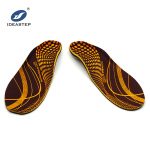
Finding the right orthotic insoles manufacturer is an important step for brands, distributors, footwear companies, and healthcare-related businesses that need consistent quality and stable supply.
A suitable manufacturing partner should not only provide finished products but also understand material selection, product development, customization requirements, and large-scale production. For B2B buyers, factors such as manufacturing experience, technical capability, quality control, and communication efficiency often have a greater impact than price alone.
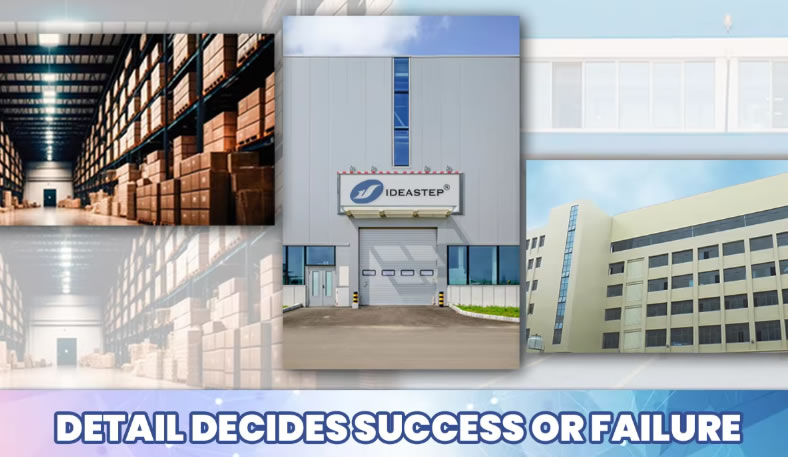
Evaluate Manufacturing Experience and Production Capability
An experienced orthotic insole manufacturer should have the ability to develop and produce different types of insoles rather than relying only on standard models.
Experience with materials such as EVA, TPU, PU, foam, gel, and fabric allows manufacturers to select suitable combinations for different footwear applications. It also helps them adjust the insole structure according to specific requirements, including cushioning, support, flexibility, and durability.
For wholesale buyers, a complete production process from material preparation and sample development to bulk manufacturing is important for maintaining consistent product quality.
Check OEM and Custom Development Capability
Many buyers need more than existing products. Private-label brands and distributors often require customized designs based on their target market, footwear type, or product positioning.
A capable manufacturer should be able to develop products based on samples, drawings, CAD files, or technical specifications and provide suitable suggestions during the development process.
Common customization options include:
- Insole size and shape
- EVA hardness and density
- Arch support structure
- Heel cup design
- Material combinations
- Top-cover options
- Logo and packaging requirements
A clear development process helps reduce unnecessary adjustments and improves efficiency from concept to production.
Understand Material Selection and Product Design
The performance of an orthotic insole depends largely on the materials and structure used in the design.
EVA is widely used for lightweight cushioning and flexible support, while TPU can be added when a stronger structural component is needed. Other materials, such as PU, foam layers, gel, and fabric covers, can also be combined to achieve different product characteristics.
A manufacturer with strong material knowledge can help buyers select a practical construction based on the intended footwear, target price, and performance requirements.
Review Quality Control Before Bulk Production
Consistent quality is essential for wholesale and private-label orders. Before placing a large order, buyers should understand how the manufacturer manages quality throughout the production process.
Key areas to review include:
- Raw material inspection
- Sample approval procedures
- Size and dimension control
- Material consistency
- Finished product inspection
- Packaging standards
A clear quality control process helps ensure that repeat orders maintain the same specifications and product performance.
Consider Production Capacity and Supply Stability
For distributors and footwear brands, reliable supply is just as important as product design. A manufacturer should have sufficient production capability to support both trial orders and long-term cooperation.
Before starting a project, buyers should confirm important details such as production capacity, lead time, minimum order quantity, and communication process.
Clear expectations at the beginning help create a smoother production process and reduce potential delays.
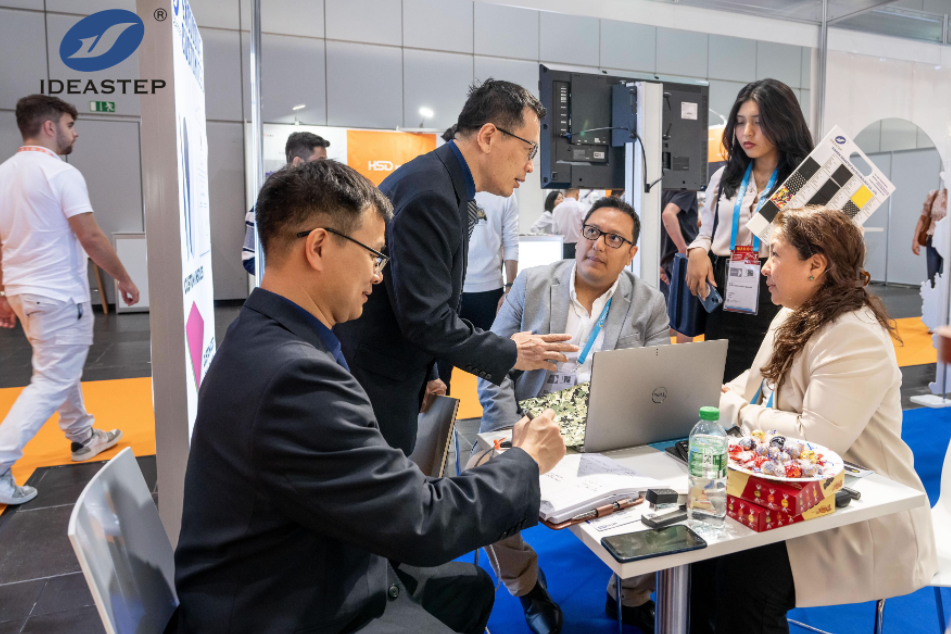
Choose a Manufacturer Familiar with B2B Requirements
Different markets have different expectations for orthotic insoles. Medical suppliers, sports brands, footwear manufacturers, and retail distributors may require different materials, structures, packaging, and documentation.
A manufacturer familiar with international B2B projects can better understand these differences and provide more suitable solutions during product development.
Confirm Samples Before Mass Production
For customized orthotic insoles, sample approval is an important stage before bulk manufacturing.
A professional manufacturer should be able to develop samples according to the confirmed requirements and make adjustments when necessary. Buyers can evaluate the structure, material combination, dimensions, appearance, and fit before final production.
Once the sample is approved, the confirmed specifications can be used as the production reference for future orders.
Finding the Right Orthotic Insoles Manufacturer
The right orthotic insoles manufacturer should provide more than a product catalog. Manufacturing experience, customization ability, material knowledge, quality control, and stable production capacity are the foundation of long-term cooperation.
If you are sourcing custom orthotic insoles for OEM or wholesale projects, you can contact us to discuss your product requirements. We can review the material selection, structure design, sample development, and production requirements based on your project.
Related Reading:
Ideastep Custom 3D Printed Insoles for Professional Orthotic Solutions
Why Industry Partners Choose Ideastep for Custom Orthotic Insoles