Introduction
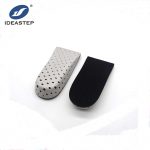
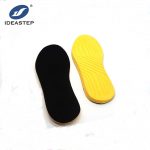
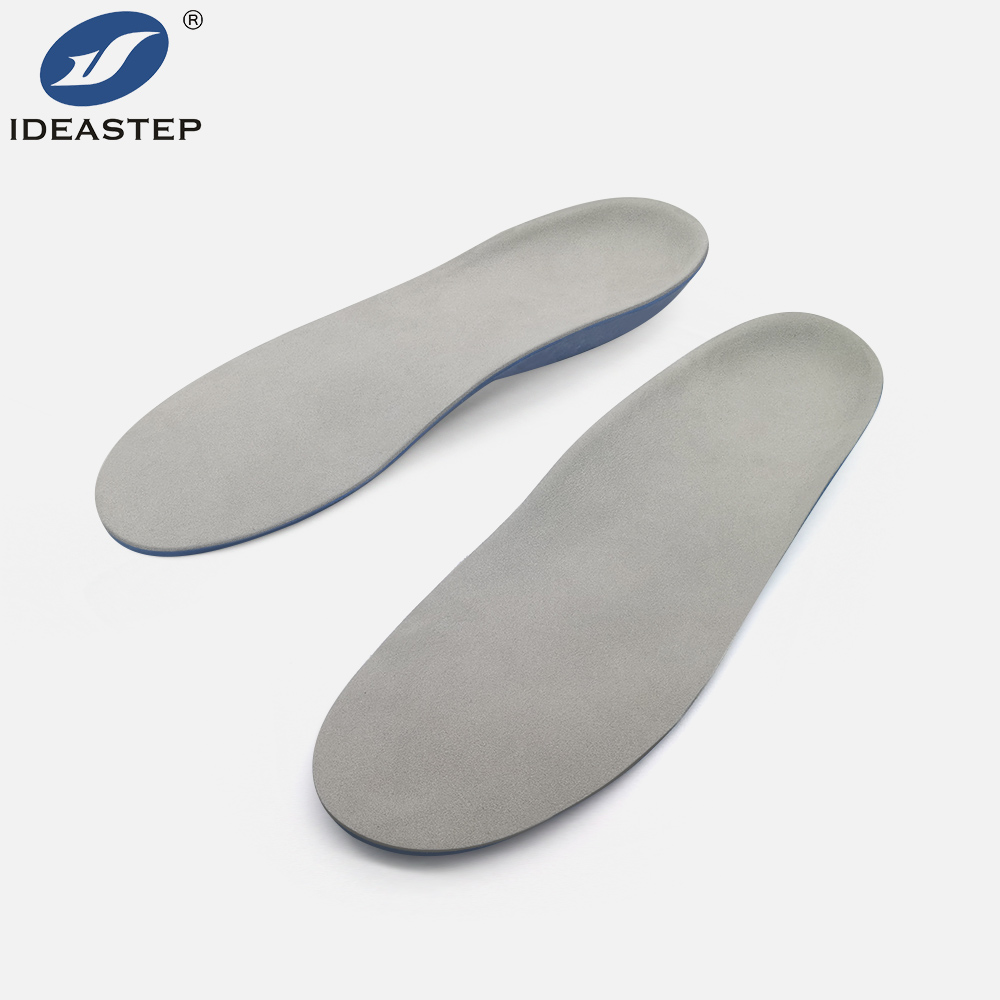
Nonwoven insole board with EVA is a mainstream composite material widely adopted in footwear manufacturing. It perfectly combines the structural stability of nonwoven fabric and the cushioning comfort of EVA foam, delivering lightweight support, strong flexibility and excellent moldability. Ideal for casual shoes, sneakers and work footwear, this dual-layer board helps manufacturers produce durable, comfortable finished shoes.
For B2B footwear factories and wholesale buyers, material quality directly impacts production yield and end-user experience. Many low-grade nonwoven insole board with EVA suffers from delamination, uneven hardness and poor bending resistance. This practical guide shares key material evaluation standards to help buyers source stable, high-quality materials for bulk production.
Core Advantages of Nonwoven Insole Board With EVA
Single-layer materials have obvious limitations. Pure nonwoven boards offer solid support but lack cushioning, while standalone EVA foam feels soft yet fails to maintain long-term structural stability.
The composite nonwoven and EVA structure solves these pain points. The nonwoven base improves overall toughness, tensile strength and shape retention to resist daily deformation. The bonded EVA layer provides consistent shock absorption, easing foot fatigue during long walks and standing. With outstanding folding resistance and balanced hardness, this composite board fits most mainstream shoe styles and production processes.
Key Material Sourcing Standards for B2B Buyers
1. Composite Lamination Quality
Bonding firmness is the most critical indicator for nonwoven insole board with EVA. Qualified products feature tight, seamless lamination without bubbles, warping or layer separation. The two layers remain firmly attached after repeated bending, cutting and thermoforming.
Low-quality composite boards easily delaminate in post-production processing or daily use, causing large quantities of defective products and raising manufacturing costs.
2. Uniform Thickness and Hardness
Mass footwear production requires unified material parameters. Premium nonwoven insole board with EVA features consistent thickness and even hardness across the entire board surface. Stable physical properties ensure standardized cutting, molding and assembly, avoiding uneven insole support and irregular shoe shapes.
3. Flexible Molding Performance
Excellent moldability is a core selling point of this composite material. It maintains proper rigidity for foot support while remaining flexible enough for cold pressing and thermal shaping. The board can perfectly fit different shoe last contours without cracking, collapsing or rebounding, meeting the personalized shaping needs of various shoe styles.
4. Breathability and Moisture Resistance
The nonwoven fabric base retains natural air permeability to reduce foot stuffiness during all-day wear. Optimized EVA lamination avoids completely blocking air circulation, balancing comfort and structural performance. Meanwhile, the composite material resists sweat and moisture erosion, effectively preventing mildew, odor and layer separation caused by humid environments.
5. Eco-Friendly Safety Compliance
As direct skin-contact footwear materials, nonwoven and EVA layers must meet global market safety standards. Reliable manufacturers use non-toxic raw materials and environmentally friendly adhesive, with no strange odor or harmful chemical residues. Complete compliance certifications support smooth export and cross-border sales.
6. Stable Batch Consistency
Batch stability is essential for large-scale assembly line production. Trusted suppliers fix raw material ratios, composite temperature and pressure parameters to ensure consistent toughness, elasticity and bonding performance in every batch. It avoids fluctuating product quality and reduces after-sales risks for footwear brands.
Primary Application Scenarios
- Daily casual shoes: Balanced support and soft cushioning for everyday walking
- Sports sneakers: Lightweight structure and bending resistance for frequent movement
- Work safety shoes: Stable structural support for long-hour standing work scenarios
- Daily protective footwear: Safe, skin-friendly materials for public consumer footwear
Customization Capabilities
Professional suppliers offer full specification customization for nonwoven insole board with EVA. Buyers can adjust board thickness, EVA hardness, nonwoven grammage and surface texture according to product positioning. Custom sheet sizes and roll materials are available to match different production processes. Low-MOQ trial orders are supported for quality verification before mass production.
Frequent Sourcing Pitfalls to Avoid
- Judging quality merely by thickness while ignoring lamination firmness and flexibility
- Selecting unqualified recycled materials with peculiar odors and poor durability
- Overlooking batch consistency, resulting in unstable finished shoe quality
- Skipping bending and compression tests before bulk procurement
Conclusion
Nonwoven insole board with EVA is a cost-effective, high-performance composite material for modern footwear manufacturing. Its dual-layer structure balances structural support, cushioning comfort and production adaptability. B2B footwear buyers should prioritize lamination quality, parameter uniformity, moldability and safety compliance during sourcing. Strict pre-order quality inspection stabilizes production quality and enhances market competitiveness.
We provide standardized and customized nonwoven insole board with EVA for global footwear manufacturers. Contact our team for verified samples and tailored bulk quotations.
Expand more related content: Top hard shoe inserts company for sports shoes maker.