Orthopedic EVA insoles are a staple for footwear brands, foot care clinics and wholesale distributors. Blending light weight, moldability and cost efficiency, these insoles deliver targeted biomechanical support for pain relief and shoe retrofitting. Still, quality varies widely across manufacturers. Wholesale buyers must evaluate material grades, build quality and supplier capabilities before committing to bulk orders.
Orthopedic EVA Insole vs Standard EVA Insoles
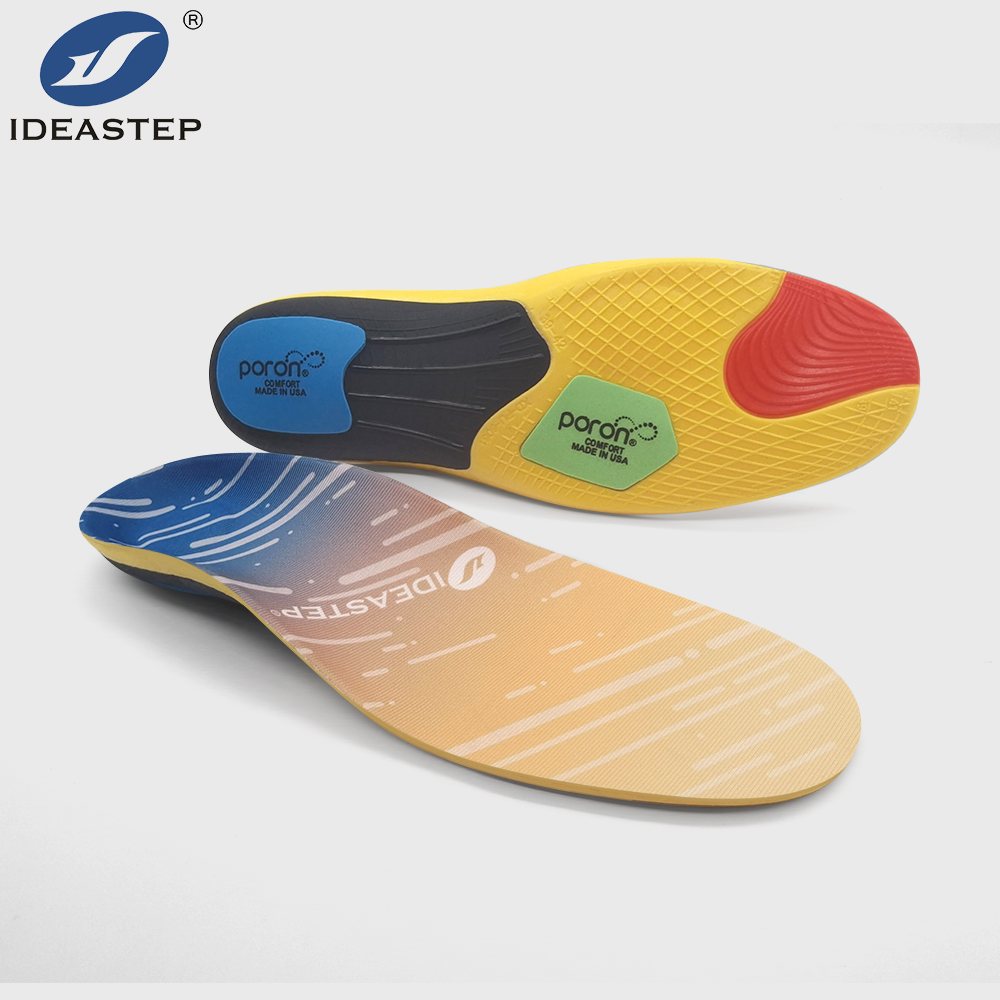
Generic EVA inserts only offer basic comfort. Orthopedic EVA insoles are engineered for foot biomechanics. Manufacturers tune EVA density across zones: firmer sections reinforce arch support, while softer heel zones absorb impact.
High-grade orthopedic EVA retains shape after repeated compression. Low-quality foam quickly flattens, losing support and raising product return rates. Durable EVA also resists cracking under temperature shifts, a key consideration for brands selling across different regions.
Core Buying Factors for Wholesale Orthopedic EVA Insole Orders
1. EVA Density and Hardness Tuning
EVA density defines insole performance. Low-density foam delivers soft cushioning. Medium density handles mild overpronation. High-density EVA provides rigid arch support for orthotic applications.
Top suppliers build zoned insoles with multiple hardness levels to match natural foot anatomy. Confirm if your manufacturer can custom-adjust Shore hardness for your product lineup.
2. Material Safety and Compliance
Products sold in the US and EU need valid compliance documentation. Request test reports covering heavy metals, phthalates and skin irritation. Orthopedic EVA insoles that contact skin should use low-odor, non-toxic foam.
Exercise caution with uncertified recycled EVA blends. Unverified recycled materials may carry chemical contaminants and fail import inspections.
3. Construction and Surface Lamination
Most orthopedic EVA insoles feature a top fabric layer. Fabric selection impacts breathability, grip and service life. Common options include moisture-wicking knit, anti-slip fabric and soft PU coating.
Check fabric-to-foam bonding. Poor lamination causes peeling with regular use. Clean, finished edges prevent fraying and boost perceived product quality.
4. OEM Customization Options
Wholesale partners frequently require custom modifications. Reliable factories adjust insole contours, add trim lines, print brand logos and scale sizes. Confirm MOQs for custom molding and branded printing.
Clarify tooling and sample lead times. Always test physical samples for flexibility, compression recovery and fit with your target shoe styles.
5. Batch Consistency in Mass Production
Consistency is non-negotiable for bulk orders. Batch-to-batch variation in EVA density or geometry creates inconsistent customer experiences. Ask suppliers about their in-line quality control procedures.
Reputable manufacturers run random sampling to verify thickness, hardness and dimensional tolerances. Review defect resolution policies before finalizing purchase contracts.
Common Sourcing Mistakes to Avoid
Many buyers prioritize unit price above all else. Ultra-low-cost orthopedic EVA insoles rely on inferior foam that collapses quickly, triggering complaints and brand reputation damage.
Another frequent error is skipping sample testing. Insoles that look good on spec sheets may not fit work boots, running shoes or casual footwear. Validate samples with your actual shoe models.
Not all manufacturers understand orthopedic biomechanics. Some factories only produce generic comfort inserts. If you need clinically aligned support insoles, confirm their experience working with podiatry and foot care brands.
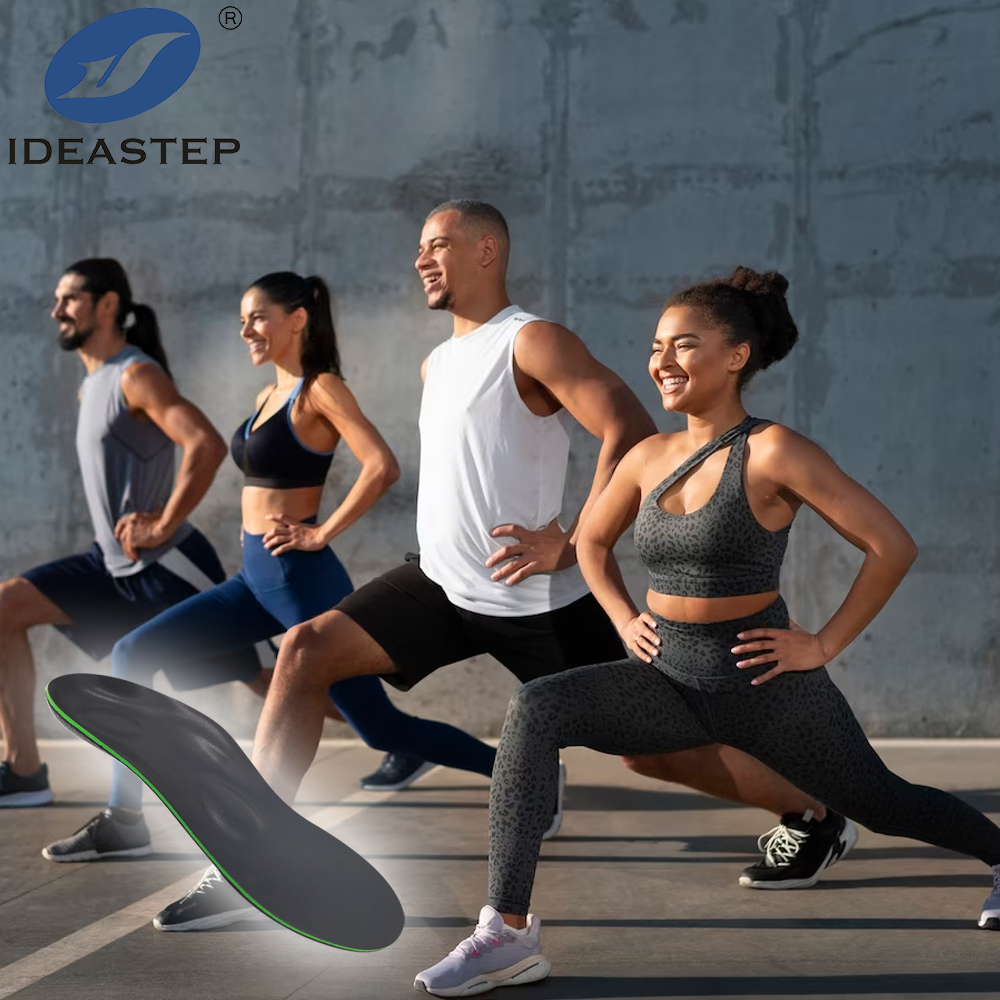
Best Applications for Orthopedic EVA Insoles
- Casual footwear with mild arch support
- Work and safety shoes to reduce standing fatigue
- Retail foot care products for heel pain and plantar fasciitis
- Custom inserts supplied to podiatry clinics and physical therapy practices
Final Takeaway
Orthopedic EVA insoles offer footwear wholesalers and foot care brands a flexible, scalable product option. Smart sourcing balances foam quality, compliance records, workmanship and OEM capability, rather than price alone. Partnering with a manufacturer familiar with orthotic design helps you deliver reliable products and cut post-sale issues.
FAQ
What is the typical lifespan of orthopedic EVA insoles?
Premium orthopedic EVA insoles maintain support for 6 to 12 months with daily wear. Low-grade EVA loses supportive properties much faster.
Can orthopedic EVA insoles be trimmed to fit different shoes?
Most models include trim lines so end users can cut insoles to match shoe size. Confirm this feature with your supplier if trim-ready insoles are required.
Are orthopedic EVA insoles suitable for diabetic foot care?
Standard orthopedic EVA insoles do not meet diabetic-grade requirements. Diabetic insoles need enhanced pressure redistribution and stricter biocompatibility testing.
Related Post:
Ideastep: A Leading Orthopedic Insole Manufacturer in China
Sports EVA Orthopedic Insoles: A Complete Guide to Cushioning, Support and Shock Absorption