A high-performance sports insole is not simply a soft layer inside a shoe. During running, jumping, and other athletic activities, the foot needs to absorb impact, distribute pressure, and maintain stability through repeated movements.
Sports EVA orthopedic insoles combine lightweight cushioning, shock absorption, and biomechanical support to improve foot comfort and movement stability. With adjustable density, hardness, and structure, EVA foam has become one of the most widely used materials in sports and orthopedic insole manufacturing.
This guide explains how EVA sports insoles work, their key design features, and why they are used in athletic footwear applications.
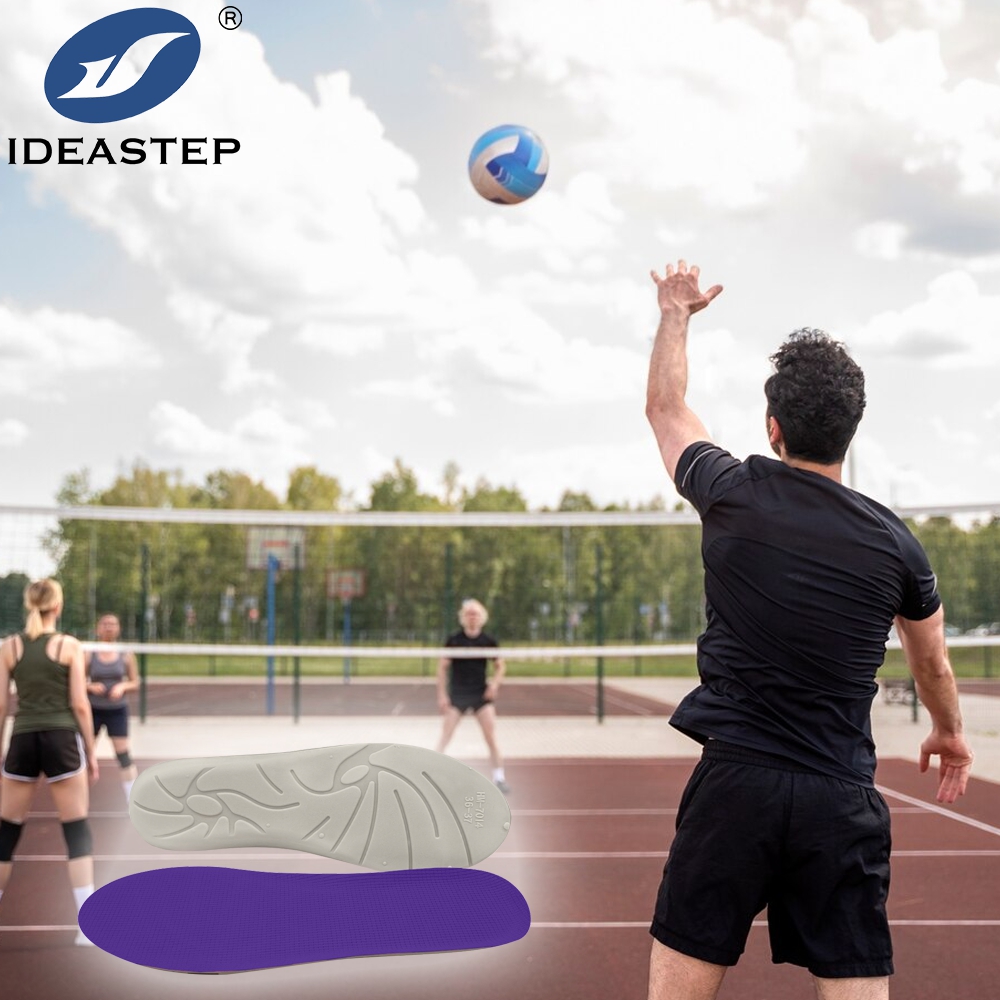
Why Do Sports Activities Require Better Insole Support?
During sports, the foot acts as both a shock absorber and a propulsion system. Each step creates ground reaction forces that travel through the foot and lower limbs.
Compared with daily walking, sports activities involve:
- Higher impact forces
- More repetitive movements
- Faster direction changes
- Greater pressure concentration
Without proper support, excessive loading may contribute to:
- Foot fatigue
- Heel discomfort
- Forefoot pressure
- Reduced movement efficiency
A well-designed sports insole helps manage these forces by balancing cushioning and stability.
How Foot Biomechanics Affect Sports Performance
The foot contains a complex structure of bones, muscles, ligaments, and joints that work together during movement.
During exercise, a suitable insole helps:
Improve Plantar Pressure Distribution
Pressure is not always evenly distributed across the foot. Support zones within an insole can help reduce excessive pressure in areas such as the heel and forefoot.
Support Natural Foot Movement
A good sports insole should not restrict normal movement. Instead, it should provide enough guidance to improve stability while allowing the foot to function naturally.
Reduce Foot Fatigue
Proper cushioning and support can reduce repeated stress during long periods of activity.
What Are EVA Sports Insoles?
EVA, or Ethylene Vinyl Acetate, is a lightweight foam material widely used in footwear midsoles and insoles.
EVA is popular in sports orthopedic insoles because it provides a practical balance between:
- Cushioning
- Flexibility
- Lightweight performance
- Customization capability
Unlike fixed-density materials, EVA can be engineered with different properties to meet various application requirements.
EVA Density and Hardness Selection
In professional insole manufacturing, EVA performance depends on factors such as:
- Density
- Hardness
- Cell structure
- Material formulation
Different EVA specifications create different performance characteristics.
For example:
- Softer EVA provides enhanced cushioning and comfort
- Higher-density EVA provides stronger support and durability
By combining different EVA layers, manufacturers can create insoles that balance comfort and stability.
Key Features of Sports EVA Orthopedic Insoles
A quality sports insole requires more than cushioning. The overall structure determines how well it performs during activity.
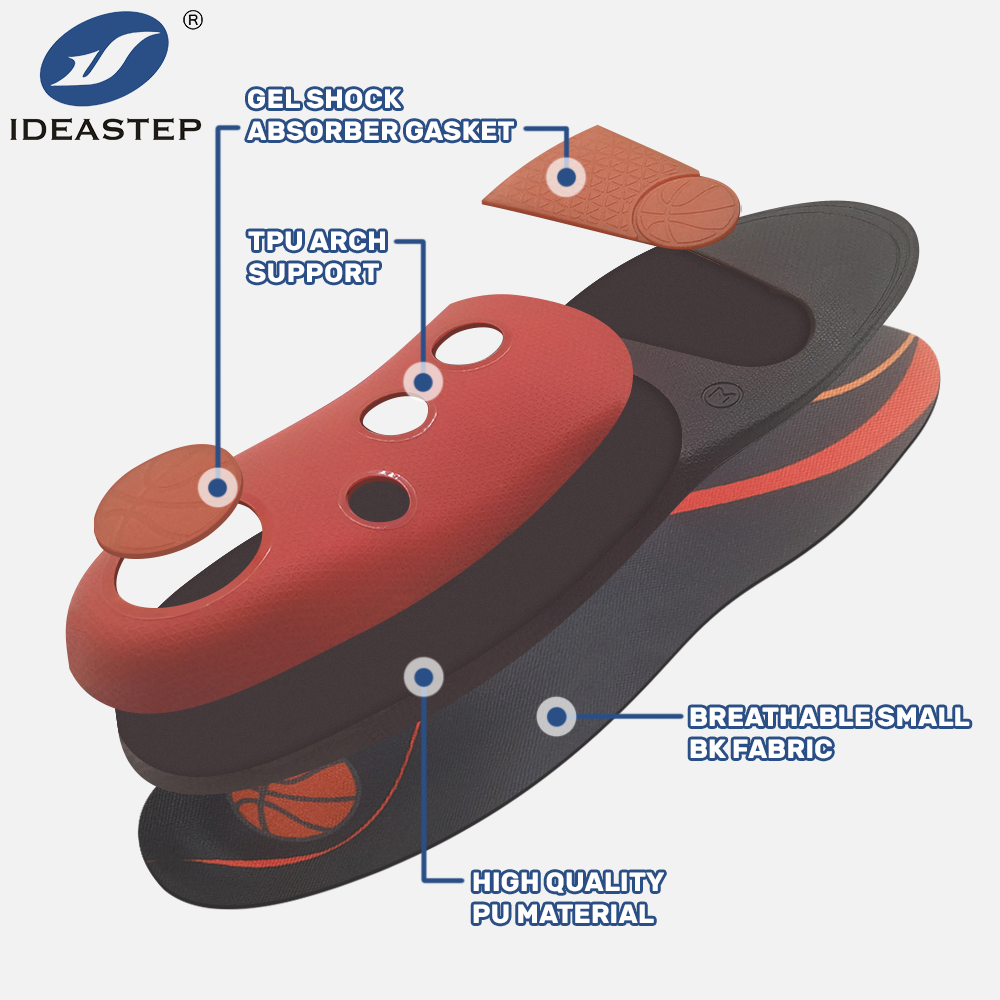
Shock Absorption and Impact Management
Shock absorption is one of the most important functions of sports insoles.
During running or jumping, the heel and forefoot receive repeated impact. EVA foam helps absorb part of these forces and improves pressure distribution.
Professional designs may include:
- Heel cushioning zones
- Multi-layer foam structures
- Impact-reducing materials
These features help improve comfort during repetitive activities.
Arch Support and Foot Stability
Softness alone cannot provide sufficient support for many sports applications.
Orthopedic sports insoles may include:
- Arch support structures
- Heel cup stabilization
- Foot positioning control
These features help improve stability and provide better support for users with specific foot requirements, such as flat feet or overpronation.
Breathability and Moisture Management
Sports activities increase heat and moisture inside footwear.
To improve wearing comfort, sports insoles may use:
- Breathable fabric covers
- Moisture-wicking materials
- Air circulation structures
A breathable design helps create a more comfortable environment during extended use.
Sports Insoles vs Orthopedic Sports Insoles
Although both products improve comfort, their design purposes are different.
| Feature | Standard Sports Insoles | EVA Orthopedic Sports Insoles |
|---|---|---|
| Main Goal | Comfort cushioning | Comfort and biomechanical support |
| Cushioning | Good | Excellent |
| Arch Support | Limited | Structured support |
| Pressure Management | Basic | Advanced |
| Customization | Limited | High |
| Application | General sports use | Sports and foot support solutions |
Standard sports insoles mainly focus on improving comfort.
EVA orthopedic sports insoles combine cushioning with structural support, making them suitable for users who need better stability and pressure control.
How EVA Orthopedic Insoles Improve Sports Comfort?
Better Pressure Control
Orthopedic sports insoles use different support areas to help redistribute plantar pressure and reduce excessive loading in high-pressure zones.
Improved Stability
Supportive structures help control unnecessary foot movement during dynamic activities such as running, jumping, and training.
Enhanced Long-Term Comfort
Balanced cushioning and support help reduce fatigue during extended sports sessions.
Sports Applications of EVA Orthopedic Insoles
EVA sports insoles can be designed for different athletic needs.
Running
Running requires:
- Shock absorption
- Lightweight cushioning
- Pressure control
EVA insoles are widely used in running footwear because of their balance between comfort and performance.
Basketball
Basketball involves frequent jumping, landing, and sudden direction changes.
Players often need additional impact protection and stability support.
Hiking and Outdoor Activities
Outdoor sports require durable cushioning and long-lasting comfort on different surfaces.
Fitness Training
Training activities require both flexibility and stability for various movements.
How to Choose the Right Sports EVA Insoles?
Selecting the right sports insole depends on the activity, foot type, and support requirements.
Consider Foot Type
Different foot structures may require different designs:
- Flat feet
- High arches
- Normal arches
Select Suitable EVA Performance
Material properties should match the intended use.
Important factors include:
- Cushioning level
- Hardness
- Density
- Durability
Evaluate Insole Structure
A complete design should consider:
- Arch support
- Heel stability
- Cushioning layers
- Top cover materials
Custom Sports EVA Insoles for Brands and Distributors
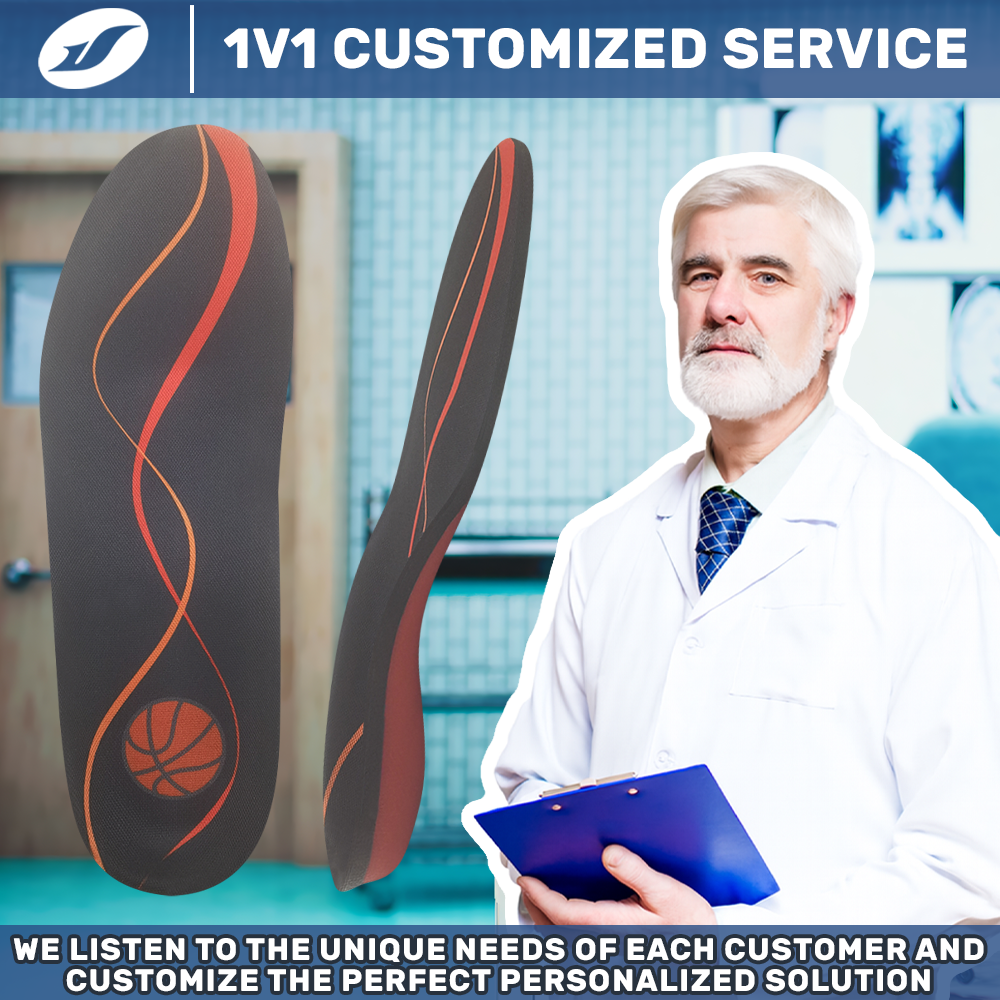
For footwear brands, healthcare distributors, and sports product companies, customization is an important factor when selecting an insole supplier.
Sports EVA insoles can be customized according to:
- EVA density and hardness
- Insole thickness
- Support structure
- Surface materials
- Logo printing
- Packaging requirements
A professional manufacturer can adjust material combinations and designs based on different markets and applications.
Frequently Asked Questions
Are EVA insoles good for sports?
Yes. EVA provides lightweight cushioning, flexibility, and shock absorption, making it suitable for many sports applications.
Are softer insoles better for running?
Not always. Excessive softness may reduce stability. A good running insole should balance cushioning, support, and movement control.
Can orthopedic insoles be used in sports shoes?
Yes. Many orthopedic insoles are designed specifically for athletic footwear and can provide additional support during sports activities.
Can EVA sports insoles be customized?
Yes. EVA formulation, hardness, thickness, and support structures can be adjusted for different sports and user requirements.
Conclusion
Sports EVA orthopedic insoles combine cushioning, shock absorption, breathability, and biomechanical support to improve comfort and stability during athletic activities.
EVA remains a preferred material for sports insoles because it offers lightweight performance, adjustable properties, and excellent customization possibilities.
For footwear brands, distributors, and healthcare companies, choosing the right insole supplier means more than selecting a material. Professional design, manufacturing experience, and customization capability are essential for creating high-performance sports insole solutions.
Ideastep provides OEM and ODM sports insole solutions using advanced EVA materials and customized structures to meet different footwear and foot support requirements.
Related product links: https://www.aideastep.com/product/jf-456-professional-sports-insoles-tpu-arch-support/.