Overview
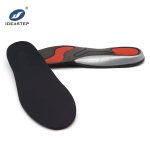
EVA foam has long served as a foundational material in footwear manufacturing. For modern shoe brands and wholesale buyers, shoe insole with EVA remains the most practical and cost-effective insole solution across casual, athletic and work footwear lines. Its lightweight feel, reliable shock absorption and flexible machinability make it far more adaptable than many premium foam alternatives.
Even so, EVA insole quality varies drastically between manufacturers. Minor differences in foam formulation, density calibration and surface finishing can greatly impact end-user comfort, product durability and brand reputation. This article delivers field-tested material insights to help footwear buyers source consistent, market-ready EVA insoles for mass production.
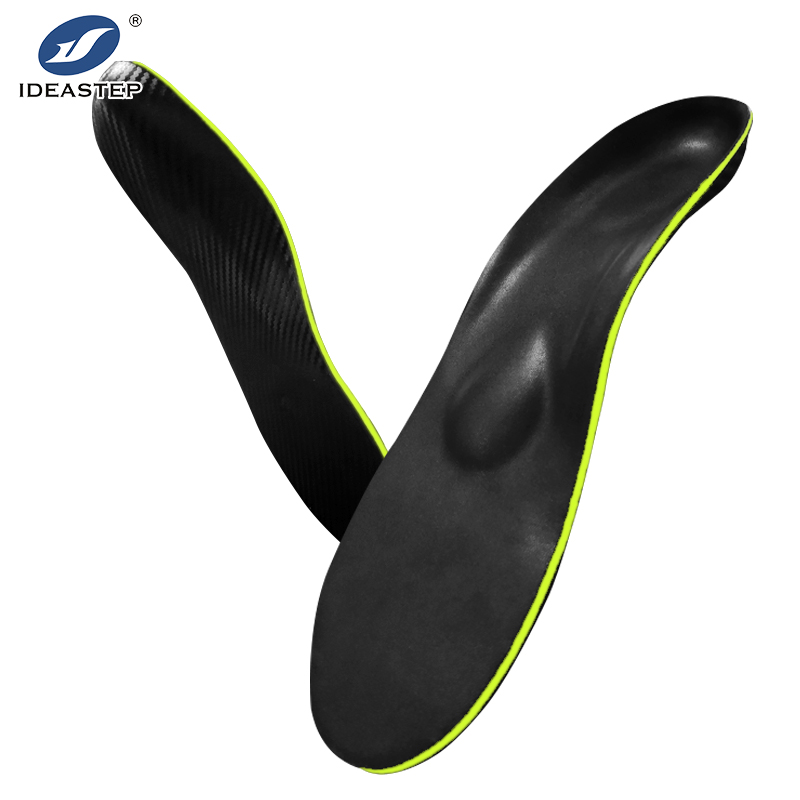
Why EVA Foam Dominates In Modern Insole Production
Footwear manufacturers prioritize three core traits for mass-produced insoles: consistent comfort, long-lasting durability and production flexibility. EVA foam uniquely satisfies all three requirements.
Unlike rigid hard-board insoles or easily deformed soft foam inserts, a well-made shoe insole with EVA delivers balanced cushioning and support. It reduces foot pressure during walking and standing while remaining light enough not to weigh down footwear. The material also performs steadily across temperature changes, resisting excessive softness in heat and stiffness in cold weather. Its excellent cutting, molding and trimming compatibility further simplifies large-scale shoe production, making it ideal for high-volume brand orders.
Critical EVA Material Traits Buyers Should Assess
Graded Density and Targeted Support
Not all EVA foam is created equal. Generic single-density EVA either feels overly soft and collapses quickly, or too firm for daily comfort. Premium shoe insole with EVA adopts zoned density design tailored to natural foot mechanics.
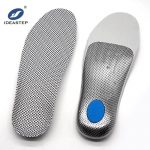
Higher-density EVA reinforces the arch and heel area to stabilize gait and absorb impact, while softer foam at the forefoot allows natural flex during movement. When sourcing, buyers should match EVA density to their shoe positioning: medium density for daily casual lines, high density for sports and work footwear.
Compression Recovery and Long-Term Shape Stability
The biggest drawback of low-grade EVA insoles is permanent flattening after short-term use. Once the foam loses rebound ability, the insole loses cushioning and support, leading to customer complaints and product returns.
Quality EVA material maintains stable elasticity after repeated compression. It bounces back consistently and retains its original thickness and contour throughout months of regular wear. For long-term brand cooperation, compression recovery is one of the most reliable indicators of true product quality.
Breathability and All-Day Wear Comfort
Traditional thick EVA structures tend to trap heat and sweat, causing stuffiness and odor. Modern upgraded shoe insole with EVA solves this issue with refined micro-pore foaming technology. The optimized internal structure promotes natural air circulation, accelerating sweat dissipation without sacrificing cushioning performance.
This balance of breathability and support makes EVA insoles suitable for all-season wear, greatly improving overall user experience compared with conventional foam insoles.
Surface Finishing and Wear Resistance
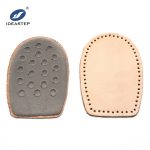
Raw EVA foam lacks friction resistance and surface durability. Top wholesale-grade EVA insoles add professional surface treatments, including anti-slip texture pressing, breathable fabric lamination and anti-pilling finishing. These upgrades prevent foot sliding inside shoes and extend service life significantly.
Substandard products feature rough edges, weak lamination and thin surface layers that peel easily, resulting in poor wear experience and high defective rates during mass production.
Material Safety and Market Compliance
As direct skin-contact footwear components, shoe insole with EVA must meet global safety standards. Reliable manufacturers use odorless, non-toxic and skin-friendly EVA raw materials with no harmful chemical residues.
For cross-border footwear brands, complete compliance documentation ensures smooth customs clearance and qualified retail sales in EU, US and other mainstream markets.
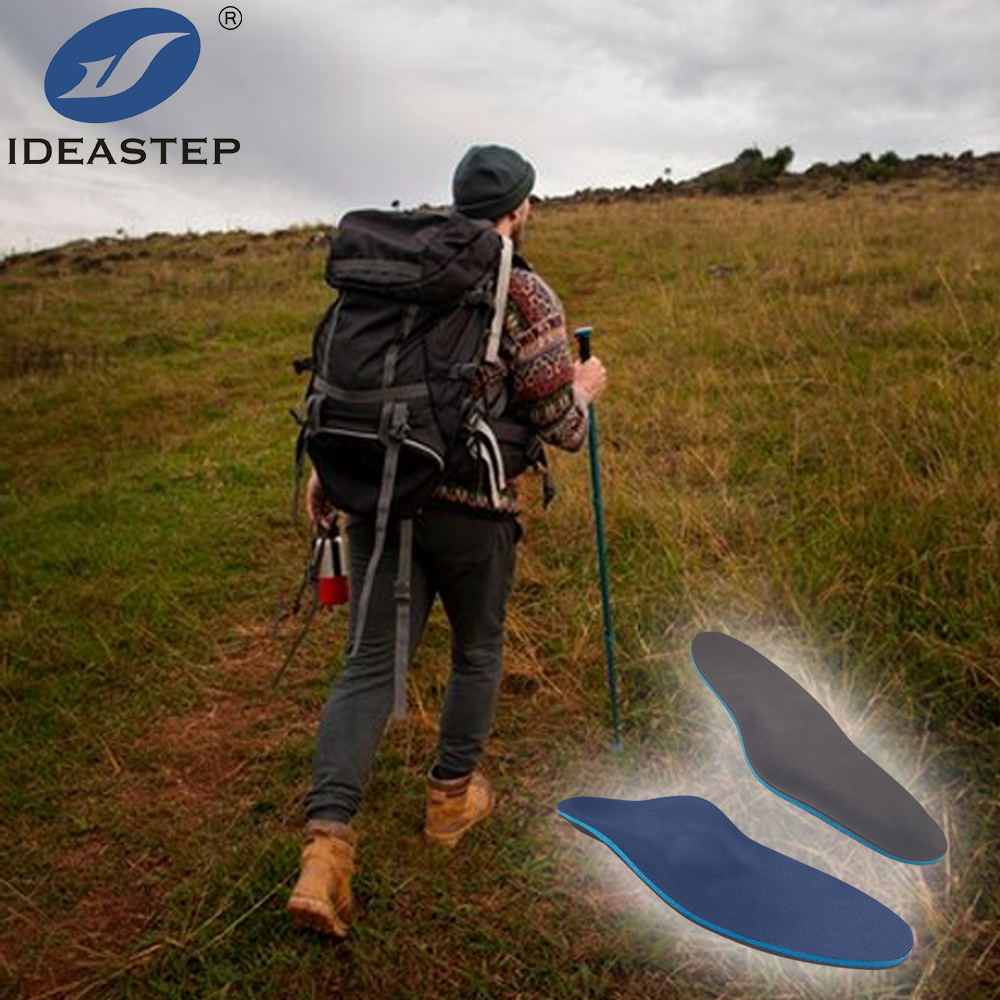
Best-Fit Applications for EVA Shoe Insoles
Thanks to adjustable hardness, thickness and structural flexibility, EVA insoles fit nearly all footwear categories:
- Everyday casual shoes for lightweight, all-day comfort
- Athletic sneakers for shock absorption and gait stability
- Industrial work shoes to reduce fatigue during long shifts
- Children footwear with safe, mild cushioning
Customization Capabilities for Brand Differentiation
Professional EVA insole suppliers offer flexible customization to help brands build unique product positioning. Footwear buyers can adjust foam density, overall thickness, arch contour and surface texture according to target market needs. Custom logo printing, exclusive colors and tailored packaging are also available for private label projects.
Most manufacturers support low-MOQ trial orders, allowing brands to verify sample quality before launching large-scale bulk production.
Key Sourcing Errors to Avoid
Many wholesale buyers prioritize low unit pricing over core material performance, which leads to hidden operational risks. Common mistakes include selecting recycled unstable EVA foam, ignoring batch-to-batch dimensional differences, and skipping real-scene wear testing. These shortcuts result in inconsistent finished shoe quality and damage long-term brand credibility.
Final Sourcing Takeaways
shoe insole with EVA remains the most adaptable, cost-efficient and scalable insole solution for modern footwear brands. Successful bulk sourcing relies on reasonable density matching, reliable compression resilience, breathable structural design, fine surface craftsmanship and full market compliance. By focusing on these material fundamentals, buyers can stabilize product quality, reduce after-sales pressure and enhance market competitiveness.
We provide standard and custom EVA insoles for global footwear brands. Contact our team to receive verified samples and personalized bulk quotations.
Related Articles:
How to Choose the Right Supplier for EVA Material Insoles
Is EVA Material Plastic? Complete Guide to EVA Properties, Uses, and Pros & Cons