For custom orthotic insole manufacturers, the choice of foam material directly affects product performance, processing efficiency, and production consistency.
Medical insole foam sheet is widely used as a core material in orthotic insoles, comfort insoles, and functional footwear applications. By selecting the right density, hardness, and thickness, manufacturers can develop insole structures that meet different footwear and market requirements.
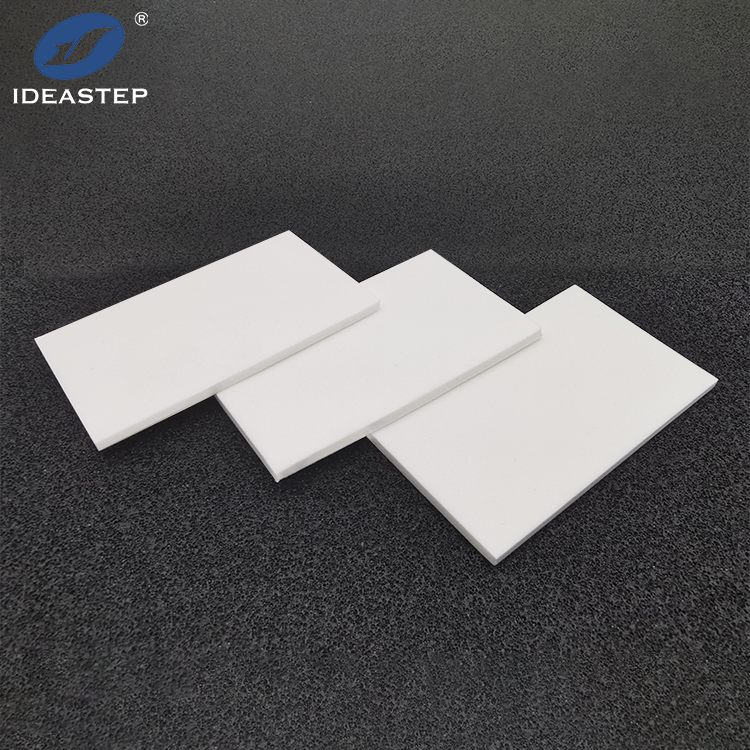
What Is Medical Insole Foam Sheet?
Medical insole foam sheet is a foam material designed for use in foot-care and orthotic applications. It is commonly processed into cushioning layers, support structures, and other components within an insole.
Compared with general foam materials, insole-grade foam sheets require stable physical properties, including:
- Consistent thickness
- Uniform density
- Controlled hardness
- Reliable elasticity
- Good processing performance
- Stable quality for repeat production
For B2B buyers, material consistency is essential because variations in foam properties can affect the quality of finished insoles.
Key Performance Factors of Insole Foam Sheets
Cushioning and Comfort
Foam materials provide cushioning and help improve the overall feel of an insole. Density and hardness can be adjusted based on the intended application.
Softer foam grades may be preferred for comfort-focused products, while firmer structures are often selected when additional support or stability is required.
Lightweight Construction
Weight is an important consideration in modern footwear design. Lightweight foam sheets allow manufacturers to develop comfortable insoles without adding unnecessary weight or reducing available shoe space.
This makes them suitable for sports footwear, casual shoes, and everyday comfort applications.
Compression Resistance and Recovery
During use, insoles are exposed to repeated pressure and bending. A suitable foam material should maintain its structure and cushioning characteristics over time.
Material selection should consider both initial comfort and long-term performance.
Processing Compatibility
For insole manufacturers, foam sheets need to perform well during production processes such as cutting, grinding, shaping, and lamination.
Stable material structure helps improve manufacturing efficiency and maintain consistent product quality.
Common Foam Materials Used in Insole Manufacturing
Different foam materials provide different performance characteristics depending on the product design.
EVA Foam Sheet
EVA is one of the most commonly used materials in orthotic insole production.
Key advantages include:
- Lightweight structure
- Flexible cushioning
- Multiple hardness options
- Easy processing
- Cost-effective production
EVA foam sheets are widely used in comfort insoles, support layers, and customized orthotic applications.
PU Foam
PU foam is often selected for cushioning-focused designs where a softer feel and enhanced comfort are required. Different densities can provide different levels of resilience and support.
Memory Foam
Memory foam is commonly used in comfort-oriented insoles. It adapts to foot pressure and provides a softer underfoot experience.
The final material choice depends on the footwear application, target market, and product positioning.
Role of Foam Sheets in Custom Orthotic Insole Manufacturing
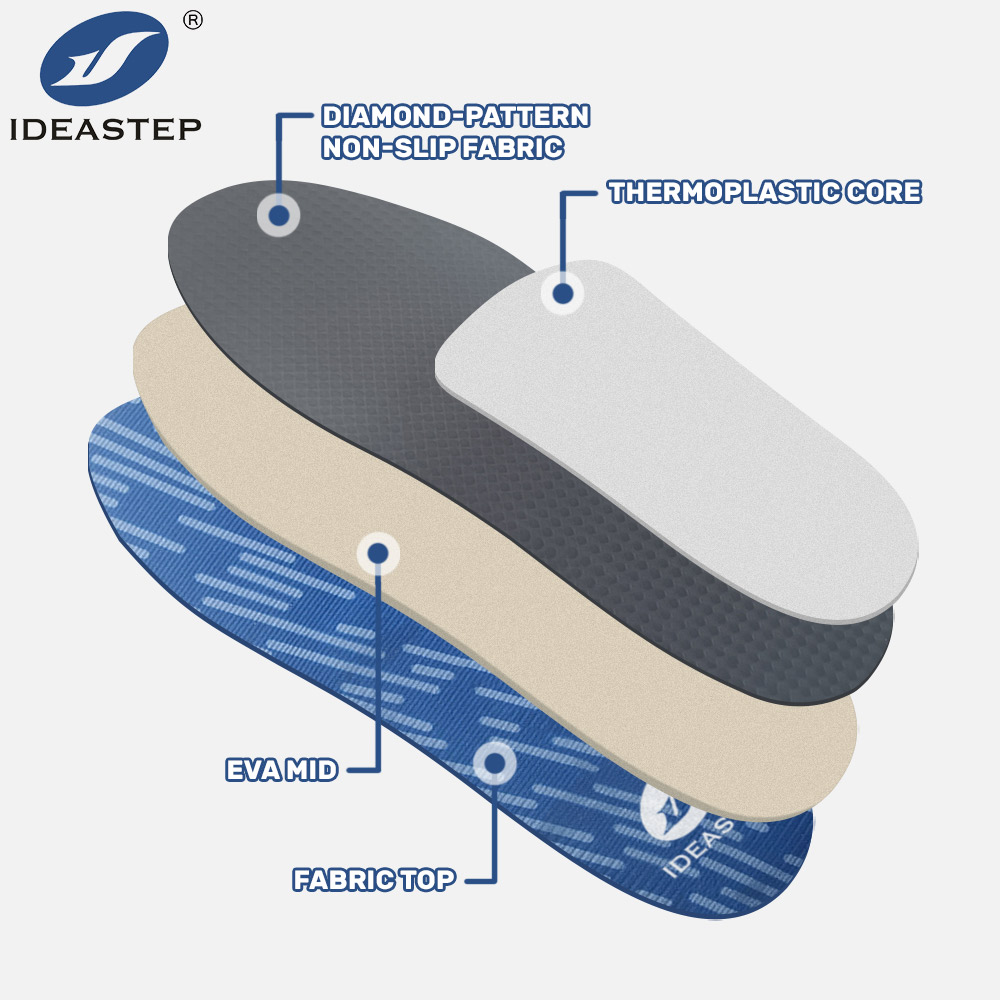
In custom orthotic insole production, foam sheets are usually combined with other materials to create a multi-layer construction.
A typical insole structure may include:
- Foam cushioning layer
- TPU or PP support component
- Textile or fabric top cover
- Additional comfort layers
The final construction depends on factors such as footwear type, support requirements, target users, and production volume.
For OEM projects, foam sheet specifications can be adjusted, including:
- Density
- Hardness
- Thickness
- Color
- Sheet dimensions
- Material combinations
What B2B Buyers Should Consider When Sourcing Foam Sheets
When selecting a medical insole foam sheet supplier, buyers should evaluate several factors beyond unit price.
Material Specifications
Confirm key parameters such as:
- Density
- Hardness range
- Thickness options
- Sheet dimensions
- Color requirements
Production Consistency
For wholesale and OEM projects, stable material performance is critical. Consistent foam density and thickness help maintain product quality across large production runs.
Manufacturing Compatibility
The foam sheet should match the intended production process, including cutting, bonding, shaping, and lamination requirements.
Supply Capability
A reliable supplier should be able to provide:
- Stable material supply
- Customized specifications
- Bulk production support
- Quality inspection records
Medical Insole Foam Sheet for OEM Development
For footwear brands, orthotic companies, and insole manufacturers, customized foam sheets provide flexibility during product development.
OEM material options may include:
- Custom thickness
- Different hardness levels
- Specific density requirements
- Custom colors
- Sheet dimensions
- Multi-material combinations
Working with a supplier familiar with both foam materials and insole manufacturing can help reduce development time and improve production reliability.
Ideastep Medical Insole Foam Sheet Supply
Ideastep provides foam materials and insole solutions for B2B customers, supporting custom orthotic insole manufacturing with flexible material options and specifications.
Foam materials can be used for applications including:
- Custom orthotic insoles
- Comfort insoles
- Foot-care products
- Functional footwear applications
With experience in EVA materials and insole production, Ideastep supports projects from material selection and sample development to bulk supply.
Conclusion
Medical insole foam sheet plays an important role in custom orthotic insole manufacturing. The right material selection helps manufacturers achieve the required balance of cushioning, support, durability, and processing efficiency.
For B2B buyers, choosing a supplier with knowledge of both foam materials and insole production can help ensure consistent quality and reliable long-term supply.
Related Post:
Camouflage EVA Foam Sheets for Custom Orthotic Insoles and OEM Production
Comparing EVA Foam Sheet Suppliers: Key Metrics and Evaluation Criteria