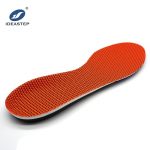
Traditional shoe insole manufacturing relies on fixed molds, limiting product flexibility and personalized functionality. Today, custom 3D print shoe insole production has become a trusted solution for footwear wholesalers and footcare brands. It delivers precise foot fitting, targeted support and unique product differentiation that standard mass-produced insoles cannot achieve.
For wholesale buyers new to this niche, understanding the full custom manufacturing process is essential for stable sourcing and reliable product development. This streamlined guide walks through practical manufacturing knowledge, helping you source high-quality 3D print shoe insole products with lower batch risks and better market profitability.
Why Wholesalers Adopt 3D Print Shoe Insole Manufacturing
Traditional molded insoles require expensive mold opening, long lead times and rigid sizing. They cannot adapt to personalized foot shapes or targeted correction needs, resulting in generic, low-margin products.
Custom 3D print shoe insole production solves these pain points. It requires no fixed molds, supports low-minimum-batch orders and allows full structural customization. Brands can adjust arch support, heel depth and pressure distribution to fit different foot types, gait issues and usage scenarios. This level of precision improves end-user comfort, lowers return rates and creates obvious retail premium advantages for wholesale product lines.
Custom Manufacturing Process for 3D Print Shoe Insole
Quality custom printed insoles follow a clear, standardized production workflow. Each step directly affects accuracy, durability and overall product performance.
1. Precise Foot Data Scanning
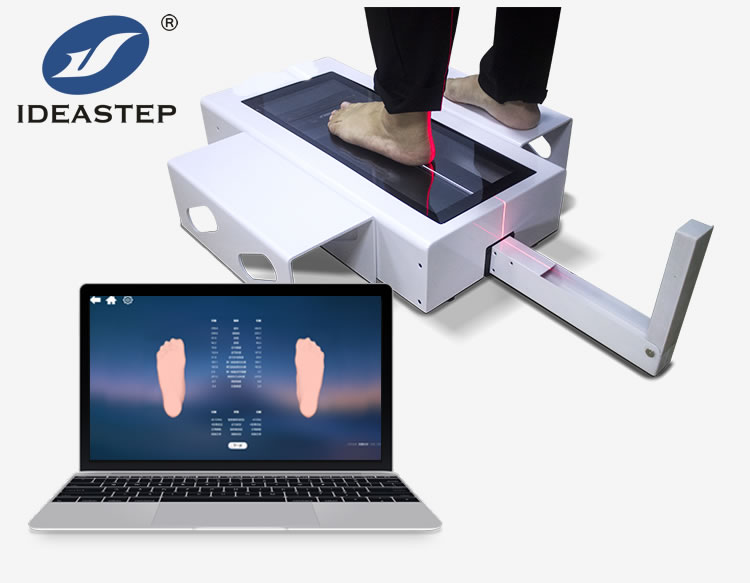
All custom production starts with accurate foot data collection. Professional 3D scanners capture arch height, heel structure, foot pressure points and overall foot geometry. Compared with manual measurement, digital scanning eliminates errors and lays the foundation for true custom fitting.
2. Digital Insole Modeling
Based on scanned data, designers build exclusive digital models for each batch. They fine-tune insole thickness, support firmness, heel cup depth and surface breathability according to daily wear, sports use or orthotic correction needs. This flexible modeling is the core advantage of 3D print shoe insole customization.
3. Industrial-Grade 3D Printing Molding
Qualified manufacturers use stable industrial printing technology such as MJF and SLA for integrated molding. This ensures uniform material density, smooth surface texture and consistent structural resilience. Unlike consumer-grade printers, industrial equipment guarantees stable quality for large wholesale batches.
4. Targeted Material Selection
Material choice defines insole performance. TPU materials offer strong elasticity and wear resistance for daily and sports insoles. Medical-grade flexible resin provides skin-friendly, antibacterial properties for orthotic lines. Composite materials balance cost and durability for mainstream wholesale markets. Professional suppliers match materials according to your product positioning and customer groups.
5. Fine Post-Processing
Printed semi-finished products undergo edge trimming, surface polishing and texture optimization. Proper post-processing removes rough printing traces, improves wearing safety and enhances overall product texture, making wholesale-ready insoles more marketable.
6. Batch Consistency Quality Control
For bulk wholesale orders, batch stability is critical. Manufacturers conduct strict sampling tests on size accuracy, compression recovery, support strength and surface uniformity. This avoids uneven quality and ensures every shipment of 3D print shoe insole maintains consistent performance.
Wholesale Customization Options
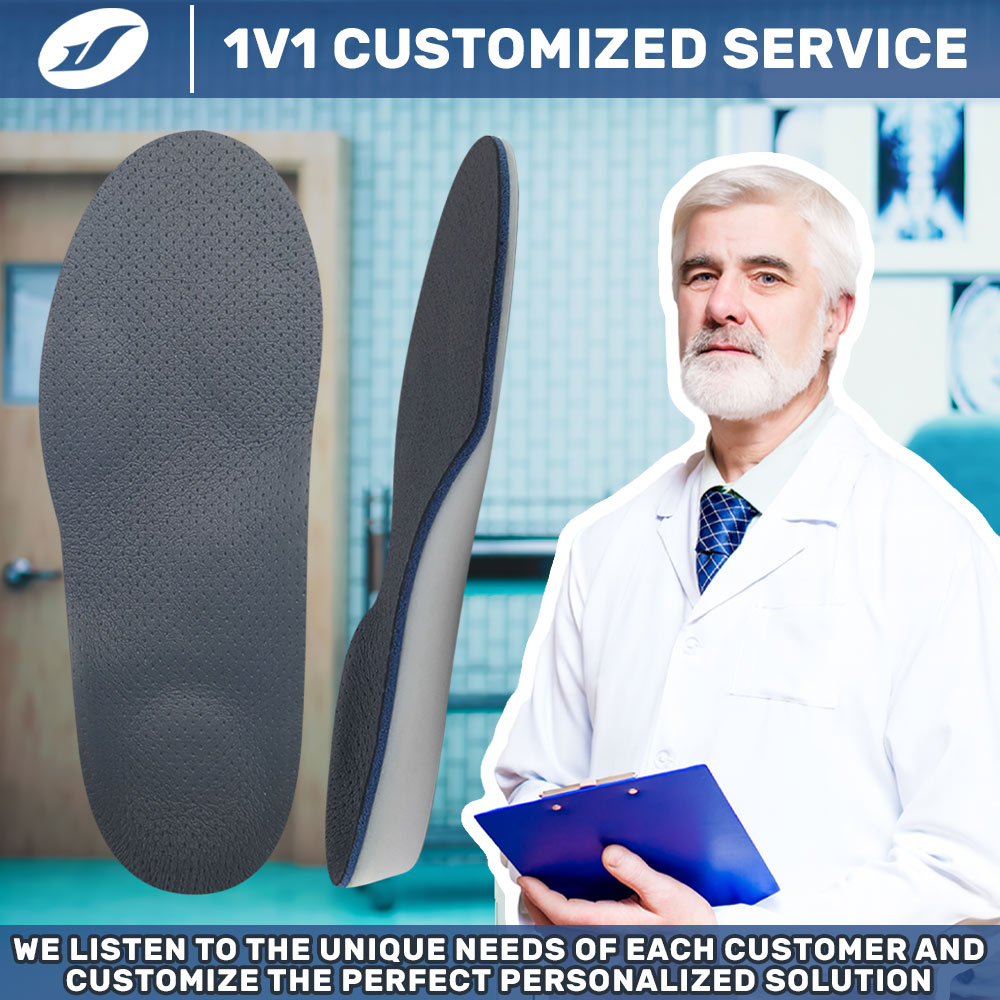
3D printed insoles support flexible wholesale customization to help brands build differentiated products:
- Functional customization: arch support intensity, heel stabilization, shock absorption and pressure relief
- Structural customization: insole thickness, breathability hole layout and surface anti-slip texture
- Brand customization: custom logo engraving, exclusive colors and personalized marking
- Packaging customization: neutral bulk packing or custom branded packaging
Business Advantages for Wholesale Buyers
Adding custom 3D print shoe insole products helps wholesalers escape homogeneous price competition. Low MOQ trial production allows safe market testing without heavy upfront investment. Precise custom functionality improves user satisfaction, builds brand reputation and brings higher long-term profit margins.
Key Sourcing Pitfalls to Avoid
Many low-cost manufacturers use recycled materials and low-precision printing, resulting in poor resilience, easy deformation and rough surfaces. Simplified modeling also leads to inaccurate support effects. Buyers should verify material certifications, production equipment standards and sample stability before confirming bulk orders.
Conclusion
3D print shoe insole custom manufacturing is a flexible, high-precision solution for modern functional footwear and footcare wholesale. With accurate scanning, digital modeling, reliable material matching and standardized post-processing, custom printed insoles deliver stable quality and superior wearing experience. For wholesale partners, mastering these manufacturing standards helps launch competitive high-value product lines and seize growing custom footcare market demand.
Contact our team for verified samples, detailed manufacturing solutions and competitive bulk pricing for 3D print shoe insole.
Related Post:
3D Printed Orthotic Insoles Factory Custom Supplies for Resellers & Clinics
What are 3D custom-made insoles?