Introduction
Sustainability and wearable comfort are no longer optional extras in modern footwear wholesale. Many B2B buyers upgrade product lines by swapping generic inserts for eco-friendly alternatives, and the bamboo foam insole has become a popular option. When sourcing insoles for bulk footwear orders, suppliers often weigh bamboo foam insole options against traditional standard insoles. This practical B2B comparison covers real performance, market value and sourcing differences to help you make cost-effective purchasing decisions.
Core Material Differences
Most standard insoles use regular EVA or plain foam. Low-cost and easy to mass produce, they suit high-volume budget footwear lines. Still, these basic insoles have clear weaknesses: limited natural breathability, poor moisture control and no inherent antibacterial properties. With prolonged wear, trapped sweat causes stuffiness and foot odour, a frequent source of consumer complaints.
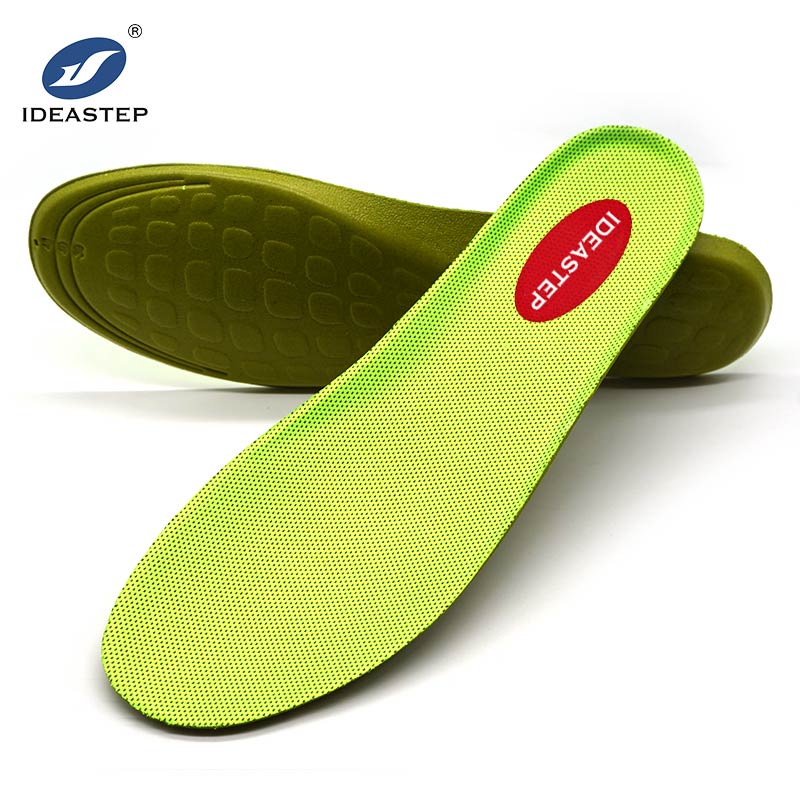
A bamboo foam insole combines flexible foam with natural bamboo fibre. Bamboo’s natural antibacterial and deodorising traits slow bacterial growth inside humid shoes. The blended fibre also improves airflow, solving the heat and odour issues common to ordinary foam inserts. Beyond better comfort, this plant-based material delivers genuine eco benefits that standard insoles cannot match.
Wear Comfort and Durability Comparison
Standard insoles offer only short-term cushioning. Under repeated pressure, basic foam quickly flattens, losing elasticity and shock absorption. For users standing or walking all day, worn standard insoles provide little foot support and lead to fatigue.
The bamboo foam insole balances cushioning and structural stability. Its foam formulation resists compression, keeping soft support through daily use. The bamboo fibre layer wicks sweat and disperses heat to keep feet dry. It works well in casual shoes, walking footwear and light-duty work shoes, delivering more consistent comfort than conventional alternatives.
Market Value and Eco Brand Advantages
For B2B footwear suppliers, product differentiation helps avoid cutthroat price competition. Standard insoles serve a functional purpose but offer few marketing hooks, making it hard to raise retail pricing or attract premium buyers.
A bamboo foam insole brings unique sustainable selling points. As shoppers increasingly seek eco-conscious footwear, plant-based shoe accessories have grown in popularity. Wholesale brands can highlight bamboo fibre features to build green product ranges, capture eco-minded customers and boost product added value. It is a low-risk upgrade for mid to high-end bulk footwear orders.
Bulk Sourcing Pros and Cons
Standard insoles remain the most affordable pick for tight-budget bulk orders. They support flexible MOQs, fast lead times and steady batch supply, fitting basic mass-market footwear projects. The main downside is limited functionality and no sustainable branding value.
The bamboo foam insole carries a modest price increase but delivers performance and branding upgrades. When buying in bulk, verify bamboo fibre content, antibacterial test reports and compression durability to avoid low-quality blends. Reliable quality control reduces after-sales issues and protects your brand reputation long term.
Applicable Wholesale Scenarios
Best scenarios for standard insoles
- High-volume budget footwear and basic daily shoe collections
- Disposable replacement insoles and low-end wholesale orders
- Cost-focused projects without eco marketing requirements
Best scenarios for bamboo foam insoles
- Premium casual shoes, walking shoes and lightweight work footwear
- Sustainable, eco-friendly branded footwear product lines
- Footwear for customers prone to sweaty feet and foot odour
Key Limitations for B2B Reference
The bamboo foam insole targets everyday comfort and eco performance, not heavy orthotic support or high-impact sports shock absorption. It is not ideal for athletic footwear or medical orthotics requiring strong arch support. In constantly wet conditions, natural bamboo fibre will wear faster than pure industrial foam.
Standard insoles lack deodorising and breathable features but offer solid wear resistance, making them suitable for rugged work footwear.
Conclusion
Choosing between bamboo foam insole and standard insoles depends on your brand positioning and target customers. Standard insoles work well for low-budget, large-volume wholesale projects. The bamboo foam insole, with natural odour control, better breathability and sustainable value, is an excellent upgrade for premium differentiated footwear lines. B2B footwear supply partners can combine both insole types across product portfolios to cover wider market demand and improve profit margins.
Contact our team for product samples, material certification documents and competitive bulk wholesale pricing for bamboo foam insoles.
Related Post: A Complete Guide to Bamboo Foam Insole for Footwear Businesses.