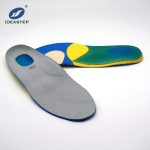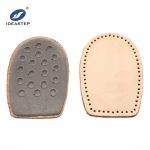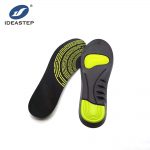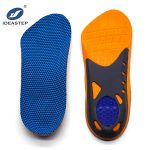
Introduction: Key Factors When Sourcing Viscoelastic Foam Insoles
Viscoelastic foam insoles, also known as memory foam insoles, are widely used in comfort footwear, sports shoes, work shoes, and daily walking footwear due to their cushioning properties and soft step-in feel.
For wholesalers and private label brands, selecting the right supplier requires more than comparing prices. Material consistency, product development capability, customization options, and production reliability all directly affect product quality and long-term business performance.
A professional viscoelastic foam insoles supplier should provide stable manufacturing support, flexible customization, and solutions that match different market requirements.
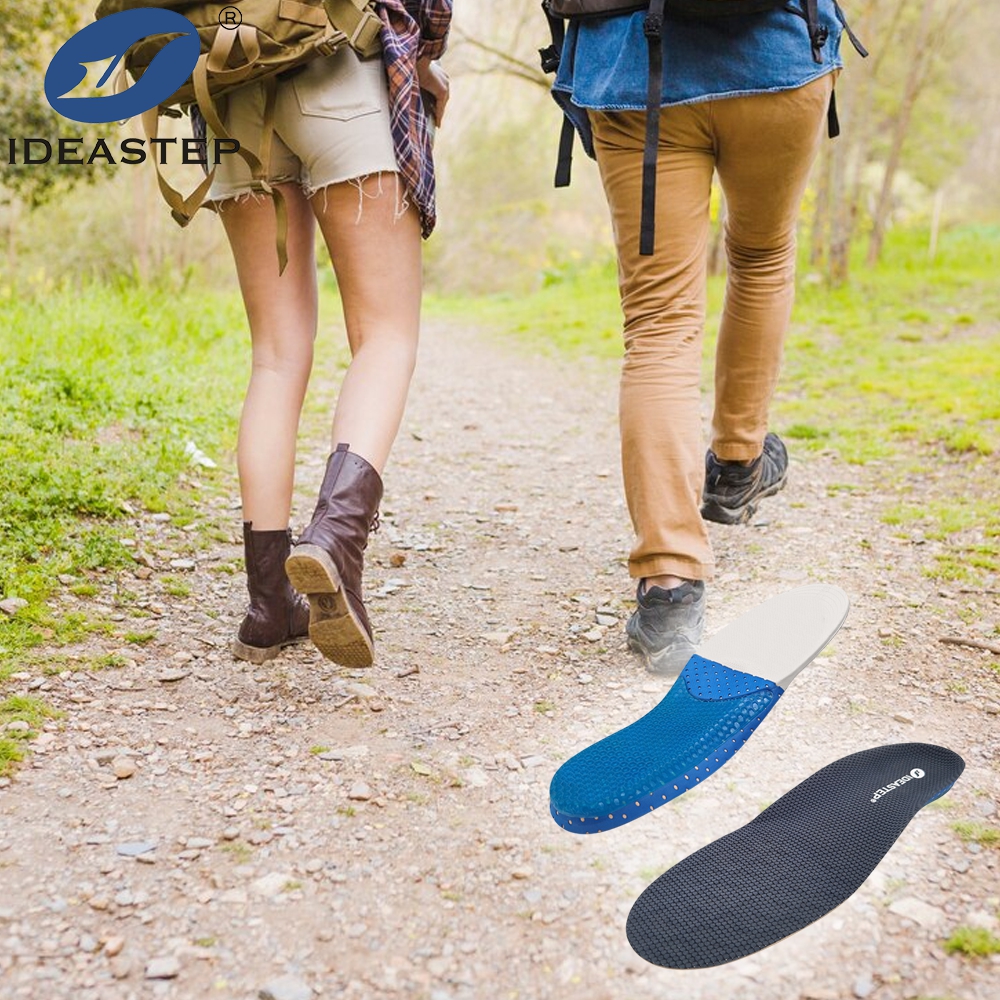
Understanding Viscoelastic Foam Insole Construction
A quality viscoelastic foam insole usually combines multiple layers to balance comfort, support, and durability.
Top Cover Material
The top layer directly contacts the foot and influences wearing comfort.
Common materials include:
- Mesh fabric
- Microfiber
- Velvet
- Moisture-wicking textiles
When sourcing, buyers should consider:
- Breathability
- Surface durability
- Printing and branding options
For private label projects, customized top covers can help brands create differentiated products.
Viscoelastic Foam Cushioning Layer
The foam layer is the key component of memory foam insoles.
Foam Density
Foam density affects:
- Cushioning performance
- Product lifespan
- Overall foot feel
Different applications require different foam specifications. For example, casual comfort insoles may prioritize softness, while support-focused products usually require better structural stability.
Compression Recovery
During daily use, insoles experience repeated pressure. Stable compression recovery helps maintain consistent cushioning performance over time.
Reliable manufacturers should control:
- Raw material consistency
- Foam quality
- Production batch stability
Support Layer Design
Many viscoelastic foam insoles combine foam with additional support materials, such as:
- EVA
- TPU
- Latex
- PP support components
These layers help improve:
- Structural support
- Shape retention
- Overall durability
A supplier with flexible material combinations can better support different footwear categories and price ranges.
Essential Sourcing Criteria for Wholesale Buyers
1. Material Quality and Production Consistency
For wholesale buyers, consistent quality is critical.
Before cooperation, buyers should evaluate whether the supplier has control over:
- Material inspection
- Thickness tolerance
- Bonding strength
- Finished product quality
A stable production process helps reduce quality variations between sample orders and bulk production.
2. Customization Capability for Private Label Projects
Many brands require more than standard products. They need a private label insoles manufacturer that can support product customization.
Product Structure
- Foam thickness adjustment
- Material combination changes
- Arch support modification
- Heel cushioning design
Branding Options
- Logo printing
- Custom packaging
- Color selection
- Label customization
These services allow brands to develop products that better fit their target customers.
3. OEM and ODM Development Ability
A capable OEM insoles supplier should support the complete development process:
Product Concept → Prototype → Sample Testing → Bulk Production
Professional suppliers can help buyers optimize:
- Material selection
- Product structure
- Manufacturing process
- Cost control
This is especially important for brands entering new footwear categories.
How to Evaluate a Reliable Viscoelastic Foam Insoles Supplier
Before placing a wholesale order, buyers should review several key areas:
| Evaluation Area | What Buyers Should Check |
|---|---|
| Manufacturing Experience | Experience in producing comfort and support insoles |
| Product Range | Ability to provide different materials and structures |
| Customization Service | Support for OEM, ODM, and private label projects |
| Quality Control | Inspection process and production management |
| Production Capacity | Ability to handle repeat bulk orders |
| Export Experience | Understanding of international market requirements |
A supplier with strong manufacturing experience can provide better support from initial sampling to large-scale production.
Common Mistakes When Purchasing Memory Foam Insoles Wholesale
Choosing Only Based on Price
Low-cost products may affect:
- Foam quality
- Material consistency
- Product durability
A better sourcing approach is to balance:
Material Quality + Production Capability + Supply Stability
Ignoring Product Positioning
Different markets require different insole solutions.
Comfort Insoles
Focus on:
- Soft cushioning
- Lightweight design
- Daily wearing comfort
Support Insoles
Focus on:
- Structural design
- Arch support
- Stability
Choosing the right product configuration helps brands match customer expectations.
Building a Long-Term Partnership with an Insole Manufacturer
Sourcing viscoelastic foam insoles is not only a product purchasing decision. It is about finding a manufacturing partner that can support consistent quality, product customization, and future product development.
The right supplier should provide:
- Reliable material selection
- Professional production processes
- Flexible OEM/ODM services
- Stable supply capacity
By working with an experienced manufacturer, wholesalers and private label brands can develop competitive comfort insole products for their markets.
Related Post: Viscoelastic Foam Footwear Insoles A Complete Sourcing Guide For B2B Buyers.