Football involves constant running, acceleration, stopping, cutting, and lateral movement. These demands make insole construction an important part of footwear design.
For manufacturers and wholesale buyers, carbon fiber insoles for football should be evaluated as a complete construction. Carbon fiber provides structure, while foam, the top cover, thickness, and shape affect weight, flexibility, cushioning, and fit.
Why Use Carbon Fiber in Football Insoles?
Carbon fiber offers a high stiffness-to-weight ratio, making it suitable for lightweight structural applications. In an insole, it can be used as a full-length or partial-length layer, depending on the required construction.
Its effect depends on several factors, including fiber construction, plate thickness, shape, and coverage. Simply increasing carbon fiber thickness does not necessarily produce a better insole; the structure needs to match the footwear.
Key Materials and Construction
Carbon Fiber Layer
The carbon fiber layer determines much of the insole’s structural characteristics. When developing a product, suppliers and buyers should confirm:
- Carbon fiber construction
- Plate thickness
- Coverage and shape
- Flexibility and stiffness
- Edge finishing
- Dimensional consistency
Full-length and partial-length designs provide different flex characteristics and should be selected according to the target football boot.
Foam Layer
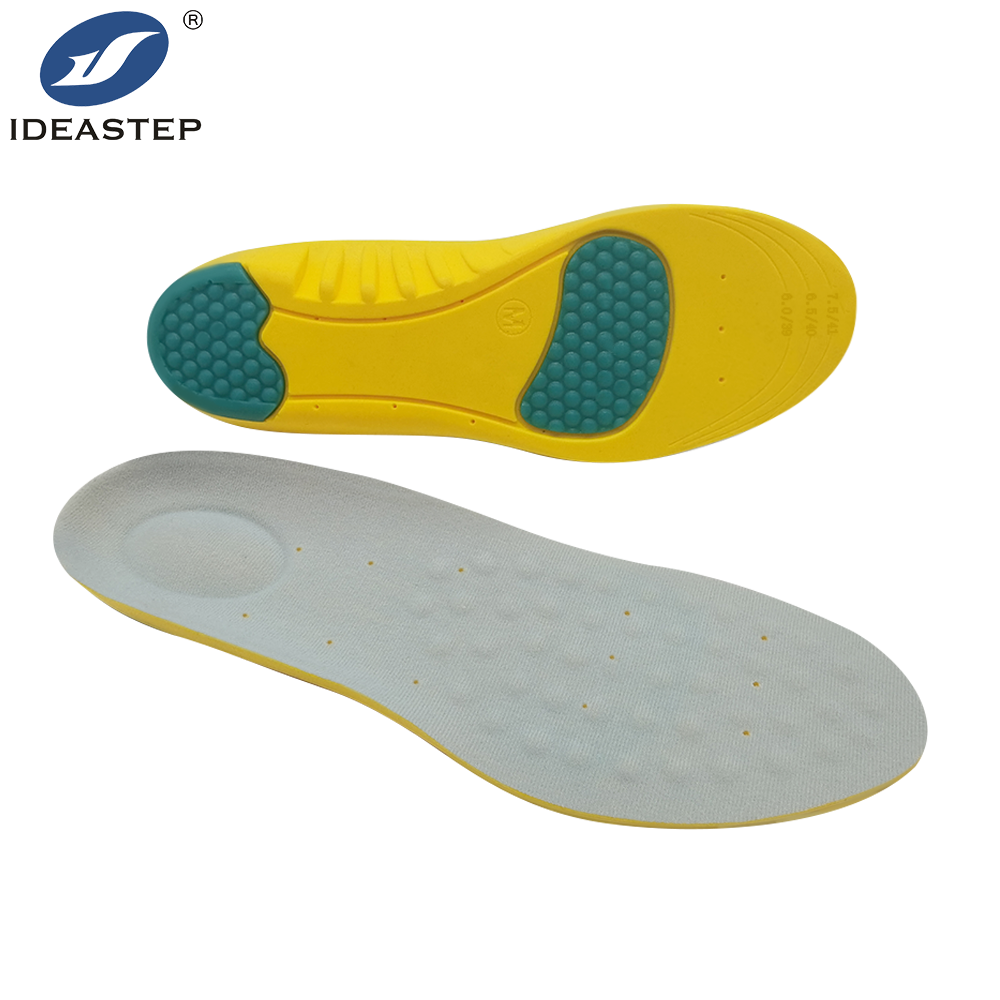
Carbon fiber provides structure, while the foam layer contributes to cushioning and underfoot feel. EVA, PU, and other foams can be used according to the product requirements.
Foam density and thickness can be adjusted by area, such as the heel and forefoot, to meet different product specifications.
Top Cover
The top cover provides the foot-contact surface and affects the overall feel and surface durability. Common materials include mesh, polyester, and microfiber.
For OEM and private label products, colors, patterns, logos, and other branding details can be customized.
Fit Inside Football Boots
Football boots typically have limited internal space, making overall insole thickness and dimensions particularly important. The insole should be tested in the intended boot rather than evaluated separately.
Key dimensions include:
- Length and width
- Heel cup shape
- Arch profile
- Forefoot thickness
- Total insole thickness
- Edge shape
These details can affect how well the insole sits inside the boot and whether the original fit is maintained.
Balancing Weight and Flexibility
Carbon fiber thickness, foam density, and overall construction all affect the finished insole. A thicker carbon fiber layer may increase stiffness, while additional foam can increase cushioning, weight, and thickness.
Before sampling, buyers should define target specifications for weight, thickness, carbon fiber coverage, and flexibility. The approved sample can then serve as the reference for bulk production.
Quality and Durability Checks
For wholesale production, quality control should cover both durability and batch consistency. Depending on the product specifications, common checks include:
- Repeated bending
- Compression and recovery
- Layer bonding strength
- Carbon fiber edge condition
- Dimensional accuracy
- Top-cover wear
Testing requirements should be agreed upon during sampling so the same standards can be applied to subsequent production.
OEM and Private Label Options
Carbon fiber insoles for football can be developed for OEM and private label programs. Depending on the supplier’s capabilities, customization may cover:
- Carbon fiber structure and coverage
- Foam material and density
- Top-cover material
- Arch and heel design
- Size grading
- Logo application
- Packaging
When requesting samples, provide the target football boot, size range, material preferences, expected quantity, and packaging requirements. This gives the manufacturer a clear starting point for development.
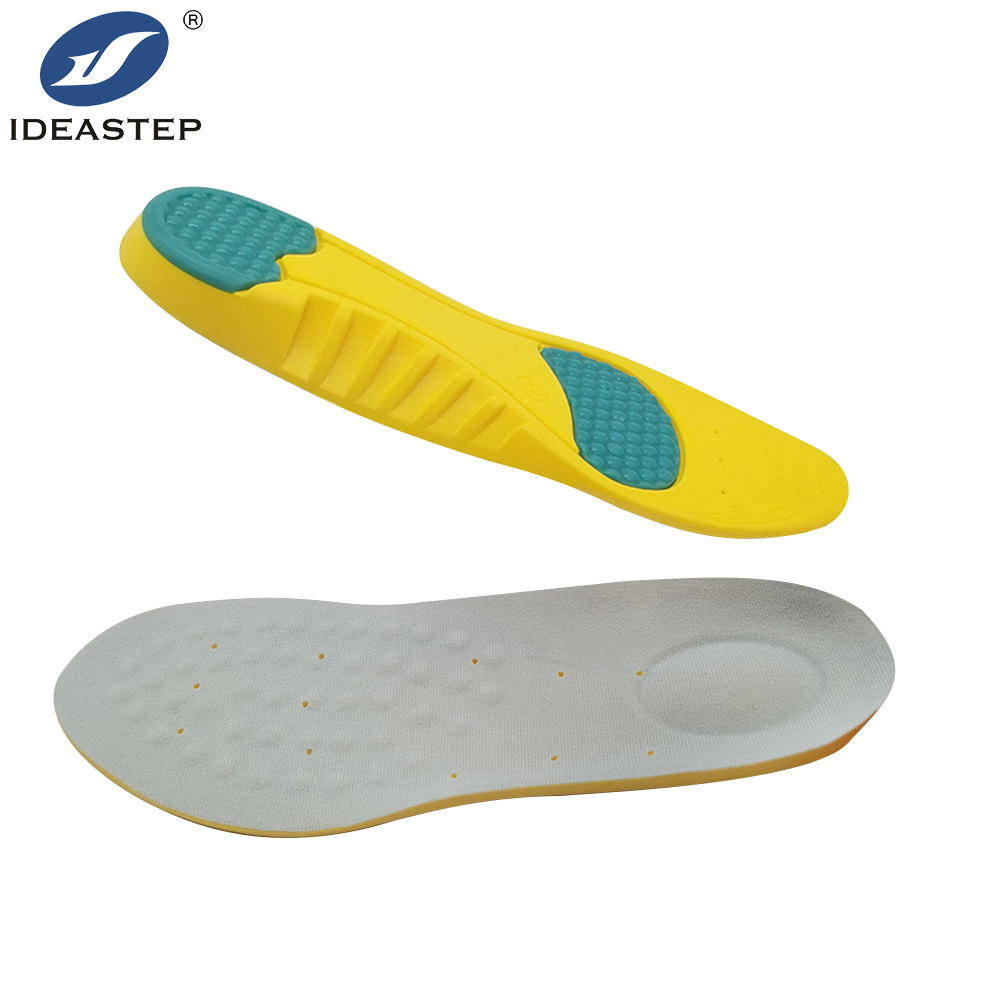
Specifications to Confirm With the Supplier
| Specification | What to Confirm |
|---|---|
| Carbon Fiber | Construction, thickness, coverage, and shape |
| Foam | Material, density, thickness, and cushioning areas |
| Dimensions | Length, width, heel, arch, and forefoot profile |
| Top Cover | Material, surface finish, color, and branding |
| Quality | Bonding, dimensions, appearance, and agreed testing |
| Production | MOQ, lead time, and batch consistency |
Clear specifications help reduce sample revisions and keep bulk production consistent with the approved design.
Choosing the Right Construction
Different football products may require different carbon fiber constructions. A lightweight model may use less carbon fiber coverage and thinner foam, while another design may prioritize cushioning or a different flex profile.
The key is to assess the complete construction rather than the carbon fiber layer alone. Material selection, thickness, flexibility, weight, and boot compatibility should all be considered during development.
Final Considerations
Developing carbon fiber insoles for football requires a balance between structural design and footwear compatibility. Carbon fiber, foam, top-cover materials, dimensions, and bonding all contribute to the final product.
For wholesale, OEM, or private label projects, please contact our team with your footwear model, target specifications, and sample requirements.
Recommended Reading:
Memory Foam Insoles for Football Boots
Key Factors to Consider When Buying Football Insoles for Enhanced Performance