Key Material Tradeoffs When Creating an Insole from EVA Material
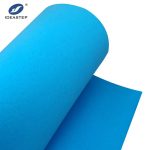
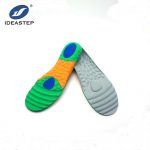
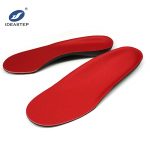
Many footwear brands move into custom orthotics expecting simple foam shaping, but material selection often makes or breaks the final product. Creating an insole from EVA material opens up flexible production paths, yet success depends on understanding how foam grade interacts with your target use case, production setup and end-user expectations. Unlike prefabricated off-the-shelf inserts, orthotics milled from solid EVA let you tailor support profiles specifically for your footwear lines.
We partner with footwear manufacturers navigating the shift to custom orthotic production. Beyond supplying raw EVA stock and finished insoles, we help brands evaluate material limits, tweak formulas and align production choices with their business goals.
What Footwear Brands Should Evaluate Before Creating an Insole from EVA Material
Before launching an EVA orthotic line, there are four practical factors your product and engineering teams need to assess, rather than jumping straight into CNC milling.
1. Compression Set for Long-Term Wear
Not all EVA performs the same after repeated loading. Low-quality EVA loses thickness and cushioning quickly, which triggers product complaints and returns. When creating an insole from EVA material, test the foam’s compression recovery first. This metric tells you how well the orthotic retains its shape after months of daily use, a critical detail for work shoes and everyday footwear.
2. Shore Hardness Matching Your Footwear Category
Hardness selection cannot be one-size-fits-all. Soft EVA works for lifestyle comfort insoles, while firmer grades deliver the structural support needed for orthotic correction. Your shoe last, shoe volume and intended user group all influence which EVA hardness will perform best. Picking the wrong grade leads to orthotics that either feel too rigid or collapse under body weight.
3. Thermal Stability During Processing
EVA reacts to heat during milling and lamination. Some cheaper EVA foams soften or deform under machining heat, causing warped contours and inconsistent arch geometry. For high-volume runs, thermal stability is a non-negotiable feature when creating an insole from EVA material. Stable EVA maintains its form through high-speed milling and adhesive bonding.
4. End-User Foot Type Requirements
Think about who will wear your shoes. Orthotics built for flat feet require different contouring and foam firmness than insoles designed for users with high arches. EVA’s biggest strength is its versatility; the same base material can be milled into varied shapes to serve multiple foot profiles within one product family.
Common Pitfalls When Creating an Insole from EVA Material and How to Avoid Them
Footwear manufacturers new to custom EVA orthotics frequently run into avoidable production issues.
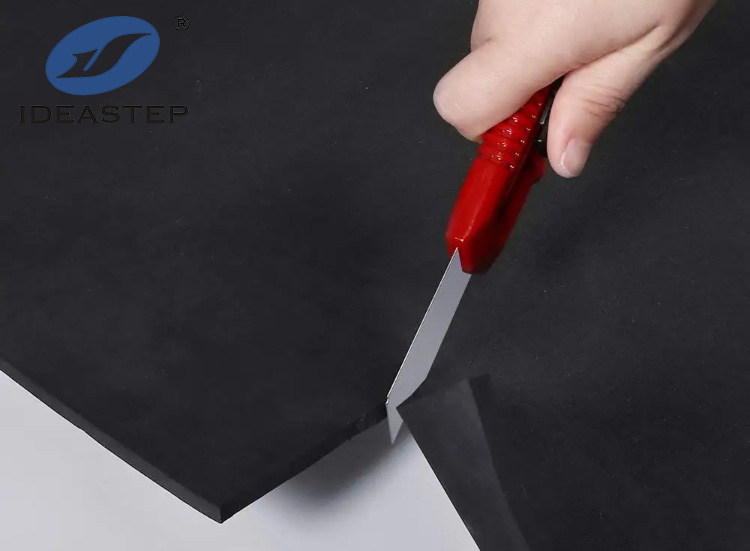
A frequent mistake is buying generic EVA foam not formulated for orthotic milling. This generic material often contains inconsistent cell structure, which creates rough edges, tearing and higher scrap rates during CNC cutting. Orthotic-grade EVA blocks are manufactured with uniform closed-cell structure specifically for machining.
Another common issue is overcomplicating the contour design. Complex deep cutouts look impressive digitally, but they increase machining time and raise reject rates. We advise brands to balance clinical performance with manufacturing practicality when creating an insole from EVA material.
Many teams also overlook finishing compatibility. Some EVA formulas do not bond well with fabric top covers or surface coatings. Early material testing confirms lamination performance before full production begins and prevents costly batch failures.
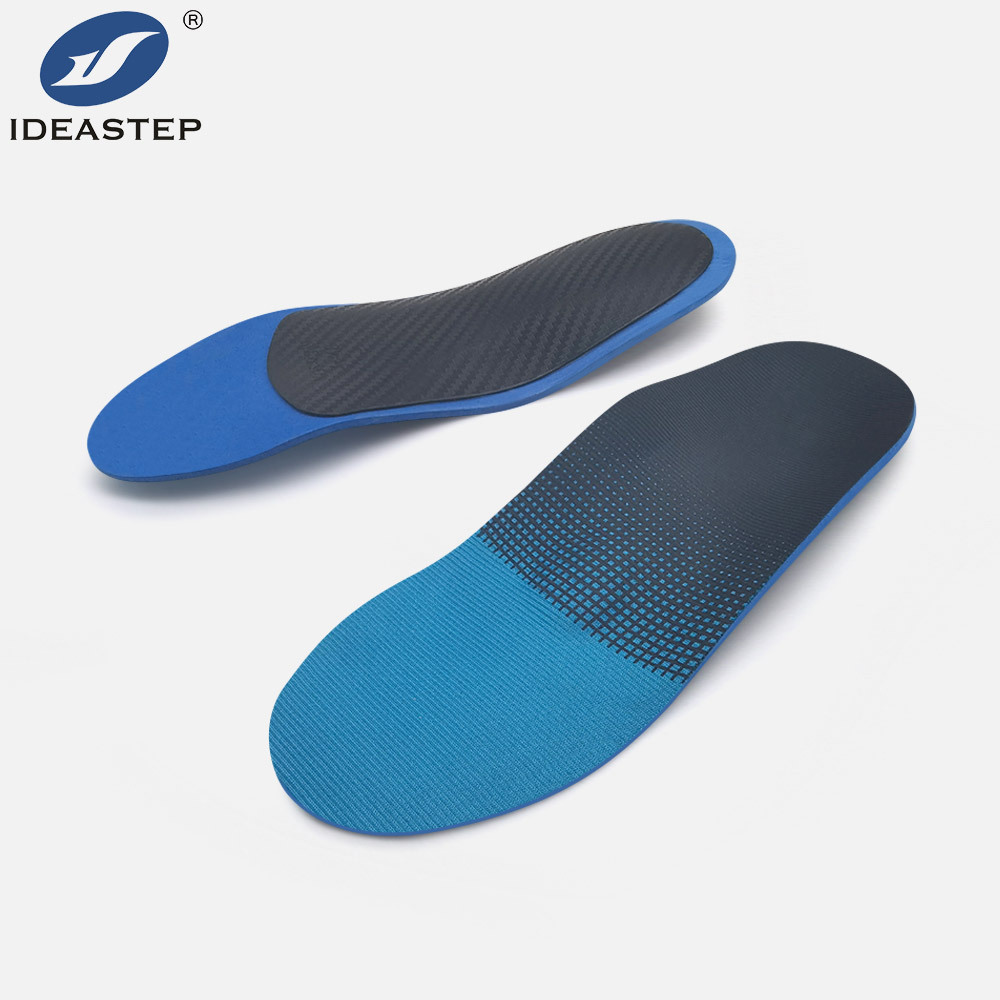
Product Line Opportunities Using EVA Orthotic Insoles
Creating an insole from EVA material lets manufacturers segment their footwear portfolio across multiple tiers. Budget shoe lines can use medium-density EVA for basic comfort upgrades, while premium collections feature precision milled orthotics for posture support.
This modular approach simplifies inventory management. You can hold a small range of EVA hardness grades and produce multiple insole designs from the same raw stock. This cuts down your raw material SKUs and reduces warehousing costs compared with sourcing separate pre-made inserts for every shoe style.
Retail and wholesale buyers see added value when footwear ships with custom contoured orthotics. This feature differentiates your shoe products from competitors selling standard flat insoles and supports higher retail price points.
Our Collaborative Approach for EVA Orthotic Development
We support footwear manufacturers at every stage of developing custom orthotics by creating an insole from EVA material. Our process starts with sample material testing and product specification review before full production.
We offer custom EVA formulation adjustments, prototype milling, small batch trials and scaled bulk manufacturing. OEM branding options including embossed logos, custom top covers and surface treatments can be integrated during production.
All materials meet REACH and RoHS standards, ready for export into North American and European markets. We provide transparent technical data sheets for every EVA grade so your engineering team can complete product validation smoothly.
Start Your EVA Orthotic Development
Creating an insole from EVA material is more than just milling foam. It is a strategic product decision that balances material science, manufacturability and end-user satisfaction.
If your footwear brand plans to develop custom EVA orthotics and wants to avoid common material and production mistakes, contact our team. Request test samples, technical data sheets and prototype pricing to kick off your product development project.
Related Reading: EVA Material Insoles: Key Considerations for Purchasing.