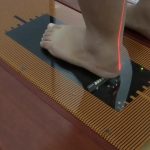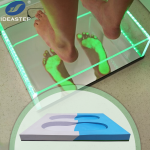
Developing orthopedic insoles for high arches requires a balance between arch contour, cushioning, and structural stability. For wholesalers, foot care brands, and footwear manufacturers, these factors influence material costs, product specifications, and footwear compatibility. Therefore, selecting suitable materials and confirming the design before bulk production can help reduce development risks and maintain product consistency.
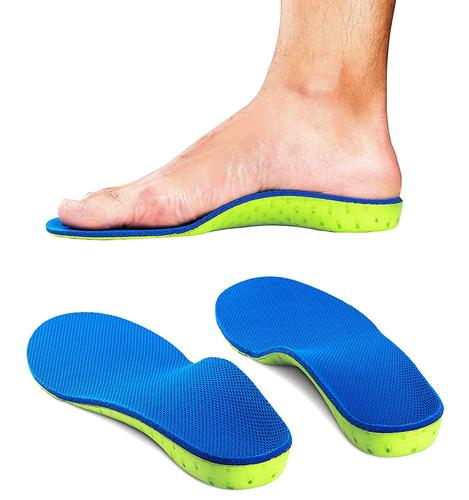
Key Design Considerations for High-Arch Insoles
High-arch insoles need a suitable contour without creating excessive pressure or taking up too much space inside the shoe. To achieve this, manufacturers should consider several factors:
- Arch profile: Define the height, width, and contour according to the intended design.
- Cushioning: Select suitable materials and thicknesses for the heel and forefoot.
- Support structure: Choose a flexible, semi-rigid, or rigid construction based on product requirements.
- Footwear compatibility: Check insole length, thickness, and available shoe volume.
- Surface finish: Consider fabric or microfiber options for the required appearance and branding.
However, a higher arch or harder material does not automatically provide a better design. Instead, the construction should match the intended application, footwear type, and target market.
Material Options for Orthopedic Insoles for High Arches
Material selection affects cushioning, flexibility, durability, weight, and production cost. For wholesale projects, buyers should evaluate each material as part of the complete insole construction.
| Material | Key Characteristics | Typical Application |
|---|---|---|
| EVA Foam | Lightweight and available in different hardness levels | Insole base and cushioning structure |
| PU Foam | Available in different cushioning formulations | Heel, forefoot, or full-length cushioning |
| TPU | Properties vary by grade and design | Flexible or structured support components |
| PP | Can provide a relatively rigid structure | Support shells |
| Fabric or Microfiber | Available in different textures and finishes | Top covers and private-label designs |
EVA foam is a versatile option for shaped insole bodies and cushioning bases. Meanwhile, PU foam can provide additional cushioning, while TPU or PP may suit designs that require a more defined support structure.
For the top layer, fabric and microfiber offer different surface finishes and branding options. Ultimately, the material combination should meet the required dimensions, performance specifications, target price, and footwear fit.
Arch Geometry and Cushioning Design
Although material selection is important, arch geometry and cushioning placement also influence the final construction. Buyers should therefore confirm these details during product development.
Arch Profile
Arch height, width, and contour should be specified together. To clarify the requirements, buyers can provide reference samples, technical drawings, or dimensional specifications. This gives manufacturers a clearer basis for developing the intended shape.
Heel and Forefoot Cushioning
Cushioning requirements may differ between the heel and forefoot. For this reason, material hardness, thickness, and placement should be evaluated together rather than selected independently.
Full-Length or Three-Quarter Design
Full-length insoles cover the footbed, allowing support and cushioning components to extend across the insole. By comparison, three-quarter designs leave more room around the forefoot and may suit footwear with limited internal space. The final choice depends on the target shoe type and product positioning.
OEM/ODM Development and Custom Specifications
For wholesalers and private-label brands, OEM/ODM production provides a way to align insole specifications with market requirements. In general, OEM projects follow buyer-provided designs, whereas ODM projects involve developing or adapting a design with the manufacturer.
Depending on the project, specifications may include:
- Arch profile and support structure
- EVA, PU foam, TPU, or PP materials
- Material hardness, density, and thickness
- Heel and forefoot cushioning
- Full-length or three-quarter construction
- Size range, color, and top cover
- Logo, labeling, and packaging
To obtain a more accurate quotation, buyers should provide the intended application, footwear type, size range, reference design, material preferences, estimated order quantity, and branding requirements. With these details confirmed early, manufacturers can assess feasibility and recommend suitable material combinations more efficiently.
Sample Approval and Quality Control
Before bulk production begins, buyers and manufacturers should agree on the design and measurable quality requirements. This step helps reduce misunderstandings and maintain consistency between production batches.
Key checks may include:
- Dimensions: Verify length, width, thickness, and agreed tolerances.
- Arch geometry: Compare the finished shape with approved drawings or reference samples.
- Material specifications: Check hardness, density, and material grade where applicable.
- Bonding and finish: Inspect adhesion between layers, edge quality, and surface condition.
- Performance testing: Use tests appropriate to the product design and intended application.
In addition, an approved reference sample and written specifications provide a clear basis for production inspection. If a material or construction change becomes necessary, it should be reviewed and approved before implementation.
For products marketed for medical use, buyers should also confirm the applicable regulatory, testing, and labeling requirements for the target market.
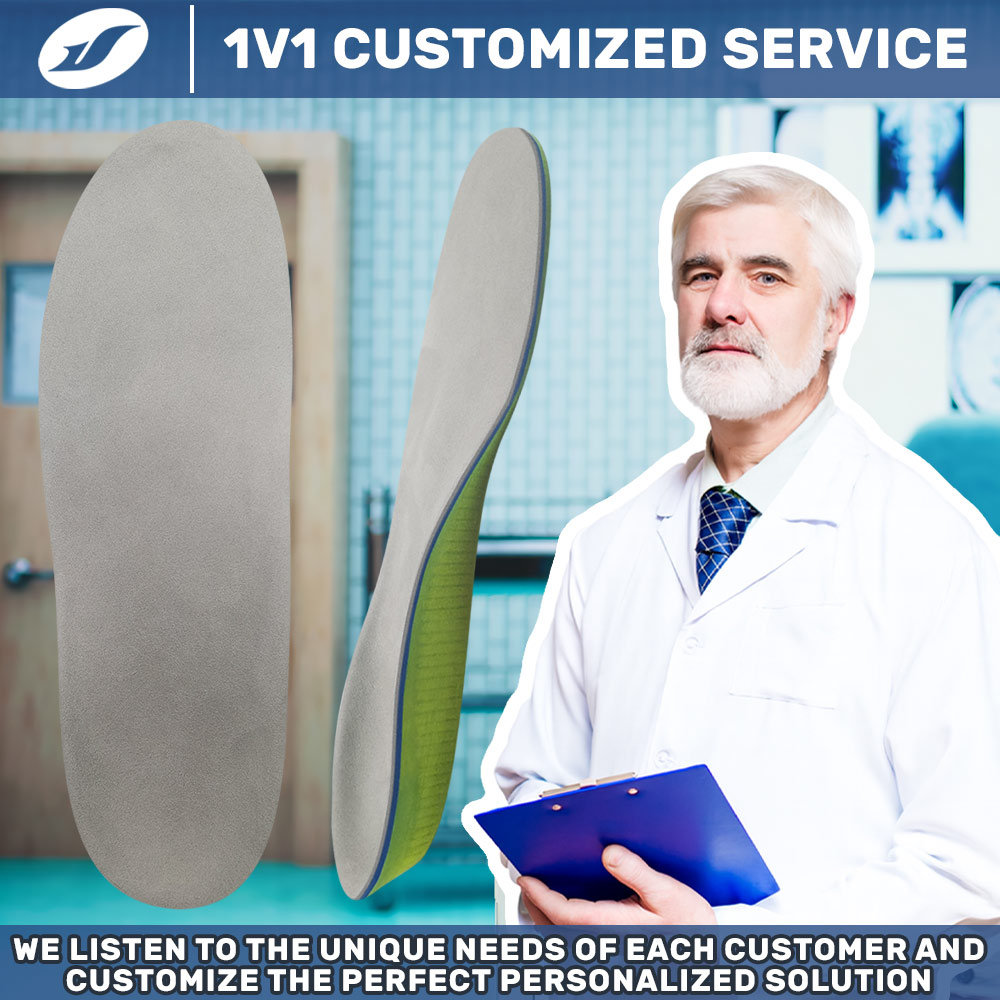
Choosing an Orthopedic Insole Manufacturer
Unit price is only one factor when comparing suppliers. Material capabilities, sampling support, production consistency, and communication also influence the overall value of a supplier relationship.
Before placing an order, wholesale buyers should check whether the manufacturer can:
- Supply the required materials and support components.
- Work from reference samples, drawings, or defined specifications.
- Provide samples for review before bulk production.
- Follow agreed quality control procedures.
- Coordinate size ranges, branding, and packaging.
- Confirm production quantities and delivery schedules.
Ideastep supplies insoles and EVA materials for footwear and foot care applications. Buyers can discuss high-arch insole requirements, material combinations, structural design, and OEM/ODM or wholesale supply options.
Frequently Asked Questions
What materials are used for orthopedic insoles for high arches?
EVA foam and PU foam are common options for insole bodies and cushioning. In addition, TPU or PP may be used for support components, while fabric or microfiber can serve as the top cover.
Do high-arch insoles always require rigid support?
No. The appropriate construction depends on the product design, footwear compatibility, and intended application. Therefore, soft, semi-rigid, and rigid structures can all be considered during development.
Can high-arch insoles be produced under a private label?
Yes. Depending on the project, buyers can discuss material combinations, arch profiles, sizes, top covers, logos, and packaging with the manufacturer.
What information is needed for a quotation?
Buyers should provide the intended application, footwear type, size range, material preferences, reference samples or drawings, estimated order quantity, and branding requirements. These details help the manufacturer evaluate the project and prepare a more relevant quotation.
Why approve samples before bulk production?
Sample approval allows buyers to check dimensions, construction, materials, surface finish, and footwear compatibility. As a result, potential issues can be identified before production specifications are finalized.
Conclusion
Orthopedic insoles for high arches require coordinated decisions on arch geometry, materials, cushioning, and footwear fit. For wholesale buyers, defining specifications early and reviewing samples before production can help control development risks. In addition, agreed quality requirements provide a clearer basis for maintaining consistency across bulk orders.
Related Post:
Shoe Inserts For High Arches Supportive Durable Insoles for Footwear Manufacturers
Arch Supports for High Arches: Key Design and Material Considerations