Developing orthopedic braces for feet requires more than selecting a rigid or flexible material. Structural design, material properties, component geometry, and manufacturing methods must work together to meet the product’s functional requirements.
For orthopedic product brands, distributors, and OEM buyers, the key is to define the required level of support, identify suitable materials, and establish a construction that can be reproduced consistently in bulk production.
Understanding Orthopedic Braces for Feet
Orthopedic braces for feet cover several product categories, including foot braces and ankle-foot orthoses. Each has different requirements for structural support, coverage, fixation, and movement control.
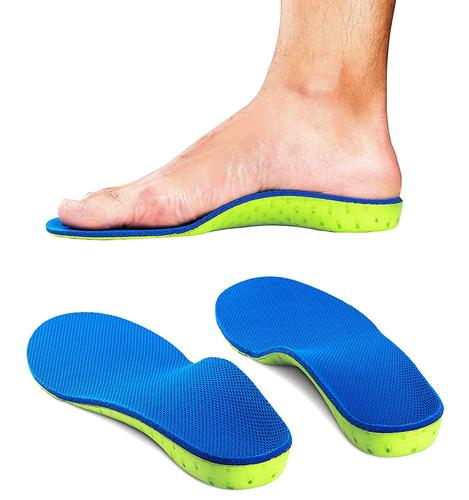
Orthotic insoles are a separate category. They fit inside footwear and may combine arch support, cushioning, heel cups, and reinforcement components. Braces generally involve different structural and attachment requirements, particularly when they extend around the ankle or lower leg.
Defining the correct product category at the start helps manufacturers determine suitable materials, processing methods, and production specifications.
Balancing Support and Flexibility in Brace Design
An effective brace does not need uniform rigidity throughout its structure. Different sections may require different levels of stiffness and flexibility, depending on their intended function.
Structural Support and Material Stiffness
A component’s stiffness depends on more than material hardness. Thickness, curvature, cross-sectional geometry, and reinforcement placement also influence how the structure responds to loading.
For example, a shaped thermoplastic component may provide different structural performance from a flat component made from the same material. Increasing thickness can improve rigidity, but it may also add weight, reduce available space, and complicate forming.
Material selection should therefore be based on the required mechanical properties of the finished component rather than hardness alone.
Designing Controlled Flexibility
Flexibility can be adjusted through material selection, thickness, geometry, and the arrangement of individual components. A design may use a more rigid supporting section alongside a more flexible transition area.
Features such as cutouts or reduced-thickness sections can change how a component deforms, but their placement requires careful evaluation because they may introduce stress concentrations.
The objective is to achieve the required movement control and structural stability without adding unnecessary material or complexity.
Matching Design to Application
The appropriate balance depends on the brace type and its intended function. Products requiring greater movement restriction have different design requirements from those intended to provide more limited support.
Before development begins, the technical specification should define the required rigidity, coverage, fixation method, and relevant performance criteria. Prototype evaluation and appropriate testing can then verify whether the design meets those requirements.
Choosing Materials for Orthopedic Braces for Feet
Material selection affects structural performance, processing efficiency, component compatibility, and production cost. Each material should have a clearly defined role within the product.
Thermoplastics for Structural Components
Thermoplastics are used in selected brace designs because they can be formed into specific profiles. Their suitability depends on the material grade, thickness, forming conditions, and required mechanical properties.
Key considerations include:
- Stiffness and resistance to deformation
- Forming temperature and processing requirements
- Dimensional stability after forming
- Edge quality and finishing
- Compatibility with adjoining components
Material specifications should identify the required grade and relevant properties. The material name alone is not enough to confirm suitability for a particular design.
EVA and PU for Cushioning and Support
EVA and PU foams are used in selected orthotic products for cushioning, padding, and other supporting functions. Their properties vary by formulation, density, hardness, and compression behavior.
In multi-component designs, foam layers may work alongside a separate structural component. The selected foam must suit its intended function and remain compatible with the rest of the assembly.
Manufacturers should assess material performance within the complete construction rather than evaluate each layer in isolation.
Multi-Layer Construction
Combining thermoplastics, foam, textiles, and fastening components allows designers to address different structural and assembly requirements.
However, material interfaces require attention. Adhesive compatibility, surface preparation, layer thickness, bonding strength, and edge finishing can affect product consistency.
Representative samples should be evaluated before the final construction is approved for bulk production.
Key Design Factors in Custom Foot Orthotic Braces
A manufacturable brace design must account for geometry, component integration, dimensional requirements, and production processes from the outset.
Geometry and Dimensional Requirements
Technical drawings should define the overall profile, coverage area, critical dimensions, and required tolerances. Reference samples can help clarify details that are difficult to communicate through drawings alone.
Where the brace must fit within footwear or connect with other components, these interfaces should be included in the design review. Changes to thickness, contour, or component positioning may affect the entire assembly.
Fixation and Component Integration
Depending on the product, the design may include straps, padding, attachment points, joints, or other fastening elements. Their positions, dimensions, and assembly requirements should be documented.
Manufacturers should review how these components interact under the intended loading conditions and confirm that the proposed assembly method is practical for repeat production.
Manufacturing Feasibility
Complex geometry, tight tolerances, and multiple assembly steps can increase production time and cost. Early design review helps identify features that may be difficult to form, cut, bond, or inspect consistently.
Where necessary, manufacturers can propose alternative material combinations or component arrangements while maintaining the agreed design requirements.
Manufacturing Methods for Custom Orthopedic Braces
The appropriate process depends on the material, geometry, required accuracy, and production volume. Different components within one product may require different manufacturing methods.
Thermoforming, Cutting, and CNC Processing
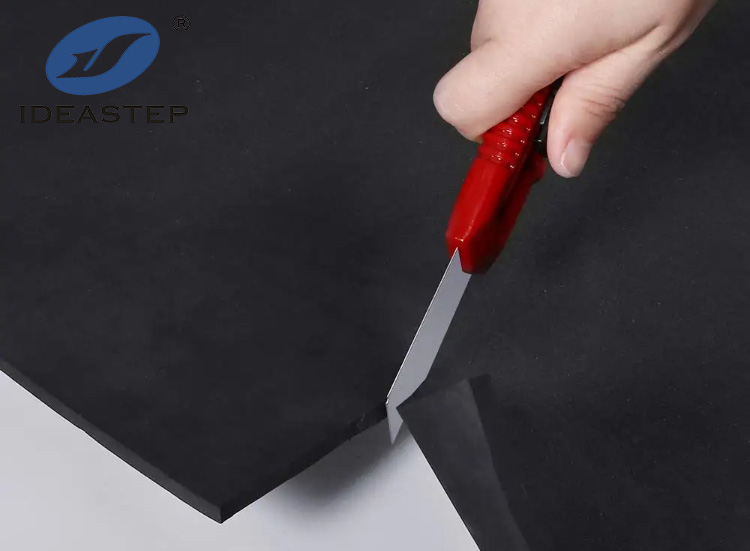
Thermoforming can produce shaped components from suitable thermoplastic materials. Cutting and CNC processing can be used for defined outlines, openings, and detailed geometries where the material and equipment allow.
Process selection should account for material thickness, forming behavior, dimensional tolerances, edge finishing, and tooling requirements. Critical dimensions should be identified before production so the manufacturer can establish suitable inspection methods.
Prototyping and Sample Approval
Prototype development allows the buyer and manufacturer to confirm geometry, materials, assembly, and manufacturing feasibility before bulk production.
The review should cover dimensional accuracy and relevant functional or mechanical requirements. Any approved changes should be incorporated into the technical drawing and product specification.
The approved sample and its associated documentation should serve as the reference for subsequent production.
Quality Control for Bulk Production
Consistent output depends on clear specifications and measurable acceptance criteria. Depending on the product, inspection may cover material identification, critical dimensions, component positioning, bonding quality, and surface finish.
Inspection methods should match the characteristics being evaluated. Material or mechanical requirements may also require appropriate testing.
Documented controls for material changes, process adjustments, and sample revisions help maintain consistency across production batches.
OEM and ODM Solutions for Orthopedic Brace Brands
OEM and ODM projects require different levels of design input, but both benefit from clear specifications and early technical communication.
OEM Manufacturing
For OEM projects, buyers typically provide drawings, reference samples, material requirements, dimensions, and other technical specifications.
The manufacturer reviews production feasibility and identifies missing information that may affect the quotation, sampling, or manufacturing process. Clear documentation reduces ambiguity and provides a reliable basis for repeat orders.
ODM Product Development
ODM projects may begin with a product concept or functional requirement rather than a completed design. Development can include material selection, construction review, prototype production, and design refinement.
Buyers should provide the intended application, key requirements, target cost, and expected order volume. This allows the manufacturer to assess practical design options and production constraints.
MOQ and Lead Time
Minimum order quantity and lead time depend on material sourcing, tooling, design complexity, production methods, order volume, SKU count, and packaging requirements.
Before placing an order, buyers should confirm sample costs, tooling arrangements, sample approval procedures, production schedules, and delivery requirements.
How to Choose an Orthopedic Brace Manufacturer
Selecting a manufacturing partner involves evaluating technical capability, quality management, and production support.
Material and Customization Capabilities
Confirm that the manufacturer can process the required materials and produce the proposed geometry. Relevant capabilities may include forming, cutting, CNC processing, bonding, component integration, and custom finishing.
The supplier should also be able to identify design constraints and explain how the proposed construction can be manufactured.
Quality Control and Production Consistency
Review how the manufacturer controls incoming materials, dimensions, assembly, and product revisions. Ask which characteristics are inspected and how the approved sample is used as a production reference.
Defined inspection criteria and documented specifications help reduce variation across repeat orders.
Technical Communication and Order Support
A capable supplier should identify missing specifications, explain production limitations, and clarify decisions required before sampling.
Buyers should also confirm MOQ, sample lead time, tooling costs, bulk production schedules, and procedures for managing design changes.
What to Include in an OEM Orthopedic Brace Inquiry
To support an accurate quotation and feasibility review, provide the following information:
- Product type and application: Specify the brace category and intended function.
- Drawings or reference samples: Include dimensions, images, and available technical documentation.
- Material requirements: Identify preferred materials, thicknesses, and relevant properties.
- Design specifications: Define geometry, tolerances, coverage, and component arrangements.
- Fixation and assembly: Describe straps, padding, attachment points, and other components.
- Order details: Provide estimated quantity, SKU count, and target delivery date.
- Quality requirements: Specify inspection criteria and applicable testing requirements.
- Branding and packaging: Include labeling, logo, and packaging specifications where required.
If some details remain undecided, identify them clearly so the manufacturer can assess the project and recommend the next development steps.
Develop Custom Orthopedic Products with Ideastep
Successful orthopedic brace manufacturing depends on aligning material selection, structural design, processing methods, and quality requirements from the beginning.
For OEM and ODM projects, clear specifications and timely sample approval help establish a practical path from product development to repeat bulk production.
Contact our team with your technical drawings, reference samples, material requirements, and estimated order quantity to discuss your custom orthopedic product project.
Related Reading: Ankle Support Socks Explained: How Footwear Brands Use Compression Socks to Improve Stability and Comfort.