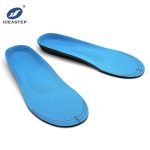
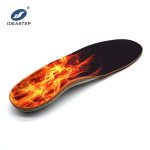
For wholesale buyers, sourcing custom made insoles involves more than comparing unit prices. Product range, material specifications, minimum order quantities, production lead times, and quality consistency all affect purchasing decisions. A well-planned sourcing process helps buyers select suitable products, manage multiple SKUs, and establish a reliable supply arrangement.
For orthotic brands, distributors, importers, and footwear manufacturers, the key is to match product requirements with manufacturing capabilities before placing bulk orders.

Building a Custom Made Insole Product Range
A wholesale product range should reflect the requirements of the target market, the intended footwear applications, and the buyer’s pricing structure. Rather than sourcing unrelated styles, buyers can organize their range around product construction, material combinations, and application requirements.
Arch Support and Structured Insoles
Structured insoles may feature contoured arch profiles, heel cups, metatarsal pads, or other supporting components. Differences in geometry, material hardness, and construction allow manufacturers to develop products for different specifications.
Buyers should define the required support structure and overall dimensions before requesting samples. For established products, a reference sample or technical drawing provides a useful starting point for manufacturing.
Cushioning and Everyday Insole Designs
Cushioning insoles often use foam materials, layered constructions, or selected inserts to meet specific product requirements. Material density, thickness, and surface construction influence the finished product and should be confirmed during development.
For wholesale ranges, using a consistent specification framework across related styles can simplify product management and repeat ordering.
Sports, Workwear, and Specialized Footwear Insoles
Different footwear applications may require different combinations of flexibility, thickness, cushioning, and structural support. Sports footwear, work boots, safety shoes, and specialized footwear can also impose different space and durability requirements.
Buyers should identify the target footwear and intended product application when discussing a new design. This information helps the manufacturer assess material options and construction feasibility.
Single-Material and Multilayer Constructions
Single-material designs can simplify material planning and processing. Multilayer constructions provide more options for combining surface materials, cushioning layers, and structural components, but they may require additional assembly and bonding controls.
The appropriate construction depends on the product specification, target cost, production volume, and manufacturing process.
Key Specifications for Wholesale Insole Orders
Clear technical specifications help manufacturers prepare accurate quotations, develop suitable samples, and maintain consistency during bulk production. Buyers should document the critical requirements before confirming an order.
Dimensions, Thickness, and Size Grading
Length, width, overall thickness, heel dimensions, and forefoot geometry should be defined for the required size range. When a product covers multiple sizes, the grading method should specify how key structural features change between sizes.
Scaling the overall length alone may not preserve the intended arch position or heel geometry. Size-specific drawings or an approved grading specification provide a more reliable manufacturing reference.
Material Type, Density, and Hardness
EVA foam, PU foam, and TPU components offer different material and processing characteristics. Buyers should specify the required material type, density, hardness, thickness, and layer arrangement wherever these parameters are relevant.
Material descriptions should be as precise as possible. If a project uses an existing reference sample, the buyer and manufacturer should agree on how the material will be identified and verified.
Arch Profile, Heel Cup, and Structural Features
For structured orthotic insoles, the arch profile, heel cup depth, wedge geometry, and position of additional components can be critical specifications. Technical drawings and dimensioned reference samples help communicate these features more accurately than general descriptions.
Any changes to structural dimensions should be reviewed during sampling and documented before bulk production.
Top Covers, Bonding, and Surface Finish
Top covers, surface textures, edge finishing, and layer bonding influence the appearance and construction of the finished insole. Buyers should identify preferred cover materials, colors, and finishing requirements when preparing a product brief.
For multilayer products, material compatibility and bonding quality should be checked during sample evaluation. These details should also be included in the approved production specification when relevant.
Material and Customization Options
Customization can involve changes to material selection, structural design, surface appearance, branding, or packaging. Buyers should distinguish between straightforward product variations and changes that require additional engineering, tooling, or sample development.
EVA Foam Options
EVA foam is widely used in insole manufacturing because it is available in different densities, hardness levels, and thicknesses. It can be processed into various shapes and profiles according to the product requirements.
Single-density and dual-density constructions can serve different design needs. The material specification should account for the required structure, processing method, and target production cost.
PU Foam and Cushioning Components
PU foam can be incorporated into cushioning layers and other insole constructions. Its suitability depends on the material formulation, density, thickness, and interaction with surrounding components.
When PU foam is combined with other materials, the manufacturer should evaluate bonding compatibility and overall construction during sample development.
TPU Components and Structural Elements
TPU components may be used in designs that require specific structural features. Their shape, thickness, and position should be defined in the product specification and confirmed during sampling.
For multilayer constructions, buyers should review the complete assembly rather than assessing each component separately. The selected materials and joining methods need to work together within the intended design.
Colors, Branding, and Packaging
Depending on the manufacturing setup, customization may include color selection, top-cover options, logo application, labels, and private-label packaging. Buyers should provide approved artwork and confirm packaging specifications before production starts.
For orders involving multiple styles or sizes, each SKU should have a clear product code and specification. This helps prevent mix-ups during production, packing, and repeat ordering.
MOQ, Lead Time, and Bulk Supply Planning
Minimum order quantities and lead times vary according to the material, product construction, manufacturing process, tooling requirements, and order volume. Buyers should confirm these conditions for each product rather than assuming one set of terms applies to the entire range.
Understanding Minimum Order Quantities
MOQ may depend on raw material purchasing requirements, production setup, tooling, and the complexity of the design. Standard constructions and highly customized products may therefore have different order conditions.
When requesting a quotation, buyers should specify the expected quantity for each style, size, and material combination. This allows the manufacturer to assess the order structure and identify any MOQ constraints.
Sample Lead Time and Production Lead Time
Sample development and bulk production are separate stages. Sampling may involve technical review, material preparation, prototype production, and revisions. Bulk production generally begins after the design and specifications have been approved.
Buyers should confirm the expected timeline for each stage and clarify when the production lead time begins. Material availability, sample revisions, order complexity, and packaging approval can all affect the schedule.
Managing Multiple SKUs and Size Breakdowns
Wholesale orders often include several styles, sizes, or material configurations. A detailed purchase order should list each SKU, its specifications, and the required quantity.
Clear product codes, size labels, and packaging instructions help coordinate production and reduce identification errors. For larger product ranges, buyers should also establish a process for approving specification changes.
Planning Repeat Orders and Material Availability
Repeat orders are easier to manage when the approved specifications, material references, and packaging details remain documented. Buyers should also discuss material availability and the procedure for reviewing substitutions or changes.
For ongoing supply programs, sharing realistic demand forecasts can help both parties plan material purchasing and production capacity. Forecasts should remain separate from confirmed purchase orders unless the parties agree otherwise.
Quality Control for Wholesale Insole Supply
Quality requirements should be defined before production begins. For wholesale buyers, the objective is to ensure that delivered products match the approved specifications and meet the agreed acceptance criteria.
Checking Dimensions and Material Specifications
Inspection may cover overall length, width, thickness, structural dimensions, material hardness, and other specified characteristics. The applicable tolerances should be agreed upon in advance and documented for the relevant product sizes.
Material checks should also confirm that the selected foam, cover materials, and structural components match the approved specification.
Comparing Bulk Products with Approved Samples
The approved sample provides a reference for evaluating production output. Checks may include shape, surface finish, material combination, component placement, and overall construction.
Where a product has several sizes or configurations, the inspection plan should account for those variations. Any changes to the approved design should be documented and authorized before implementation.
Bonding, Appearance, and Packaging Inspection
For multilayer insoles, inspection should include bonding quality and visible separation where applicable. Surface defects, uneven edges, and other appearance issues should be evaluated against the agreed quality criteria.
Before dispatch, buyers and suppliers should also confirm the order quantities, SKU identification, labels, and packaging requirements.
Handling Defects and Specification Changes
A clear process for reporting defects helps both parties investigate problems and agree on corrective action. Inspection records should identify the affected product, the nature of the issue, and the action taken.
Changes to materials, dimensions, or construction should follow an agreed approval process. This helps maintain consistency across subsequent orders.
How to Choose a Custom Insole Supplier
A suitable supplier should match the buyer’s product requirements, order structure, and long-term supply needs. Unit price matters, but it should be evaluated alongside technical capability, quality procedures, and delivery planning.
Product Range and Manufacturing Capabilities
Check whether the supplier can manufacture the required insole types and work with the specified materials and structural components. Buyers developing several product categories should also consider whether the supplier can manage different constructions and size ranges.
Sampling and Technical Communication
Ask how technical requirements are reviewed, how samples are revised, and how final specifications are approved. Clear communication helps reduce misunderstandings before production and gives both parties a defined process for handling changes.
MOQ, Pricing, and Delivery Planning
Compare quotations based on equivalent specifications, quantities, materials, and packaging requirements. Confirm the MOQ for each relevant SKU, the sampling schedule, and the expected bulk production lead time.
A useful quotation should identify the scope of supply and clarify any additional costs, such as tooling, special packaging, or design development where applicable.
Support for Long-Term Wholesale Supply
For repeat business, buyers should evaluate how the supplier manages specifications, material references, product revisions, and reorder information. These procedures become particularly important when the product range includes many SKUs or when orders are placed at regular intervals.
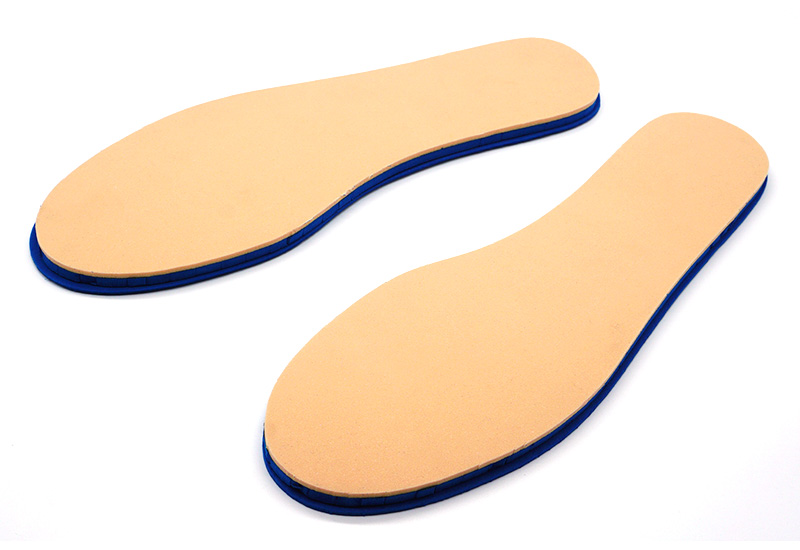
What to Include in a Wholesale Insole RFQ
A complete request for quotation gives the manufacturer a clearer basis for evaluating the project. Buyers should include the following information wherever available:
- Product type: Required insole styles, applications, and reference samples.
- Technical specifications: Dimensions, thickness, material type, density, hardness, and structural features.
- Size range: Required sizes and the quantity for each size or SKU.
- Customization: Colors, top covers, logos, labels, and packaging details.
- Order volume: Initial quantity, estimated reorder frequency, and expected product mix.
- Quality requirements: Dimensional tolerances, inspection criteria, and any applicable documentation.
- Schedule: Sample requirements, approval deadlines, and target delivery dates.
If some specifications are not yet finalized, buyers should identify the open items. The manufacturer can then review feasibility and clarify which details need to be confirmed before sampling or quotation.
Frequently Asked Questions
What is the typical MOQ for custom made insoles?
MOQ depends on the product design, materials, manufacturing process, and production setup. Buyers should request project-specific quantities for each style or SKU rather than assume a universal minimum.
Can wholesale buyers order multiple insole styles and sizes?
Many manufacturing projects can accommodate multiple styles and sizes, subject to the supplier’s capabilities and the agreed order conditions. Buyers should provide a detailed SKU breakdown so the manufacturer can confirm quantities, pricing, and production arrangements.
What affects the cost of custom made insoles?
Pricing can depend on material selection, product complexity, dimensions, manufacturing methods, order quantity, tooling, branding, and packaging. Comparing quotations is most useful when the specifications and quantities are equivalent.
Can manufacturers provide private-label packaging?
Private-label options may include logo application, labels, and custom packaging, depending on the supplier’s capabilities. Buyers should confirm artwork, packaging specifications, and any applicable minimum quantities before production.
What information is needed for a wholesale quotation?
Product specifications, material preferences, size ranges, estimated quantities, customization requirements, and target delivery dates provide a useful starting point. Reference samples or technical drawings can help the manufacturer evaluate feasibility more accurately.
Discuss Your Wholesale Insole Requirements
Successful wholesale sourcing starts with a clearly defined product range, confirmed specifications, realistic order quantities, and an agreed quality standard. These details help align product development with manufacturing capacity and long-term supply requirements.
Ideastep works with B2B buyers on orthotic insoles and insole materials for different product applications. Share your product requirements, target quantities, size breakdown, and customization details with our team to discuss suitable manufacturing options.
Contact Ideastep to discuss your custom made insole requirements and request a project quotation.
Related Post:
Ideastep Wholesale custom made insoles for plantar fasciitis company for shoes maker
How much will it cost for custom made insoles production?