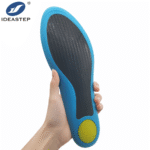
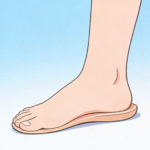
Developing heat moldable orthotic insoles for OEM customers requires careful consideration of material compatibility, support structure, molding performance, and production consistency. For footwear brands, orthotic product distributors, and private-label businesses, the challenge is to turn product requirements into a design that can be tested, approved, and manufactured at scale.
This article outlines the key stages of an OEM project, from defining product specifications and selecting materials to validating samples and preparing for bulk production.

1. Defining OEM Product Requirements
Product development starts with a clear understanding of the target market, footwear type, and required insole construction. These factors determine the design approach, material selection, and manufacturing process.
Application and Structural Requirements
Key specifications may include arch geometry, heel cup depth, overall thickness, flexibility, and the intended heat molding process. The design must also fit the available space inside the target footwear.
Buyers should provide reference samples, technical drawings, or product specifications whenever possible. Details such as size range, estimated order quantity, branding, and packaging requirements also help establish the scope of the OEM project.
2. Material Selection and Insole Design
Material selection depends on the required molding behavior, support characteristics, footwear compatibility, and target cost. Not every material grade or layered construction is suitable for every heat molding process.
Heat Moldable Materials and Construction
EVA, PU, thermoplastic components, and other specialized materials may be considered depending on the design. Their suitability should be evaluated based on formability, flexibility, dimensional stability, and compatibility with other layers.
For multi-layer constructions, bonding performance and the response of each material to heat also need to be checked. Material combinations should be validated under the intended processing conditions before production.
Arch Support, Heel Cup, and Shoe Fit
Arch contour and heel cup geometry influence the insole’s structure and fit. Thickness and flexibility must also be considered, particularly when the product is designed for footwear with limited internal space.
During prototype development, these features should be assessed together rather than adjusted in isolation. This helps identify fit or construction issues before the design is finalized.
Surface Materials and Private-Label Options
Top-cover fabrics, colors, printed logos, and branded packaging can be customized to suit the buyer’s product range. Surface materials must remain compatible with the specified heating and forming process to reduce the risk of deformation, delamination, or surface damage.
3. OEM Development and Sample Approval
A structured sampling process helps convert design requirements into a production-ready specification.
Prototype Development and Molding Tests
Initial samples are used to assess construction, fit, dimensions, surface condition, and forming behavior. Testing should follow the selected material’s requirements and the capabilities of the molding equipment.
Heating temperature, time, pressure, and cooling conditions should be established through appropriate technical guidance and testing. These parameters should not be assumed to apply universally across different materials.
Design Adjustments and Final Approval
Based on sample evaluation, adjustments may be needed to material thickness, arch geometry, heel cup dimensions, or layer construction. Each revision should be documented so that both parties can track changes and compare results.
Before bulk production, the buyer should approve a final sample and confirm the corresponding specifications, including materials, dimensions, construction, appearance, and acceptance criteria. Any subsequent changes should be reviewed and approved before implementation.
4. Heat Molding Performance and Quality Control
Heat molding performance should be evaluated against the requirements of the specific product. The objective is to confirm that the insole can be formed under the intended conditions while meeting the required structural and dimensional standards.
Formability and Structural Stability
Evaluation may cover forming consistency, dimensional changes, layer bonding, surface condition, and structural integrity after molding. Additional testing may be appropriate when the product has specific shape-retention or durability requirements.
Performance claims should be supported by relevant test results rather than assumed from the material type alone.
Dimensional Accuracy and Inspection
Inspection criteria may include overall length and width, thickness, arch height, heel cup geometry, bonding, and surface appearance. Suitable measurement methods and tolerances should be agreed upon before production begins.
Documented specifications and inspection records help the manufacturer compare finished products with the approved sample and identify production deviations.
5. Preparing for Bulk Production
Scaling up requires a controlled manufacturing process that maintains the approved construction and quality standards across the order.
Production Workflow and Batch Consistency
Depending on the design, production may involve material preparation, cutting, molding, lamination, trimming, surface finishing, and final inspection. Process controls should focus on the steps that can affect dimensions, bonding, forming performance, and appearance.
Incoming material checks, in-process inspections, and finished-product sampling can help identify defects before shipment. The inspection plan should reflect the product’s construction and agreed acceptance criteria.
MOQ, Lead Time, and Packaging
MOQ and lead time depend on material availability, design complexity, production setup, order quantity, and packaging requirements. Buyers should provide a clear product brief so the manufacturer can assess costs and scheduling more accurately.
Private-label requirements, including logos, size markings, barcodes, labels, and retail packaging, should be confirmed before production to avoid unnecessary changes later in the process.
6. Key Takeaways from an OEM Development Project
Successful OEM development depends on aligning product design with material performance and manufacturing requirements. Potential issues, such as limited shoe space, unsuitable material combinations, or dimensional changes during molding, are easier to address during sampling than after mass production begins.
Clear technical specifications, documented sample revisions, and final sample approval give both parties a consistent reference. For repeat orders, retaining approved specifications and quality records also helps maintain product consistency.
Where actual project data is available, an OEM case study can include development lead time, sample revisions, inspection results, or production volume. These details should be based on documented project records rather than estimates presented as confirmed results.
7. Choosing a Heat Moldable Orthotic Insoles OEM Manufacturer
When evaluating a manufacturing partner, B2B buyers should look beyond unit price and consider the supplier’s ability to support product development and ongoing production.
- Material and design expertise: The manufacturer should be able to assess material compatibility, insole construction, and molding requirements.
- Sampling and quality control: Check how samples are evaluated, revisions are documented, and approved specifications are applied to production.
- OEM/ODM flexibility: Confirm available options for dimensions, materials, surface finishes, branding, and packaging.
- Bulk supply and repeat orders: Discuss production capacity, lead times, quality records, and procedures for managing specification changes.
Clear communication and consistent technical documentation help reduce misunderstandings during development and support a more reliable long-term supply relationship.
8. Frequently Asked Questions
What Are Heat Moldable Orthotic Insoles?
Heat moldable orthotic insoles are designed to be shaped under specified heating and forming conditions. Their suitability depends on the materials, construction, equipment, and intended application. Not all orthotic insoles are heat moldable.
Can Heat Moldable Orthotic Insoles Be Customized for Different Footwear?
Yes. Customization may include thickness, arch geometry, heel cup design, materials, and surface finishes. Each design should be evaluated against the internal space and construction of the target footwear.
What Materials Are Used in OEM Heat Moldable Insoles?
Depending on the design, options may include EVA, PU, thermoplastic components, and other specialized materials. Selection should be based on molding compatibility, structural requirements, bonding performance, and cost.
What Information Is Needed for an OEM Quotation?
Provide product drawings or reference samples, size requirements, material preferences, construction details, molding conditions, estimated order quantity, branding, and packaging specifications. These details help the manufacturer evaluate feasibility and prepare a more accurate quotation.
How Can Buyers Maintain Quality in Bulk Orders?
Confirm the product specification, approve a final sample, agree on inspection criteria, and document any changes. Appropriate process controls and quality records help reduce variation between production batches.
9. Develop Custom Heat Moldable Orthotic Insoles with Ideastep
OEM heat moldable orthotic insoles require coordination between material selection, structural design, molding requirements, and production control. A clearly defined specification and an approved sample provide the foundation for moving from product development to bulk supply.
Ideastep works with B2B customers exploring custom insole products and manufacturing solutions. When discussing an OEM project, buyers can provide product drawings, reference samples, target footwear, material requirements, estimated order quantities, and private-label specifications.
To discuss your requirements, visit the Ideastep contact page to inquire about customization options, sample development, and potential bulk production arrangements.
Related Reading: Heat Moldable Orthotic Insoles: Benefits for Bespoke Shoemakers in UK.