Dual density EVA foam blocks provide material options for manufacturers developing custom orthotic insoles and footwear components. By combining two density levels within one structure, this material allows designers to specify different degrees of firmness and flexibility in designated areas of a component.
Ideastep supplies dual density EVA foam blocks for orthotic insole manufacturers, footwear component producers, and material distributors. Available options include selected colors and customized logos, with block dimensions and density combinations discussed according to project requirements.
For production teams evaluating EVA materials, the key considerations are the density configuration, block dimensions, machining compatibility, and specifications of the finished component.
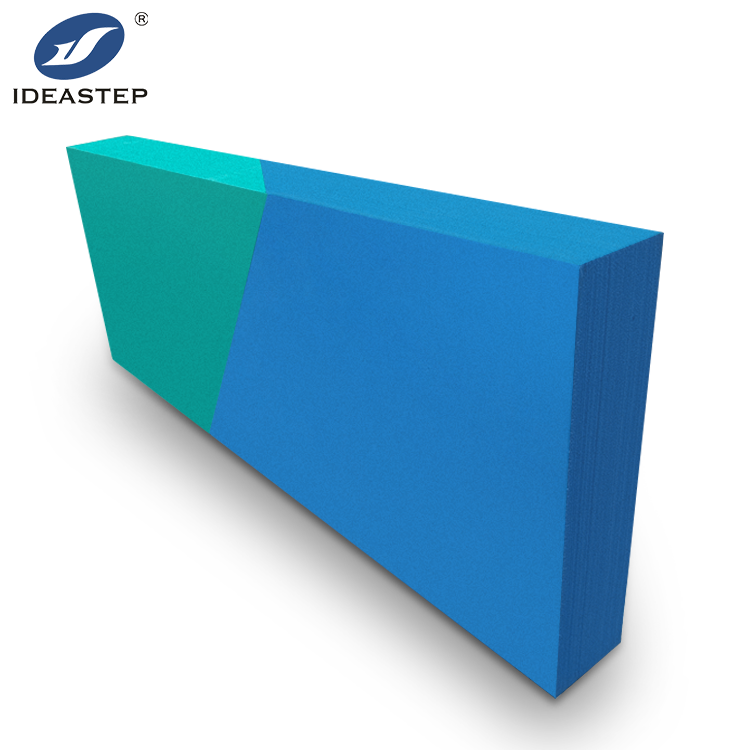
Overview of Dual Density EVA Foam Blocks
Dual density EVA foam blocks combine two EVA material sections with different density levels. This construction can support designs that require distinct material characteristics within a single insole or footwear component.
The suitability of a particular block depends on its material formulation, density combination, structure, and intended processing method.
Product Specifications
| Specification | Details |
|---|---|
| Brand | Ideastep |
| Material | EVA foam |
| Structure | Dual density |
| Available Colors | Blue, green, and other available colors |
| Logo | Customized logo available |
| Processing Options | CAD/CAM machining, cutting, heat pressing, and bonding, subject to compatibility |
| Main Applications | Orthotic insoles and footwear components |
| Place of Origin | China |
Specific density values, block dimensions, tolerances, and other technical parameters should be confirmed before production planning.
How the Dual Density Structure Works
The two density levels offer manufacturers different material characteristics within the same structure. A firmer section may suit areas requiring greater material firmness, while a softer section may be considered where additional flexibility or cushioning characteristics are needed.
The result depends on more than density alone. Material formulation, section thickness, component geometry, and the placement of each density level all influence how the material fits a particular design.
When evaluating dual density EVA, manufacturers should review the complete material specification alongside the intended insole profile rather than selecting a block based on a single parameter.
Material Selection for Orthotic Insole Manufacturing
Choosing EVA foam for an orthotic insole involves matching material properties to the component design and production method. Density, thickness, material layout, and the required finished shape should be considered together.
Selecting the Right Density Combination
Different insole designs may require different combinations of firmness and flexibility. The appropriate configuration depends on the intended structure, the thickness of each section, and the characteristics required in the finished component.
Manufacturers developing a new design can provide technical drawings, target dimensions, or an existing material specification to clarify their requirements. These details help establish which density combinations and block configurations are suitable for further evaluation.
Considering Block Dimensions and Component Geometry
Block dimensions affect material utilization and the available machining area. They also influence how a blank fits the production workflow and the geometry of the intended component.
Before selecting a material, buyers should compare the available block dimensions with the required component size, cutting layout, and machining setup. Where a design requires a specific arrangement of the two density sections, that structure should be documented clearly.
EVA Foam Processing and Manufacturing Compatibility
Dual density EVA foam blocks can be evaluated for different manufacturing workflows, including cutting and suitable CAD/CAM machining. Heat pressing and bonding may also be relevant, depending on the material construction and process requirements.
Compatibility should be established for the specific material configuration rather than assumed across all EVA products.
CAD/CAM Machining and Cutting
CAD/CAM machining and cutting allow manufacturers to shape EVA blanks according to a defined component design. Before production, the block dimensions, density arrangement, cutting depth, and required tolerances should be checked against the equipment and machining parameters.
For dual density materials, the position of each section may also affect the cutting plan and the final component structure. Reviewing these factors during material selection can help manufacturers identify potential processing constraints before setting up production.
Heat Pressing and Bonding
Heat pressing and bonding may be used in EVA processing where the material construction and intended application support these methods. Suitable temperature, pressure, bonding materials, and processing conditions depend on the specific formulation and production setup.
Manufacturers should establish process parameters through technical review and appropriate trials. Results from one EVA formulation or density combination should not automatically be applied to another.
Evaluating Material Compatibility
A block that meets a project’s size requirements may still need further evaluation for machining or other production operations. Material structure, thickness, component geometry, equipment capabilities, and process tolerances all contribute to compatibility.
Sharing the intended manufacturing method and finished component requirements gives the supplier a clearer basis for discussing available material options.
Customization Options for Wholesale Orders
Ideastep offers color and logo customization options for suitable orders. Density combinations and block dimensions can also be discussed according to the project’s technical requirements and available production options.
Color and Logo Customization
Listed color options include blue, green, and other available colors. Customized logos may also be available, subject to confirmation of the order requirements and production method.
Buyers should specify color preferences, logo artwork, and any identification requirements when requesting a quotation. Availability, customization methods, and applicable order conditions should be confirmed before production.
Block Dimensions and Density Specifications
Block dimensions and density values are key details when sourcing dual density EVA for insole production. Buyers should provide the required length, width, thickness, density specifications, and relevant drawings where available.
If the project requires a particular arrangement of the two density sections, include that information in the technical brief. Clear specifications make it easier to assess material suitability and discuss the next steps.
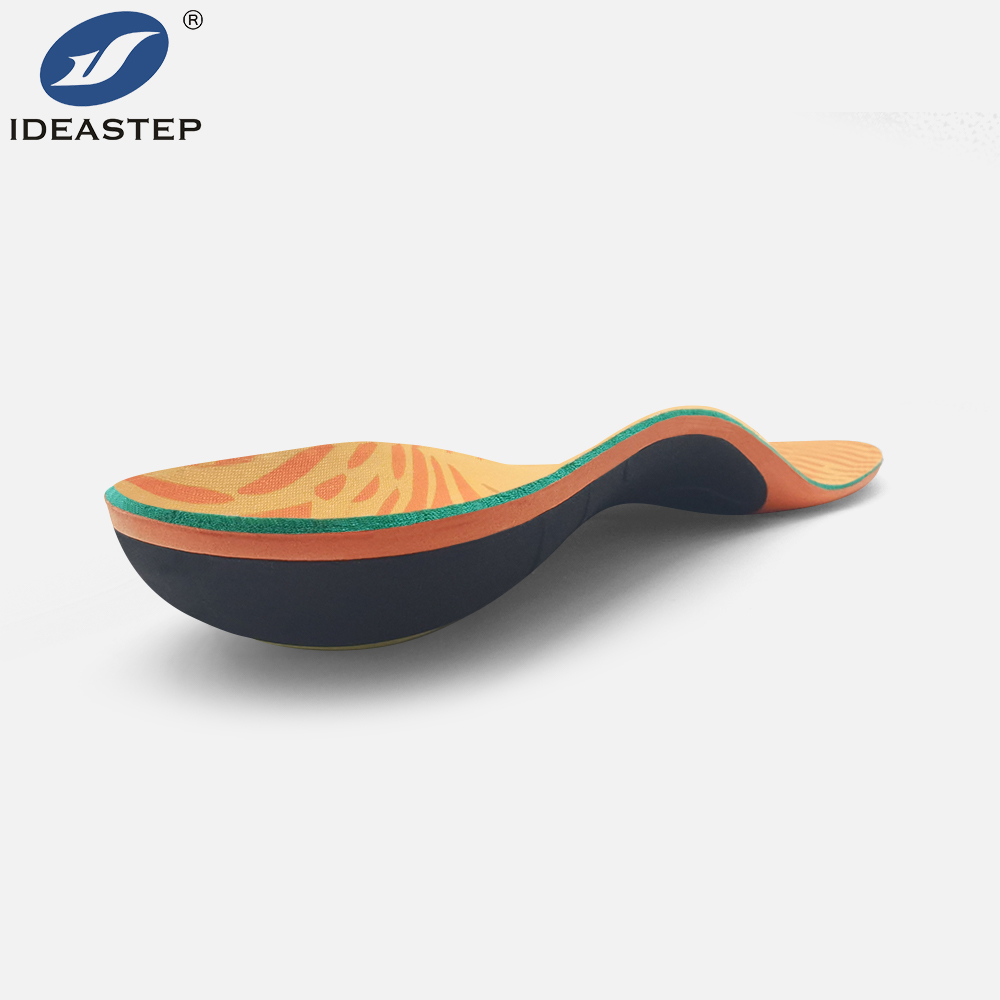
Applications in Orthotic Insoles and Footwear Components
Dual density EVA foam blocks are intended for orthotic insole manufacturing and selected footwear component applications. Suitability depends on the material configuration, component design, and processing requirements.
Custom Orthotic Insole Production
In orthotic insole manufacturing, dual density EVA can be evaluated for designs that require different material characteristics within one component. The two-section structure provides an option for incorporating distinct firmness and flexibility requirements into the design.
The final selection should reflect the required insole geometry, density values, material thickness, and machining process. Manufacturers should assess the specified material against their design and production criteria before moving to a full production run.
Footwear Component Manufacturing
Selected footwear components may also be suitable for dual density EVA, provided the material structure and processing characteristics meet the application’s requirements.
When evaluating a new application, manufacturers should define the component’s dimensions, required material characteristics, and production method. This information helps determine whether the available block configuration is appropriate for further testing.
What to Confirm Before Placing a Wholesale Order
A clear technical brief helps manufacturers and suppliers evaluate material options more efficiently. Before placing an order, buyers should review the following points.
Material Specifications
Confirm the density values of both EVA sections, block dimensions, dimensional tolerances, and the required arrangement of the material layers or sections. Request the relevant technical information needed to compare the proposed material with the project’s specifications.
Processing and Sample Evaluation
Provide the intended machining or processing method, equipment requirements, and finished component drawings. Where available, a sample or preliminary material evaluation can help determine whether the material meets the project’s requirements before a larger order is placed.
Any processing trials should follow the supplier’s technical guidance and the manufacturer’s own quality-control procedures.
Documentation and Commercial Terms
The product information references GRS, CE, ISO 9001, ISO 13485, and MSDS documentation. Buyers should verify the availability, validity, scope, and applicability of each document for the specific product, material, and intended use. These references should not be interpreted as confirmation that every document applies to every configuration.
Minimum order quantity, pricing, production lead time, customization conditions, and shipping arrangements should also be confirmed directly with the supplier.
Discuss Your Dual Density EVA Requirements with Ideastep
Selecting dual density EVA foam for orthotic insole production starts with a defined material specification and a clear understanding of the manufacturing process. Density combinations, block dimensions, component geometry, and machining requirements all help determine which options warrant evaluation.
Ideastep works with businesses sourcing EVA materials for orthotic insoles and footwear components. Manufacturers and distributors planning a new product or reviewing an existing material specification can share their drawings and technical requirements to discuss suitable options.
Contact Ideastep to discuss dual density EVA foam blocks for your manufacturing project.
Related product links: https://www.aideastep.com/product/ideastep-dual-density-eva-foam-blanks-for-cad-cam-insole-production/.