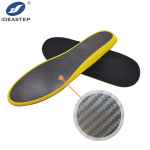
Sourcing diabetic insoles requires careful evaluation of materials, cushioning structure, product specifications, and manufacturing quality. For wholesalers, distributors, and private-label brands, the goal is to find products that meet market requirements and maintain consistent quality across bulk orders.
This guide covers the key factors to consider, from material selection and product construction to quality control, OEM/ODM capabilities, and supplier evaluation.
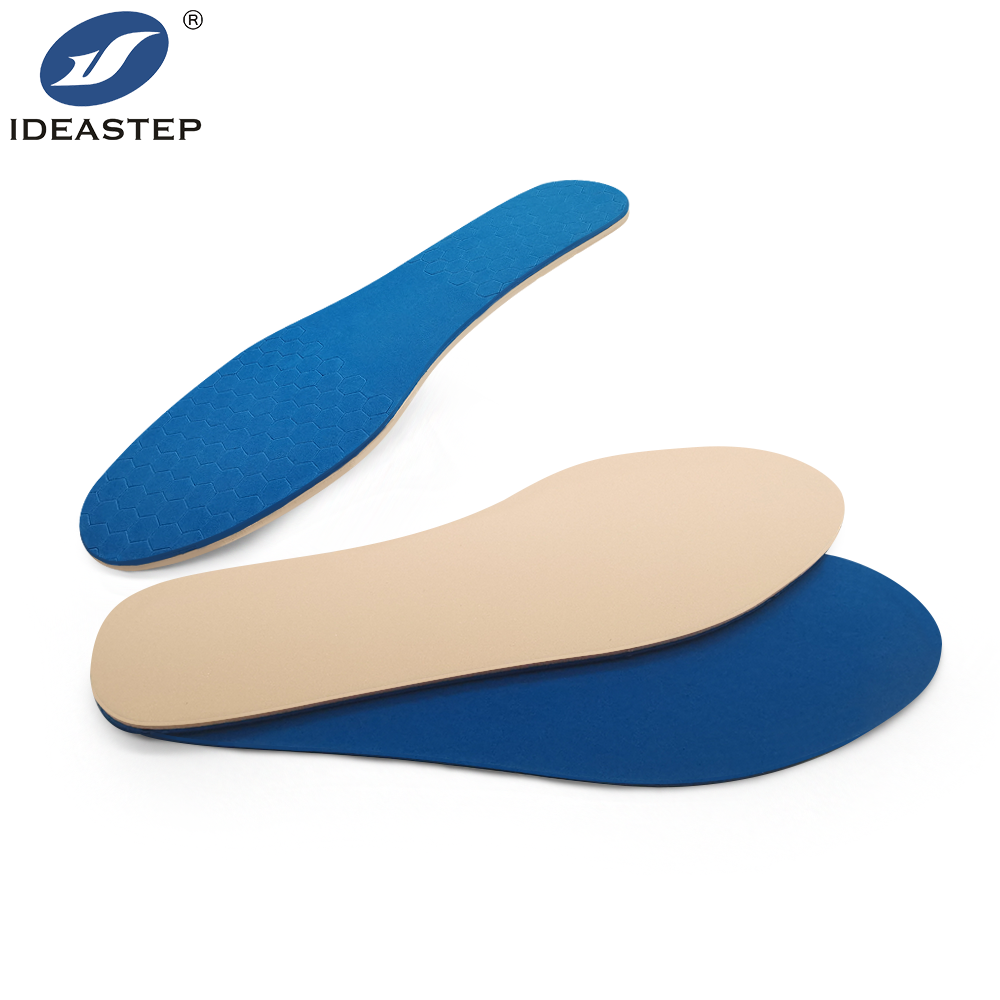
1. Define the Product Application and Market Requirements
Before requesting quotations, buyers should clarify the intended application, target market, and product positioning. These factors determine the required materials, construction, and customization options.
Common B2B buyers include:
- Foot care distributors: Source finished products for specialist distribution channels.
- Orthotic wholesalers: Require consistent specifications and reliable supply.
- Medical footwear manufacturers: Need compatible insole components for specific footwear designs.
- Private-label brands: Require customized products, logos, and packaging.
- Orthotic clinics and professional suppliers: May need products that meet defined technical specifications.
Buyers should distinguish between standard cushioning insoles, prefabricated orthotic products, and custom-made insoles, as each involves different design and production requirements.
2. Evaluate Cushioning and Material Performance
Material selection affects the cushioning, firmness, and compression characteristics of diabetic insoles. Buyers should evaluate density, hardness, thickness, and material recovery rather than focus on softness alone.
Common Cushioning Materials
- EVA: Lightweight and available in different densities and hardness levels.
- PU Foam: Offers versatile cushioning characteristics.
- Memory Foam: Provides a conforming surface for selected insole designs.
- PORON: A polyurethane-based material used in applications requiring specific compression and recovery properties.
The right combination depends on the product design, target price, and intended footwear.
Key Material Specifications
- Density: Influences material weight and compression characteristics.
- Hardness: Determines material firmness and should follow an agreed test method.
- Thickness: Affects cushioning volume and footwear compatibility.
- Compression performance: Indicates how materials respond to repeated loading.
For multi-layer insoles, specify each layer separately to support accurate production and repeat orders.
Cushioning and Pressure Distribution
Insole geometry, material properties, and footwear fit all influence plantar pressure distribution. Buyers should evaluate the complete construction rather than individual materials alone.
Products marketed with specific pressure-relief claims should have appropriate supporting test data. The IWGDF 2023 guidelines identify demonstrated plantar pressure-relieving effects as an important consideration for certain high-risk applications. General cushioning specifications alone do not establish clinical pressure-relief performance.
3. Check Top Cover Materials and Surface Construction
The top cover affects surface finish, wear characteristics, and overall product construction. Common options include:
- Microfiber: Available in different textures and finishes.
- Velvet Fabric: Provides a soft textile surface.
- Breathable Mesh: Features an open textile structure.
- PU Fabric: Offers a synthetic surface with various finishing options.
Buyers should consider surface durability, cleaning requirements, material compatibility, and bonding quality.
Surface and Bonding Quality
Finished insoles should have consistent surfaces without wrinkles, exposed adhesive, rough edges, or visible material separation. For multi-layer products, check:
- Bonding between the top cover and cushioning layer.
- Adhesion between material layers.
- Material alignment and edge finishing.
- Signs of bubbles or delamination.
4. Examine Insole Structure and Support Features
Insole structure affects product dimensions, footwear compatibility, and mechanical performance. Buyers should review the complete design and confirm that each feature matches the intended application.
Full-Length and Multi-Layer Construction
Full-length insoles extend from heel to forefoot and may use a single material or several layers. Key specifications include:
- Overall length, width, and thickness.
- Material arrangement and layer bonding.
- Thickness distribution.
- Finished profile and footwear compatibility.
Multi-layer construction allows manufacturers to combine different material properties within one product.
Heel Cup and Rearfoot Design
Some designs incorporate a shaped heel cup or additional rearfoot cushioning. Buyers should confirm the heel cup depth, contour, width, and material stiffness according to the product specification.
Arch and Forefoot Design
Arch profiles vary between products, from relatively flat cushioning bases to structured support designs. Buyers should check arch height, contour, and material stiffness.
The forefoot may also include additional cushioning or metatarsal modifications. These features should follow an approved drawing or technical specification.
5. Confirm Product Specifications Before Bulk Ordering
Clear specifications help prevent production errors and differences between approved samples and bulk orders.
| Specification | What Buyers Should Confirm |
|---|---|
| Size Range | Available sizes and regional sizing requirements |
| Material Composition | Exact materials used in each layer |
| Thickness | Overall thickness and regional measurements |
| Density and Hardness | Required values and measurement methods |
| Top Cover | Fabric type, color, and surface finish |
| Insole Structure | Layer arrangement and support features |
| Color and Logo | Color references and logo placement |
| Packaging | Labels, individual packaging, and cartons |
For multi-layer products, request a material breakdown for each layer. Buyers should also confirm whether trimming or further fitting is required after delivery.
6. Review Quality Control and Production Consistency
A sample confirms the initial design, but bulk orders require consistent material specifications and production standards. Buyers should understand how the manufacturer controls incoming materials and finished products.
Raw Material Inspection
Incoming material checks may cover:
- Material type and specifications.
- Thickness, density, and hardness.
- Surface condition and batch identification.
- Relevant supplier documentation.
Finished Product Inspection
Finished diabetic insoles should be checked against approved samples and specifications. Important inspection items include:
- Length, width, and thickness.
- Product shape and structural consistency.
- Surface finish and edge quality.
- Layer bonding and material alignment.
- Color, logo placement, and left-right pair matching.
Compression, flexing, and adhesion tests may also apply, depending on the product design. Buyers should confirm the test methods and acceptance criteria in advance.
Batch Consistency
A practical approval process includes:
- Confirm product drawings and material specifications.
- Approve a production sample.
- Establish inspection criteria before bulk manufacturing.
- Check finished products against the approved sample.
- Retain specifications for repeat orders.
7. Check OEM/ODM and Customization Capabilities
OEM/ODM services allow buyers to develop products that match their brand and market requirements. Customization may cover materials, construction, dimensions, branding, and packaging.
Material and Structure Customization
Depending on production capabilities, customization may include:
- EVA, PU foam, and memory foam combinations.
- Single-density or multi-density constructions.
- Thickness and hardness adjustments.
- Customized top covers and colors.
- Heel, arch, and forefoot design features.
- Product dimensions and size ranges.
Material compatibility should be reviewed during development, with the proposed construction confirmed through sample approval.
Private Label and Sample Approval
Private-label projects may involve logo printing, customized colors, product labels, and retail packaging. Buyers should provide clear artwork and packaging requirements.
Before bulk production, confirm the material composition, dimensions, surface finish, bonding quality, logo details, and packaging. Drawings and reference samples help manufacturers assess production feasibility.
8. Compare MOQ, Lead Time, and Wholesale Pricing
Commercial terms should be evaluated alongside product specifications. Comparing prices without confirming materials and construction can lead to inaccurate purchasing decisions.
Minimum Order Quantity and Lead Time
MOQ varies according to product structure, material availability, size range, and customization requirements. Production lead time may include material preparation, sample approval, manufacturing, inspection, and packaging.
Buyers should distinguish sample lead time from bulk production lead time and confirm whether special materials affect the schedule.
Wholesale Pricing Factors
Diabetic insole pricing generally depends on:
- Material type, density, and thickness.
- Number of layers and construction complexity.
- Product dimensions and size range.
- Top cover and finishing requirements.
- Logo, packaging, and order quantity.
When comparing quotations, ensure that all suppliers are quoting against equivalent specifications and delivery terms.
9. Evaluate the Diabetic Insoles Manufacturer
Supplier selection should consider manufacturing experience, product development, quality management, and long-term supply capability.
Manufacturing and Development Experience
Look for experience in orthotic insoles, cushioning materials, and multi-layer construction. A capable manufacturer should also be able to review drawings, reference samples, and technical specifications.
Quality Management and Production Capacity
Ask how the supplier controls incoming materials, production processes, and finished products. Confirm whether its production capacity can support your expected quantities, size ranges, and repeat orders.
Documentation and Market Requirements
Documentation should match the product and destination market. Depending on product classification and intended claims, buyers may need material specifications, test reports, declarations, or other regulatory documents.
The term “diabetic insole” does not automatically establish medical device status. Classification depends on intended purpose, product claims, and applicable market regulations. Buyers should verify these requirements before importing or marketing the product.
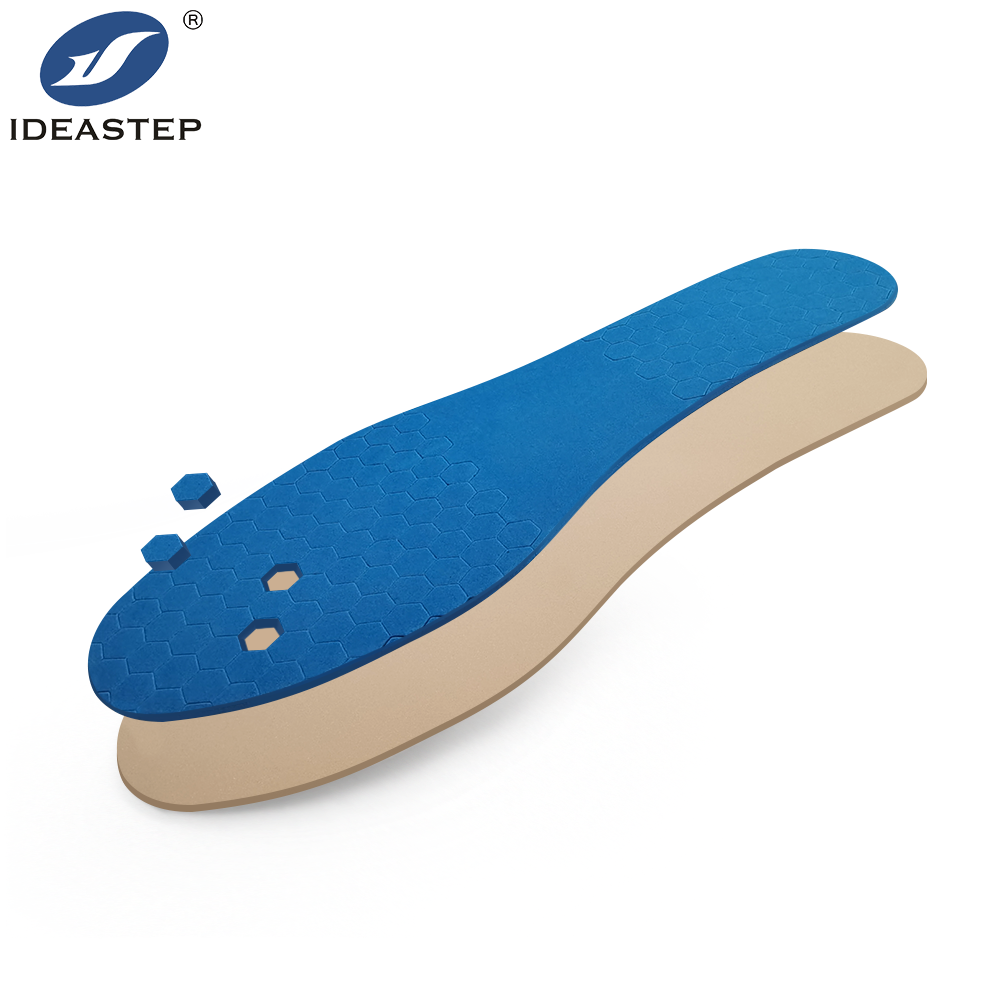
10. Diabetic Insoles Wholesale and Custom Manufacturing from Ideastep
Ideastep supplies orthotic insoles and related foot care products to wholesalers, distributors, and brands. For diabetic insole projects, material selection and product construction should follow the buyer’s intended application and technical requirements.
Material Options and Custom Specifications
Depending on the design, diabetic insoles may use EVA, PU foam, memory foam, and textile top covers. OEM/ODM customization can cover:
- Material combinations and density configurations.
- Insole thickness and dimensions.
- Top cover materials and colors.
- Heel, arch, and forefoot construction.
- Size range, logo, and packaging.
Final specifications should be confirmed through sample approval before mass production.
OEM/ODM Wholesale Support
Ideastep works with buyers who provide product drawings, reference samples, or defined technical requirements. These details help clarify material selection, production feasibility, MOQ, and lead time.
For an accurate quotation, provide the intended application, preferred materials, required sizes, estimated quantity, and branding or packaging requirements.
11. Wholesale Buyer’s Checklist Before Placing an Order
Use this checklist to confirm the main requirements before approving a bulk order.
| Evaluation Item | What Buyers Should Confirm |
|---|---|
| Product Application | Target market and intended use |
| Material Selection | Exact materials and layer specifications |
| Cushioning Design | Thickness, density, hardness, and compression requirements |
| Insole Structure | Heel cup, arch profile, and forefoot design |
| Product Specifications | Size range, dimensions, and color |
| Quality Control | Inspection procedures and test methods |
| Customization | Materials, logo, labels, and packaging |
| Sample Approval | Approved sample and written specifications |
| Commercial Terms | MOQ, lead time, pricing, and delivery terms |
| Supplier Capability | Manufacturing experience and repeat-order support |
12. Frequently Asked Questions About Wholesale Diabetic Insoles
What Materials Are Commonly Used in Diabetic Insoles?
Common materials include EVA, PU foam, memory foam, and textile top covers. The final combination depends on cushioning requirements, product dimensions, footwear compatibility, and construction specifications.
Can Diabetic Insoles Be Customized for Wholesale Orders?
Yes. Customization may include material combinations, density, thickness, top cover, size range, color, logo, and packaging. Buyers should confirm the final specifications through sample approval.
What Should Buyers Check Before Ordering in Bulk?
Review material composition, thickness, density, hardness, product structure, and size range. Also confirm quality control procedures, sample approval, MOQ, lead time, and packaging.
What Is the Difference Between Standard and Custom Diabetic Insoles?
Standard products use predefined sizes and constructions. Custom products may involve specific dimensions, material combinations, or structural features based on the buyer’s technical requirements.
How Can Buyers Evaluate a Diabetic Insoles Manufacturer?
Assess manufacturing experience, material options, development capabilities, quality control, and production capacity. Also verify relevant documentation and destination-market requirements.
Request a Wholesale Quote for Diabetic Insoles
Clear product specifications help buyers compare suppliers, approve samples, and maintain consistency across wholesale orders.
Ideastep supports orthotic insole supply and customized product projects. To discuss diabetic insoles for wholesale distribution or private-label development, provide your intended application, preferred materials, size range, estimated quantity, and branding requirements.
Contact Ideastep to discuss your diabetic insole wholesale or OEM/ODM requirements.
Related Reading:
Custom vs Off‑the‑Shelf Diabetic Insoles: Which Fits Your B2B Project
Diabetic Insoles For Men Critical Product Checks For Wholesale Foot Care Buyers