Private label manufacturing allows footcare brands to develop and sell orthotic insoles under their own names without operating their own production facilities. For growing businesses, this model provides access to established manufacturing processes while allowing control over product specifications, branding, and packaging.
However, successful private label development requires more than selecting an existing product and adding a logo. Material selection, shell construction, size grading, production consistency, and quality control all affect the final product. Brands should define these requirements before sampling to avoid unnecessary revisions and production delays.
Why Footcare Brands Choose Private Label Manufacturing
Private label production gives brands a practical way to establish or expand an orthotic insole range. Instead of investing in manufacturing equipment and production facilities, buyers can work with an established supplier to develop products based on their market requirements.
Control Product Specifications and Branding
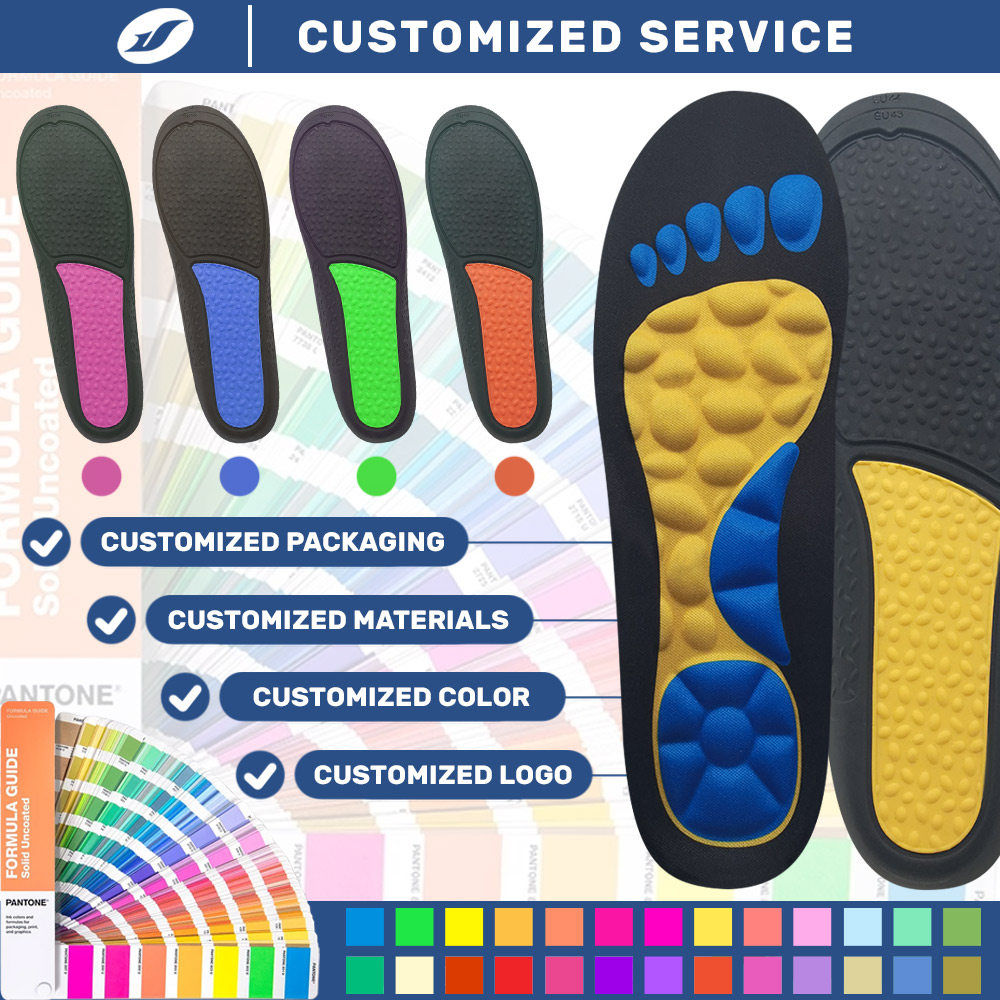
Brands can select materials, structural configurations, top covers, colors, and packaging according to their product positioning. Depending on the project, manufacturers may also adjust shell geometry, thickness, arch profiles, and heel cup dimensions.
This flexibility helps businesses develop a consistent product range rather than relying entirely on standard catalog designs.
Expand Product Categories
A private label range can start with a small number of core models and expand as market demand becomes clearer. Common categories include everyday orthotic insoles, work insoles, sports insoles, heat-moldable designs, and cushioning-focused constructions.
Developing products in stages also makes inventory planning more manageable. Brands can evaluate sales performance before introducing additional sizes, materials, or models.
Access Established Manufacturing Capabilities
An experienced manufacturer can provide access to material sourcing, production equipment, technical development, and quality inspection. This reduces the need for brands to build these capabilities internally.
Supplier evaluation should therefore cover more than quotation price. Technical experience, sample accuracy, production capacity, and communication are equally important when establishing a long-term partnership.
Define the Product Range Before Development
Before requesting samples, brands should identify the target market, product application, expected price range, and required construction. A clear product brief helps the manufacturer assess feasibility and recommend suitable materials.
Identify Product Applications
Different market segments require different insole constructions. For example:
- Everyday orthotic insoles: Defined arch profiles, heel cup structures, and suitable cushioning layers.
- Work and safety insoles: Material durability, footwear space, cushioning construction, and compatibility with work shoes.
- Sports insoles: Appropriate structural components and cushioning materials for specific footwear applications.
- Heat-moldable insoles: Thermoformable materials and clearly specified forming conditions.
- Custom orthotic constructions: Specific shell geometries, dimensions, and material combinations.
These categories should have separate technical specifications. A construction suitable for everyday footwear may not meet the thickness, flexibility, or structural requirements of a work or sports model.
Confirm the Insole Construction
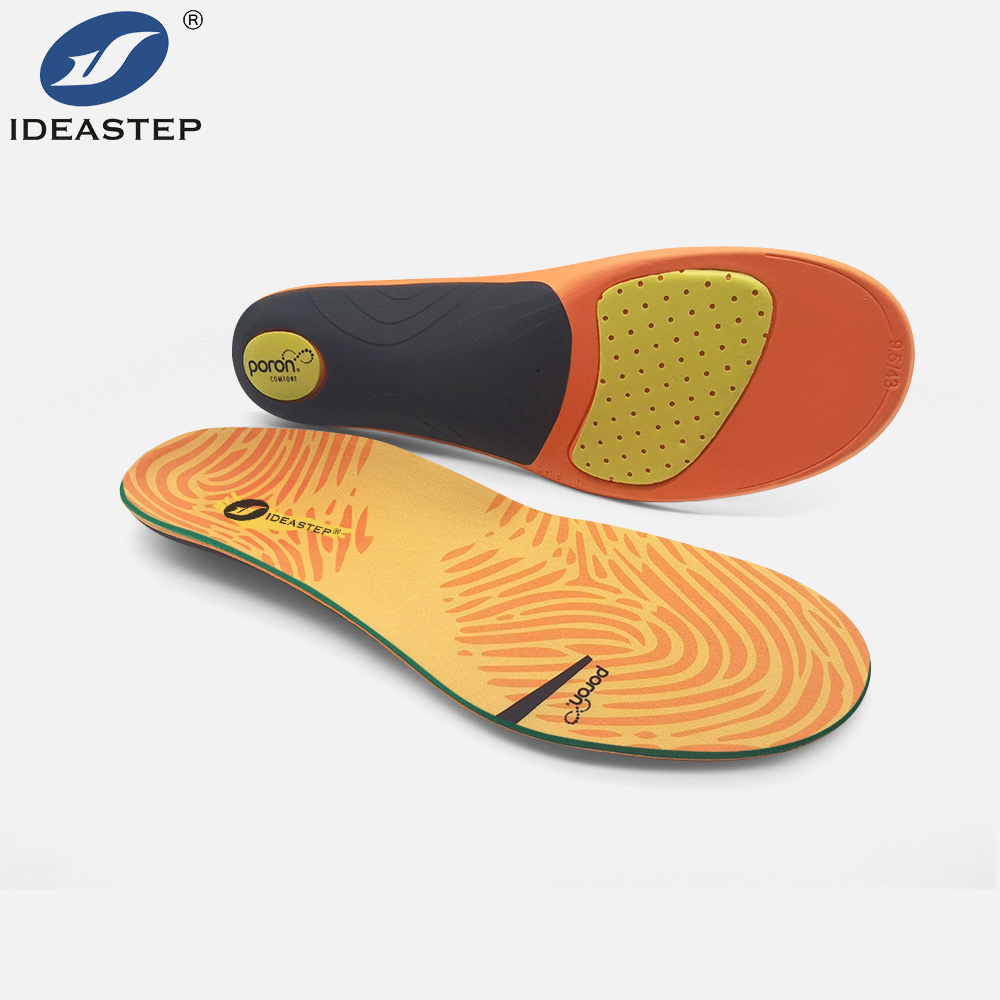
Many orthotic insoles combine a structural shell, cushioning layer, and top cover. The shell may use PP or TPU, while EVA, PU foam, or PORON can be incorporated into selected cushioning areas. Microfiber, mesh, and other textile materials are common top cover options.
Material thickness and component compatibility should be evaluated as a complete construction. In particular, the total insole profile must fit the intended footwear without compromising the specified structure.
Material Selection for Private Label Orthotic Insoles
Material selection affects product weight, flexibility, cushioning characteristics, processing methods, and manufacturing cost. The choice should follow the required construction rather than material popularity alone.
| Material | Key Characteristics | Typical Application |
|---|---|---|
| EVA | Lightweight, available in different densities and hardness levels | Base layers, cushioning sections, and wedges |
| PU Foam | Flexible cushioning material with different formulation options | Cushioning layers and insole bases |
| PP | Relatively rigid and suitable for thermoforming | Structural orthotic shells |
| TPU | Available in different hardness and flexibility grades | Selected structural components and 3D printed designs |
| PORON | Resilient cushioning material | Localized cushioning areas |
| Memory Foam | Compressible material that responds to applied pressure | Cushioning layers |
| Microfiber and Mesh | Different surface textures and finishing options | Insole top covers |
Balance Material Performance and Cost
Material decisions should account for technical requirements, target pricing, and supply stability. For example, different EVA densities can be used to adjust the construction, while PP and TPU offer options for structural components.
Buyers should also confirm material availability and consistency before finalizing a product. Changes in material grade or thickness can affect the finished product, even when the overall design remains unchanged.
Customization Options Beyond Logo Printing
Private label development can cover both product construction and brand presentation. The available options depend on the selected model, production process, and order quantity.
Product and Structural Customization
- Material type, density, and hardness
- Shell material, thickness, and geometry
- Arch profile and heel cup dimensions
- Insole length, size range, and overall thickness
- Cushioning layers and top cover materials
- Product color and surface finish
Structural changes should be reviewed as part of the complete design. For instance, changing shell thickness may affect rigidity, total profile, and footwear compatibility. These details should be confirmed during sample development.
Logo and Packaging Customization
Branding options may include logo printing, labels, product cards, retail boxes, and customized packaging. Buyers should provide clear artwork files and confirm logo placement, colors, packaging dimensions, and labeling details before production.
For products distributed across different markets, labeling and packaging information should also be checked against applicable local requirements.
OEM and ODM Manufacturing Approaches
The choice between OEM and ODM depends on the buyer’s existing product specifications and the level of development support required.
OEM Manufacturing
OEM production is suitable for brands with established designs, technical drawings, approved samples, or detailed product specifications. The manufacturer produces according to the agreed requirements.
This approach provides direct control over product details. Accurate drawings and documented specifications are important to maintain consistency during production.
ODM Development
ODM is suitable for buyers who need assistance with product selection, material combinations, structural design, or sample development. The manufacturer can recommend existing configurations and evaluate possible adjustments.
Some projects combine both approaches. Buyers may begin with an existing design and then customize its materials, dimensions, top cover, or branding.
Private Label Orthotic Insole Development Process
A defined development process helps control revisions and ensures that both parties work from the same specifications.
1. Submit Product Requirements
Provide the intended application, target market, material preferences, size range, estimated order quantity, and branding requirements. Technical drawings or reference samples can help clarify the design.
2. Confirm Materials and Construction
Review the proposed materials, shell structure, cushioning layers, top cover, dimensions, and manufacturing method. Any requirements that affect tooling, processing, or cost should be discussed at this stage.
3. Develop and Approve Samples
Evaluate samples against the agreed specifications. Check dimensions, material selection, workmanship, surface finish, and component assembly. Record requested changes and confirm the final sample before bulk production.
4. Confirm Production Details
Before placing an order, confirm MOQ, unit price, production lead time, packaging, payment terms, inspection requirements, and delivery arrangements. The approved sample and technical specifications should serve as the production reference.
5. Inspect Bulk Production
Finished products should be checked against the approved sample and agreed requirements. Inspection points may include dimensions, material consistency, bonding, surface finish, logo placement, and packaging.
For repeat orders, maintain the same approved specifications and document any changes before production begins.
How to Evaluate a Private Label Orthotic Insole Manufacturer
A suitable manufacturer should be able to support the product’s technical requirements as well as its commercial needs. Buyers should evaluate the following areas before selecting a supplier.
Technical and Manufacturing Capabilities
Check whether the supplier has experience with the required materials and production methods. Relevant capabilities may include PP and TPU shell processing, EVA molding or milling, cushioning material combinations, top cover bonding, and customized insole construction.
Sample Accuracy and Quality Control
Review whether the sample matches the agreed design. Ask about incoming material inspection, in-process checks, finished product inspection, and procedures for handling production deviations.
A clear inspection process is essential for maintaining consistency across different sizes and repeat orders.
MOQ and Production Lead Time
MOQ and lead time affect inventory planning and product launch schedules. Confirm whether minimum quantities apply separately to different models, sizes, colors, or packaging options.
Also distinguish sample development time from bulk production time. Custom materials, tooling, and packaging may require additional preparation.
Documentation and Market Requirements
Request relevant material reports, test records, and certification documents when required. Verify that each document applies to the actual material or product and is suitable for the intended destination market.
Factory certifications should not be treated as automatic proof that every finished product meets all market-specific requirements.
Common Mistakes in Private Label Projects
Several avoidable issues can increase development costs or delay production:
- Choosing solely on price: A low quotation may exclude required materials, packaging, or inspection procedures.
- Incomplete specifications: Missing dimensions, material details, or size requirements can lead to repeated revisions.
- Too many initial models: Launching excessive variations can increase inventory and purchasing complexity.
- Ignoring total thickness: Shells, cushioning layers, and top covers must be assessed together.
- Skipping sample approval: Bulk production should follow an approved sample and documented specifications.
- Overlooking packaging details: Unconfirmed artwork, labels, or dimensions can cause avoidable delays.
Private Label Orthotic Insole Manufacturing with Ideastep
Ideastep provides orthotic insole manufacturing and OEM/ODM services for footcare brands, wholesalers, distributors, and footwear-related businesses. The company has manufacturing experience dating back to 1989.
Manufacturing options cover EVA materials, PP and TPU structural components, cushioning combinations, and customized top covers. Product development can be based on technical drawings, reference samples, existing models, or buyer specifications.
Private label project support includes:
- Product selection: Evaluation of suitable models and construction options.
- Material customization: EVA, PU foam, PP, TPU, PORON, memory foam, and textile options, subject to product requirements.
- Structural customization: Shell geometry, arch profile, heel cup, thickness, and product dimensions.
- Branding: Logo, color, label, and packaging options.
- Sample development: Sample evaluation and specification confirmation before bulk production.
- Wholesale production: Manufacturing based on confirmed specifications, quantities, and delivery requirements.
Buyers can submit product drawings, reference samples, or an initial concept for technical evaluation and quotation.
Frequently Asked Questions
What are private label orthotic insoles?
Private label orthotic insoles are products manufactured by a supplier and sold under the buyer’s brand. Depending on the agreement, buyers can customize materials, construction, logo, packaging, and selected product specifications.
Can I start with an existing insole design?
Yes. Starting with an existing model can reduce development work. Buyers can select a suitable construction and discuss adjustments to materials, dimensions, top covers, colors, or branding.
What is the difference between OEM and ODM orthotic insoles?
OEM production follows the buyer’s design or technical specifications. ODM development includes manufacturer support with product selection, design, and customization. Both approaches can be combined within one project.
What information is required for a quotation?
Provide the product type, material requirements, size range, estimated quantity, customization details, logo artwork, packaging requirements, and delivery destination. Drawings or reference samples help the manufacturer assess the project more accurately.
Can multiple insole models use the same packaging design?
Yes, a consistent packaging design can often be used across several models. However, product labels, size information, material details, and market-specific information should be checked for each model.
Develop Your Private Label Orthotic Insole Range
Successful private label development depends on clear specifications, suitable materials, controlled sampling, and consistent production. Choosing a manufacturer with the right technical capabilities can help footcare brands build a focused product range and manage future wholesale orders.
Ideastep supports private label orthotic insole projects through material selection, structural customization, sample development, and OEM/ODM manufacturing.
Contact Ideastep to discuss your product requirements.
Related Articles: Private Label Orthotic Insoles Supplier for Footwear Brands & Retailers.