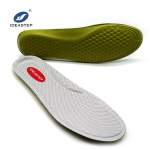
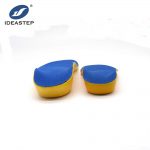
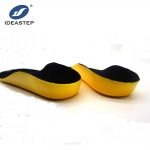
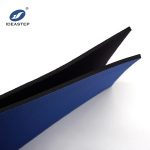
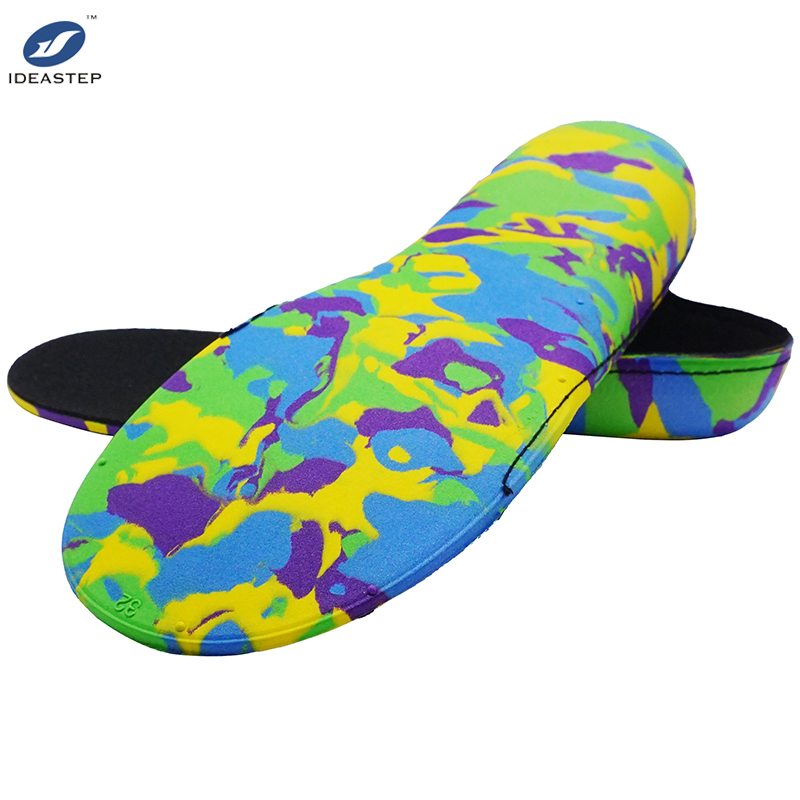
A custom made shoe insole is not simply a shaped layer of foam. Its performance depends on how material properties, structural design, and manufacturing methods work together.
For footwear brands, orthotic product distributors, and wholesale buyers, these factors influence product quality, production consistency, and customization options. Two insoles with a similar appearance can perform differently because of variations in material density, hardness, thickness, or support geometry.
Effective product development therefore requires more than choosing a suitable material. Manufacturers must consider the intended application, construction, and production process from the beginning.
1. Start with the Intended Application
The design of a custom insole should reflect the footwear category and its technical requirements. Everyday shoes, sports footwear, safety shoes, and functional orthotic products all have different demands.
- Everyday footwear insoles generally require a balance of cushioning, flexibility, and low-profile construction.
- Sports insoles may need better impact cushioning, controlled deformation, and structural stability.
- Functional orthotic insoles place greater emphasis on arch geometry, heel positioning, and support structure.
- Safety footwear insoles must account for durability, available shoe volume, and compatibility with the footwear construction.
These differences affect material selection, thickness, geometry, and layer construction. Defining the application early also helps avoid unnecessary features that increase production costs without improving the product.
2. How Materials Affect Insole Performance
Material selection determines how an insole compresses, recovers, flexes, and maintains its shape. Each material has different characteristics, so the choice should reflect the intended construction rather than rely on general material descriptions.
EVA Foam
EVA is widely used in custom made shoe insoles because of its low weight, flexibility, and adjustable hardness.
Different EVA grades can serve different purposes. Softer materials are suitable for cushioning layers, while firmer grades can provide a more stable foundation. EVA also supports various processing methods, including compression molding, CNC milling, and die cutting.
Density, hardness, thickness, and compression recovery should be evaluated together when selecting an EVA grade.
PU and PORON
Polyurethane (PU) offers different levels of cushioning, flexibility, and resilience depending on its formulation and density. It can be used in full-length constructions or combined with other materials.
PORON polyurethane materials are commonly used in selected cushioning zones, such as the heel and forefoot. Their placement and thickness need to match the overall construction to avoid unnecessary changes in the insole profile.
TPU
Thermoplastic polyurethane (TPU) combines flexibility and toughness. It can serve as a reinforcement component in multi-material insole designs.
Its thickness, shape, and position influence the finished structure. Manufacturers should also consider bonding compatibility with adjacent materials to maintain assembly quality.
Polypropylene (PP)
Polypropylene is commonly used in orthotic shells and structural components that require greater rigidity and shape stability.
Its forming conditions, thickness, and geometry affect the finished component. PP serves a different purpose from flexible foam materials and should be selected according to the required support structure.
3. Structural Design Determines How Materials Work
Material properties establish the physical characteristics of an insole. Structural design determines how those properties are distributed across the product.
Arch Geometry
Arch height, length, contour, and position influence the fit and support characteristics of an insole. Even small design changes can affect the contact area and overall structure.
Manufacturers should consider the target size range, footwear profile, material hardness, and intended support level when developing the arch.
Heel Cup Design
The depth, width, and contour of a heel cup affect rearfoot fit and the space required inside the shoe.
A deeper design may need more internal footwear volume, while a shallower profile may suit shoes with limited space. The final geometry should balance structural requirements with footwear compatibility.
Forefoot Flexibility and Thickness
The forefoot section needs to work with the bending characteristics of the footwear. Excessive thickness or rigidity may restrict flexibility, while insufficient structural strength may not meet the product’s requirements.
Material hardness, thickness, and layer construction can be adjusted to achieve the intended balance.
Posting and Additional Components
Medial or lateral posting, metatarsal pads, and other shaped components can be added where the design requires them.
Their position, height, and material properties should be established during development. Each component needs a clear structural purpose rather than being added simply to make the design more complex.
4. Managing Multi-Material Construction
Many custom made shoe insoles combine several materials to achieve a balance that a single material cannot provide.
A typical construction may include an EVA base, PU or PORON cushioning zones, TPU reinforcement, and a fabric or microfiber top cover.
However, combining materials introduces several production considerations:
- Layer compatibility: Materials may respond differently to heat, pressure, and adhesives. The bonding process must suit the selected combination.
- Thickness control: Each additional layer changes the overall profile and available space inside the footwear.
- Assembly consistency: Layer alignment, adhesive coverage, and material variation can affect the finished product.
A multi-material insole should be evaluated as one integrated structure. Changes to a single layer can influence the fit, flexibility, and stability of the entire construction.
5. Choosing the Right Manufacturing Process
The manufacturing method affects dimensional accuracy, surface quality, and production efficiency. It should match the material, geometry, and expected order volume.
Compression Molding
Compression molding uses heat and pressure to form suitable materials inside a mold. Temperature, pressure, processing time, and mold design all influence the finished dimensions and material characteristics.
Thermoforming
Thermoforming shapes suitable thermoplastic sheets through controlled heating and forming. It is commonly used for PP orthotic shells, where mold geometry and forming conditions determine the final shape.
CNC Milling
CNC milling removes material from a block or preformed blank to produce specific contours. It is useful for custom geometry, prototype development, and structural adjustments.
Die Cutting and Layer Assembly
Die cutting produces consistent component shapes from sheet materials. For multi-layer products, the components are then bonded or assembled. Alignment, adhesive application, and thickness control are important at this stage.
The process should be selected according to the material and product design, rather than relying on a single method for every project.
6. What Wholesale Buyers Should Check
For wholesale buyers, product performance is only one part of supplier evaluation. Material consistency, production repeatability, and specification control are equally important.
| Evaluation Area | Key Details |
|---|---|
| Material specifications | Type, density, hardness, thickness, and available reports |
| Structural dimensions | Arch height, heel cup depth, length, and component position |
| Manufacturing process | Suitability for the material and product design |
| Quality consistency | Dimensional tolerances, bonding, and batch variation |
| Customization | Sizes, colors, materials, logos, and structural adjustments |
| Packaging | Bulk packaging, retail packaging, and private-label options |
Sample evaluation is recommended before mass production. Buyers can check the actual materials, dimensions, construction quality, and compatibility with the target footwear.
Once the sample is approved, both parties should confirm the technical specifications and quality requirements. This provides a clear reference for subsequent production batches.
7. OEM and ODM Development
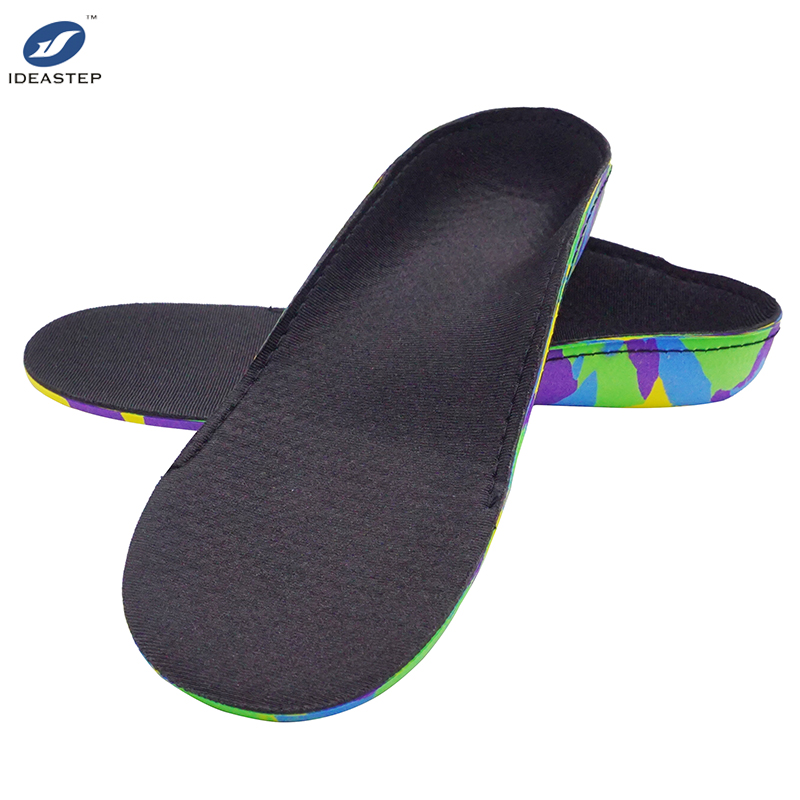
OEM and ODM projects may involve more than logo or color changes. Customization can include material combinations, structural dimensions, surface fabrics, and manufacturing methods.
In an OEM project, buyers usually provide an existing sample, drawing, or technical specification. The manufacturer develops the production process around those requirements.
In an ODM project, the manufacturer contributes more to product development, working from an application, product concept, reference sample, or target price range.
A typical development process includes:
- Requirement review: Confirm the application, footwear type, size range, and product positioning.
- Material selection: Identify suitable materials based on cushioning, flexibility, support, and production needs.
- Structural development: Define the arch profile, heel geometry, thickness, and additional components.
- Sample production: Produce prototypes for dimensional and construction evaluation.
- Design adjustment: Refine the sample according to agreed requirements.
- Production confirmation: Finalize specifications, packaging, quality standards, and order details.
Early coordination between the buyer and manufacturer helps reduce unnecessary revisions and improves production readiness.
8. Working with a Custom Insole Manufacturer
A reliable manufacturer should understand how material properties, structural design, and manufacturing processes interact. This is particularly important for projects involving multiple materials or customized support structures.
Ideastep, operated by Xiamen KON Technology Co., Ltd., has been involved in the foot-care and insole industry since 1989. Its manufacturing capabilities include EVA processing, CNC machining, 3D printing, and customized insole development.
For footwear brands and wholesale buyers, cooperation options include OEM and ODM development, material selection, structural adjustments, and private-label packaging.
Projects can begin with an existing sample, technical drawing, or product application requirement. This allows the development team to assess the proposed construction and identify suitable manufacturing options.
Conclusion
Custom made shoe insole performance depends on the relationship between material properties, structural design, and manufacturing methods. Materials determine how the product responds to pressure and movement, while geometry controls how those properties work across the insole.
For wholesale buyers and product developers, evaluating these factors together provides a stronger basis for product quality and production consistency. A clearly defined application, suitable material combination, and well-controlled manufacturing process are essential to successful custom insole development.
Related Articles: What properties are needed in custom made shoe insoles raw materials?.