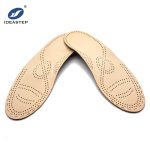
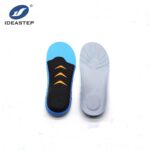
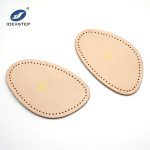
Soft orthotics rely on flexible materials and carefully developed structures to provide cushioning while maintaining sufficient support. Their performance is influenced by material density, hardness, compression recovery, thickness, and layer construction.
For insole manufacturers and wholesale buyers, material selection involves more than choosing a soft foam. A low-density material may offer greater initial flexibility but lack the required resistance to repeated compression. A firmer material may improve structural stability but change the cushioning characteristics of the finished product.
The key is to match material properties with the intended application and construction. This requires a clear understanding of how density, cushioning, and structural design work together.
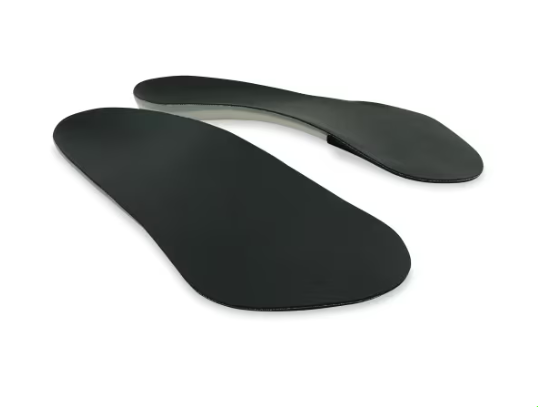
1. Key Design Considerations for Soft Orthotics
Unlike rigid orthotic designs that rely heavily on structural shells, soft orthotics generally use flexible foam materials or multi-layer constructions.
Their specifications vary according to product requirements, including:
- Material density and hardness
- Compression response and recovery
- Overall thickness and layer distribution
- Arch contour and heel cup geometry
- Bonding compatibility between materials
These factors need to be evaluated together. A soft material alone does not determine the performance or structural suitability of an orthotic insole.
2. How Material Density Affects Insole Performance
Material density influences weight, compression behavior, and the physical characteristics of foam components. However, density and hardness are not interchangeable. Density measures mass per unit volume, while hardness indicates resistance to indentation.
Two materials with similar density may behave differently because of variations in formulation and cellular structure.
Low-Density Materials
Low-density foams are generally lightweight and offer a softer initial response. They can be used in cushioning layers where flexibility and reduced weight are important.
However, compression recovery and long-term deformation require careful evaluation, particularly when low-density foam serves as the main base material.
Medium-Density Materials
Medium-density materials offer a balance between cushioning and resistance to compression. They are commonly used in full-length insole bases and layered constructions where flexibility and dimensional stability are both required.
Their suitability depends on the material formulation, hardness, and intended product structure.
High-Density Materials
Higher-density materials generally provide greater resistance to deformation, although actual performance also depends on hardness and formulation.
They may be used in firmer base layers or selected support areas within a multi-density construction.
The objective is not to select the highest available density, but to identify a material that maintains the required balance between compression response, shape retention, and flexibility.
3. Common Materials Used in Soft Orthotics
Material selection should reflect the intended construction, processing method, and required mechanical properties.
EVA Foam
EVA is widely used in insole manufacturing because of its low weight, flexibility, and availability in different densities and hardness levels.
It can serve as a full-length base or as one layer in a multi-density construction. Thickness and hardness can be adjusted according to the product specification.
EVA is also compatible with several manufacturing methods, including compression molding, CNC milling, and die cutting.
Polyurethane (PU)
PU offers a range of cushioning, flexibility, and resilience characteristics depending on its formulation.
It can be used in full-length constructions or selected cushioning zones. Buyers should evaluate actual density, hardness, and compression behavior rather than relying on the material name alone.
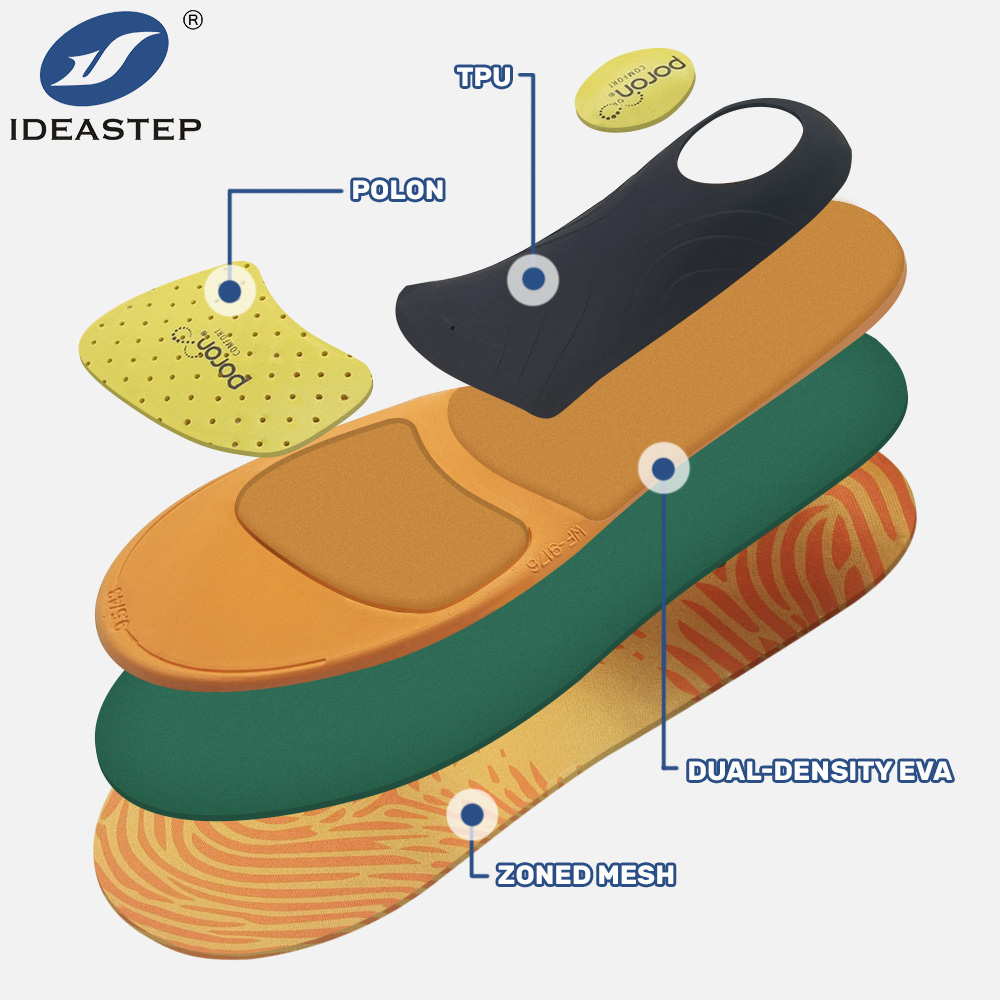
PORON
PORON polyurethane materials are commonly used in localized cushioning components, particularly in heel and forefoot sections.
Their thickness and placement should be coordinated with surrounding materials to maintain the intended insole profile and overall construction.
Memory Foam
Memory foam is used in some soft orthotic constructions because of its pressure-responsive compression characteristics.
Its formulation and thickness influence compression recovery and dimensional stability. These properties should be assessed when determining whether it is suitable for a specific product structure.
4. Cushioning Structures and Layer Distribution
Material properties determine how individual components respond to pressure, while structural design controls how cushioning is distributed across the insole.
Full-Length Cushioning
A full-length cushioning layer provides a consistent material construction across the insole. This approach can simplify production and is suitable for designs requiring a uniform cushioning profile.
Material density and thickness still need to be controlled to maintain consistent dimensions and compression characteristics.
Zoned Cushioning
Zoned cushioning uses different materials or thicknesses in selected areas, such as the heel and forefoot.
For example, a firmer EVA base can be combined with softer PU or PORON components. This creates different compression characteristics across the insole without changing the entire base construction.
The position and dimensions of each cushioning zone should be established during product development.
Multi-Density Construction
Multi-density designs combine materials with different hardness levels or densities.
A firmer base can maintain the overall structure, while softer layers provide localized cushioning. This approach offers greater flexibility in product development but requires additional control over bonding, alignment, and finished thickness.
Each layer should be evaluated as part of the complete construction rather than as an independent component.
5. Structural Features in Soft Orthotic Design
Flexible materials still require carefully developed geometry to maintain the intended product profile.
Arch contour: Arch height, length, and shape influence the insole structure. Material selection should account for potential deformation under repeated loading.
Heel cup: Its depth, width, and contour affect rearfoot geometry and the space required inside the footwear. The design should remain compatible with the target shoe profile.
Top cover: Fabric, microfiber, and other surface materials affect the finished construction. Thickness and bonding compatibility should be considered when selecting the top layer.
Forefoot thickness: The forefoot section needs to remain compatible with footwear bending characteristics. Excessive thickness may affect overall flexibility and product dimensions.
These structural elements should be developed alongside the material specification, particularly in multi-layer constructions.
6. Manufacturing Processes and Quality Control
Soft orthotic production requires consistent control of material properties and finished dimensions. Variations in density, thickness, or compression characteristics can affect the final construction.
Common manufacturing processes include:
- Compression molding: Forms suitable foam materials under controlled heat and pressure. Mold design and processing conditions influence the finished dimensions.
- CNC milling: Removes material from a block or preformed blank to create specified contours and customized geometry.
- Die cutting: Produces consistent component shapes from foam sheets and other sheet materials.
- Lamination: Bonds different material layers to create multi-material constructions. Adhesive selection and application need to suit the materials involved.
Quality inspection should cover material density, hardness, thickness, dimensional tolerances, bonding quality, and compression recovery where relevant.
For wholesale production, the approved sample and technical specification should serve as the reference for subsequent batches. This helps maintain consistency between prototype approval and mass production.
7. Material Selection for OEM and ODM Projects
Soft orthotic customization may involve adjustments to material density, cushioning zones, arch contours, top covers, and layer combinations.
In OEM projects, buyers generally provide an existing sample, technical drawing, or product specification. The manufacturer develops the production process according to the agreed requirements.
ODM projects involve greater manufacturer input, including material recommendations, structural development, and prototype production.
Before confirming a design, both parties should establish:
- Target application and footwear category
- Material types, density, and hardness ranges
- Overall thickness and dimensional specifications
- Cushioning zones and structural features
- Surface materials and packaging requirements
- Sample approval and quality inspection standards
Clear technical specifications make material evaluation more efficient and provide a consistent reference for production.
Conclusion
Soft orthotic performance depends on the relationship between material density, compression characteristics, cushioning distribution, and structural geometry.
For manufacturers and wholesale buyers, these factors should be evaluated as one integrated construction. Selecting suitable materials and controlling thickness, bonding, and production tolerances are essential to maintaining consistent product specifications across manufacturing batches.
Related Articles: Soft Arch Support Insoles: Comfortable Arch Support for Daily and Light Activity Footwear.