3D printing has expanded the design options available to insole manufacturers, particularly in the development of structured support bases and hybrid material constructions. By combining printed components with textile coverings and cushioning materials, manufacturers can create insoles with different structural and functional characteristics.
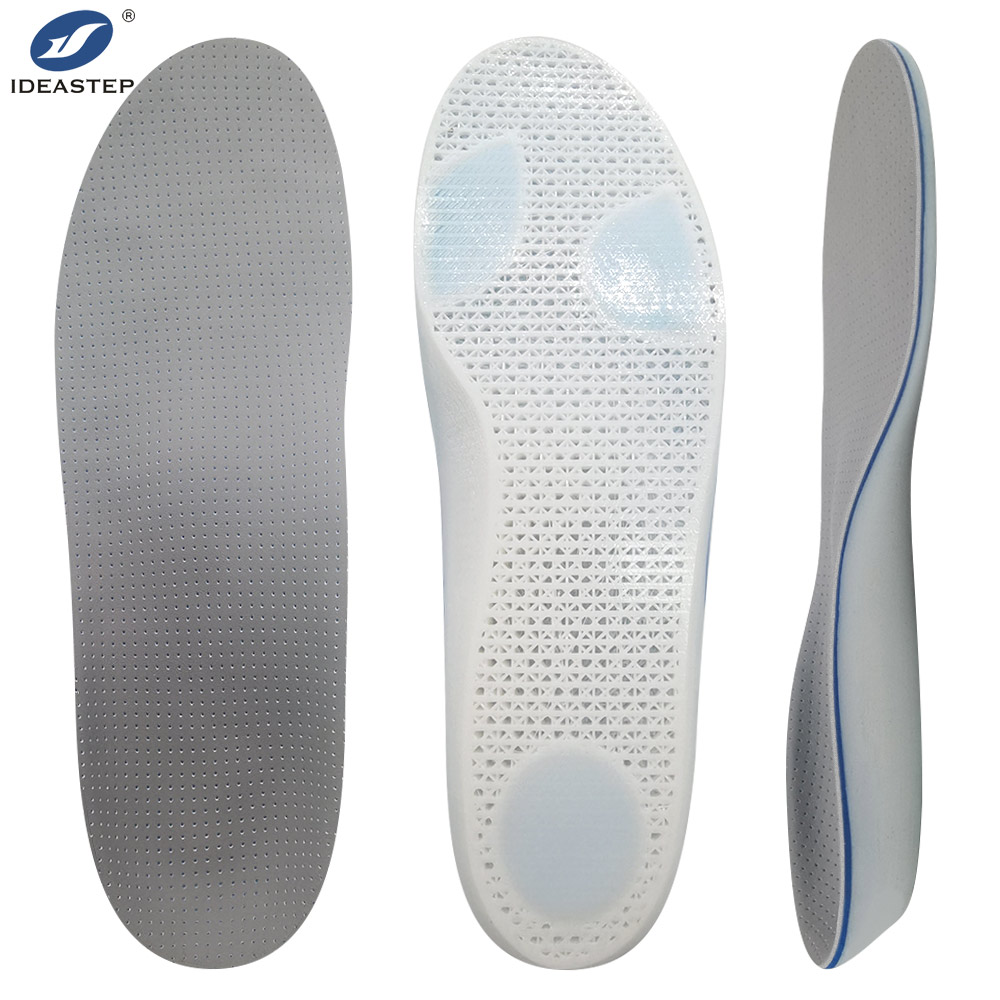
The IDEASTEP 3D-16 Hybrid Cushioning Insole features a three-layer construction: a velvet top layer, an integrated mid-sole cushioning pad, and a 3D-printed TPU mesh support base. Each component serves a specific role, combining surface finishing, cushioning, and structural support in one product.
For footwear brands, insole manufacturers, and wholesale buyers, this design demonstrates how 3D printing can be integrated with conventional insole materials.
Understanding Multi-Layer Construction in 3D Printed Insoles
Multi-layer insoles combine materials with different properties to meet specific product requirements. Instead of relying on one material for the entire structure, manufacturers assign separate roles to the surface, cushioning layer, and support base.
This approach provides flexibility in material selection and product development. However, layer compatibility, bonding, and overall construction must be considered during manufacturing.
Surface Layer
The top layer forms the insole’s contact surface and contributes to its texture and appearance. Material selection depends on the footwear category and product requirements. The 3D-16 uses velvet as its top covering, providing a soft textile surface and a distinctive finish.
Cushioning Layer
The middle layer contributes to impact cushioning and pressure distribution. Its material characteristics, thickness, and placement affect how it works with the upper covering and lower support structure. In the 3D-16, an integrated cushioning pad sits between the velvet surface and TPU mesh base.
3D Printed Support Base
The bottom layer provides the structural foundation. Unlike a conventional solid base, a 3D-printed mesh uses interconnected elements to create an open framework. The 3D-16 features a TPU mesh support base, combining a lightweight structure with flexibility and support.
Material Selection in Multi-Layer Insole Design
Material selection affects the construction, appearance, and functional characteristics of a finished insole. Compatibility between layers is equally important when combining textile, cushioning, and printed components.
Velvet Top Layer
Velvet provides a soft textile surface with a distinctive appearance. It offers manufacturers an alternative to conventional fabric coverings when developing footwear products with different material finishes. In the 3D-16, the velvet layer forms the upper surface of the multi-layer construction.
Mid-Sole Cushioning Pad
The integrated cushioning pad is designed to absorb impact and help distribute pressure. Positioned between the surface material and printed base, it works as part of the overall insole structure.
When evaluating this construction, buyers should review the cushioning material, thickness, placement, and compatibility with the other layers.
TPU Mesh Support Base
TPU forms the 3D-16’s printed support base. Its mesh geometry creates an open framework with interconnected structural elements, providing a lightweight support structure while retaining flexibility. This design distinguishes it from insoles made with conventional solid-material bases.
The Role of 3D Printing in Insole Manufacturing
3D printing allows manufacturers to produce insole components based on digital structural designs. It provides an alternative to conventional sheet-based cutting, molding, and milling processes, particularly when developing mesh structures.
Mesh Geometry
Printed mesh structures consist of interconnected elements arranged to form a supporting framework. Their geometry can be developed according to product requirements, material properties, and the intended footwear application. Structural suitability should be evaluated as part of the complete insole design.
Lightweight Structural Design
An open mesh base uses a different material arrangement from a fully solid support layer, offering another approach to lightweight insole construction. Actual product weight depends on the material, printed geometry, and dimensions, so buyers should refer to product measurements when comparing designs.
Hybrid Material Integration
3D printed components can be combined with other insole materials. The 3D-16 demonstrates this approach by integrating a velvet covering and cushioning pad with a TPU mesh support base, bringing textile finishing, cushioning, and structural support into one product.
IDEASTEP 3D-16 Hybrid Cushioning 3D Printed Insole
The IDEASTEP 3D-16 is a multi-layer 3D printed insole designed for sports footwear, casual shoes, and lifestyle footwear applications. Its construction combines a velvet top layer, an integrated mid-sole cushioning pad, and a TPU mesh support base.
Three-Layer Product Structure
- Velvet Top Layer: Provides a soft textile surface and finished appearance.
- Mid-Sole Cushioning Pad: Contributes to impact cushioning and pressure distribution.
- 3D-Printed TPU Mesh Support Base: Provides a lightweight structural framework with flexibility and support.
These components form an integrated construction for footwear product development.

Product Specifications
| Item | Specification |
|---|---|
| Brand | IDEASTEP |
| Model | 3D-16 |
| Product Type | 3D Printed Multi-Layer Cushioning Insole |
| Top Layer | Velvet |
| Middle Layer | Cushioning Pad |
| Support Base | 3D-Printed TPU Mesh |
| Main Features | Shock cushioning, pressure distribution, lightweight support |
| Applications | Sports footwear, casual shoes, lifestyle footwear |
| Origin | Fujian, China |
| Cooperation | OEM, ODM, bulk orders |
Applications of Multi-Layer 3D Printed Insoles
The combination of a textile covering, cushioning pad, and printed support base makes the 3D-16 suitable for evaluation across several footwear categories.
Sports Footwear
Sports footwear manufacturers can consider the 3D-16 as an insole option combining cushioning with a TPU mesh support structure. Product suitability should be assessed against the footwear design and its technical requirements.
Casual Footwear
The velvet surface and multi-layer construction offer an alternative to conventional insole designs, making the product relevant to casual footwear collections with varied material and finishing requirements.
Lifestyle Footwear
For lifestyle footwear brands, the combination of textile covering and printed structure provides another option for product differentiation and material development.
What Buyers Should Consider When Sourcing 3D Printed Insoles
Selecting a 3D printed insole supplier requires more than reviewing product appearance. Buyers should assess material specifications, construction quality, testing requirements, and production capabilities.
Material Specifications
Confirm the materials used in each layer, including the surface covering, cushioning component, and printed base. The 3D-16 uses velvet, a cushioning pad, and a TPU mesh structure.
Structural Compatibility
Review layer integration, bonding, material compatibility, and overall construction. Sample evaluation is recommended before confirming bulk orders.
Product Testing
Depending on the intended application, buyers may require testing for cushioning characteristics, flexibility, structural stability, and durability. Specific performance claims should be supported by relevant test methods and results.
OEM and ODM Customization
Discuss customization requirements with the manufacturer before production. Potential areas include material combinations, colors, dimensions, and printed structural designs. Available options depend on product specifications and manufacturing feasibility.
Bulk Supply Arrangements
Before ordering, confirm sample availability, MOQ, production lead time, packaging, and shipping terms. Clear specifications help reduce discrepancies between approved samples and bulk production.
3D Printed Insole OEM and Wholesale Supply from IDEASTEP
IDEASTEP supplies orthotic and footwear insole products to manufacturers, wholesalers, distributors, and footwear brands.
The 3D-16 Hybrid Cushioning Insole combines a velvet top layer, integrated cushioning pad, and 3D-printed TPU mesh support base. Its multi-layer construction offers an option for sports, casual, and lifestyle footwear ranges.
For OEM and ODM projects, buyers can discuss material requirements, product specifications, and customization options with the IDEASTEP team.
Contact IDEASTEP to request product details, arrange sample evaluation, or discuss wholesale and OEM/ODM cooperation.
Related insoles selling links: https://www.aideastep.com/product/3d-16-hybrid-cushioning-3d-printed-insole-multi-layer-comfort-lightweight-support/.